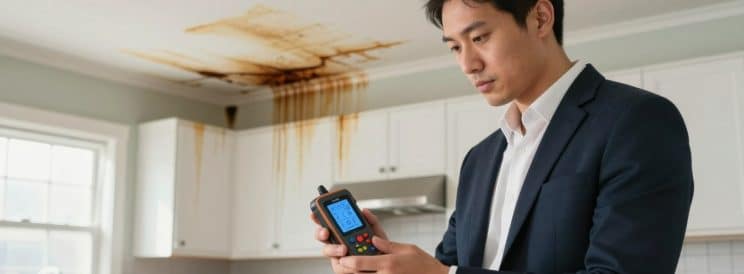
Will my homeowner’s insurance cover water leak detection? Can a single call save your home from hidden damage? We answer that exact question for Chicago homeowners and explain why the most accurate reply is often “sometimes.”
Coverage usually hinges on cause—sudden and accidental events fare better than gradual wear. Policies tend to pay for resulting water damage more than the broken pipe or diagnostic work itself, and adjusters rely on clear documentation.
We are J Sewer & Drain Plumbing Inc., a trusted, family-owned Chicago plumbing ally (est. 2017, two generations). We provide timely, professional diagnostics, and caring service to homeowners and property managers.
What you can do now: protect your home, stop the flow if safe, and begin documenting photos and dates. Time and evidence matter when filing a claim.
For urgent situations, call (773) 968-2704 or email jsewerdrainplumbing@gmail.com. We serve Chicago, IL and nearby areas, Monday–Saturday with 24-hour availability. Offices: 3343 N Monticello Ave, 3017 N Elston Ave, Chicago, IL; 809 Ridge Rd, Wilmette, IL.
Key Takeaways
- Coverage depends on the cause: sudden accidental events are more likely to be covered.
- Policies often pay for water damage, not always for diagnostics or access work.
- Document damage quickly—photos, dates, and a plumber report strengthen your claim.
- J Sewer & Drain Plumbing Inc. offers clear reports and fast response across Chicago.
- Contact us at (773) 968-2704 or jsewerdrainplumbing@gmail.com for urgent help.
Will my homeowner’s insurance cover water leak detection?
Whether costs get paid often comes down to precise policy language and the event timeline. We explain plainly: your coverage can treat the search for a hidden source as a reimbursable expense, a limited trace-and-access item, or an out-of-pocket diagnostic.
Leak locating versus repairs
Leak locating is the process of finding the source behind walls or under floors. It is different from repairing the damaged building materials and from fixing the plumbing itself.
What “sudden and accidental” means
Insurers often approve work when a pipe bursts overnight or an appliance hose fails immediately. They commonly deny claims tied to long-term seepage, corrosion, or lack of maintenance.
- Policy wording decides outcomes; read endorsements and exclusions.
- Document events quickly—photos and timestamps help prove onset time.
- Expect many policies to pay for repairs to home structure, not the plumbing replacement cost.
These basics set the stage for real examples later, so you can spot which situations match your issue and prepare supporting evidence for a smoother claim.
When homeowners insurance typically covers leak detection and water damage
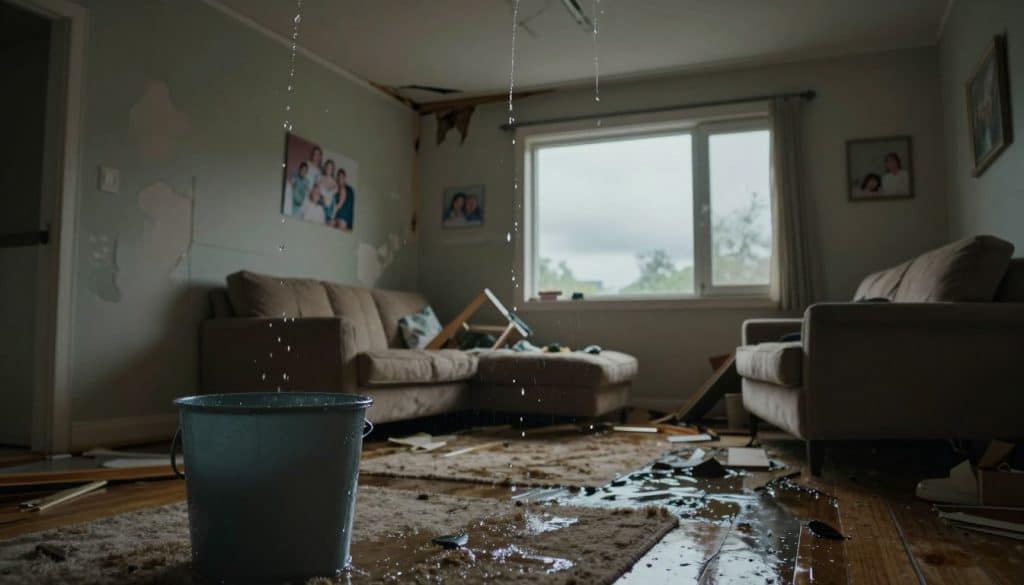
Rapid failures—like a burst pipe or a ruptured appliance hose—are the scenarios most likely to prompt a payout. Insurers favor events that happen suddenly and cause clear harm to the dwelling and belongings.
- Burst or pressure-related pipe failures: sudden ruptures that flood walls, ceilings, or floors.
- Frozen pipe breaks: abrupt splits in cold months when homeowners took reasonable steps to protect plumbing.
- Appliance and hose failures: immediate ruptures from washers, dishwashers, or water heaters.
- Covered perils involving plumbing: incidents tied to fire suppression or vandalism where plumbing is part of a broader loss.
Document quickly: photos, timestamps, receipts, and a plumber report help support a claim and speed a fair decision.
When coverage is usually denied for leaks and plumbing issues
Insurers often deny claims when damage grew unnoticed over months, rather than arriving in a single sudden event. Gradual seepage, corrosion, and pinhole failures are usually treated as routine maintenance. That means an insurance company may decline payment for resulting repairs.
Gradual deterioration and wear
Slow failures—corrosion, pinhole leaks, and long-term wear tear—are the biggest denial category. These issues develop quietly and are commonly excluded in many policies.
Neglect, delays, and maintenance records
Delayed reporting and clear neglect hurt the claims process. Adjusters look for prompt action; lack of maintenance documentation lowers the chance of approval.
- Useful records: service invoices, recent repairs, and dated photos.
- Act fast: document discovery times and mitigation steps.
- Not a guarantee: paperwork helps, but does not ensure coverage.
Improper installation and unlicensed work
If an adjuster traces failure to poor workmanship or unlicensed installation, an insurance company may limit or deny payment. Licensed repairs and clear invoices reduce disputes.
Mold and mildew: the limits
Mold tied to a sudden, covered event may be considered for damage remediation. Mold that grows from long-term neglect is usually excluded or capped. We recommend stopping moisture sources and documenting everything so the adjuster can review the timeline.
Understanding “trace and access” coverage for hidden leaks in walls, floors, and slabs
Trace-and-access is the part of your policy that may help pay to find and reach a concealed pipe problem. It covers diagnostic testing and the work to open walls, floors, or slab areas so a plumber can access the source.
What trace-and-access can pay for
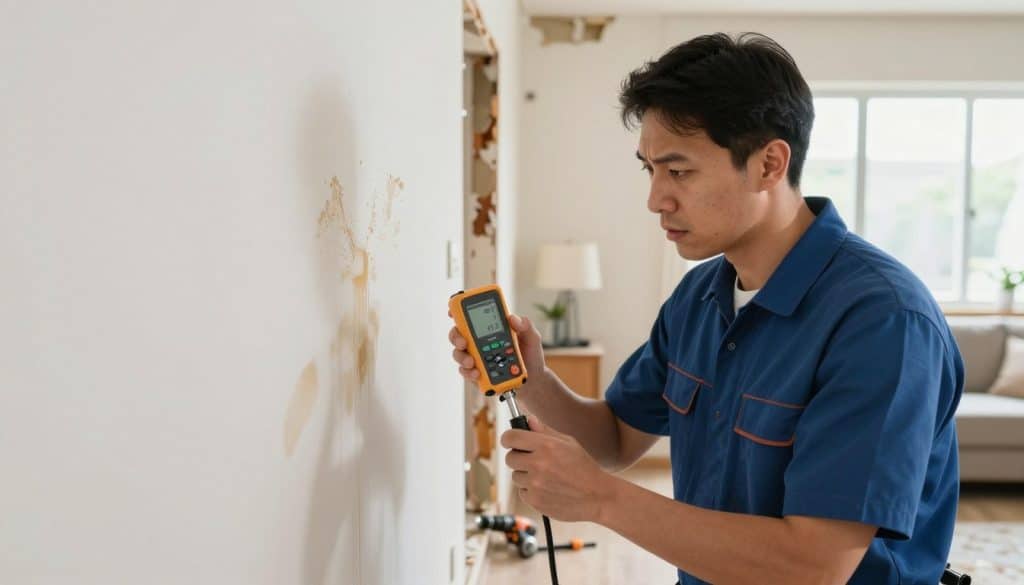
Typical items include thermal scans, acoustic locating, borescope checks, and the demolition materials needed to reach the issue. Professionals document methods and results to support claims.
Limits, deductibles, and cosmetic rules
Most insurance policies apply sub-limits and your deductible to trace-and-access costs. Some policies pay to open materials but cap or exclude cosmetic repairs when restoration is required.
Documentation and approved methods
- Keep receipts for testing and any temporary repairs.
- Take photos before and after openings.
- Get a written report that names the likely cause, method used, and location in walls or floors.
We help homeowners with careful access, clear reports, and communication with the adjuster so the claim process stays organized and focused on repairs that protect your home.
What insurance usually pays for vs. what you may pay out of pocket
A clear split often exists: claims typically pay to remove moisture and restore damaged rooms, while the faulty plumbing part may remain your expense.
Restoration, drying, and repairs to damaged areas
Policies commonly reimburse professional drying, dehumidification, and restoration of ruined drywall, flooring, and personal items when the loss stems from a sudden event.
Document everything — photos, receipts, and remediation invoices help the adjuster see the scope and speed of your response.
Fixing the pipe versus access and temporary work
Insurers often deny payment for replacing the failed pipe itself. They do, however, frequently approve costs tied to accessing the problem and stopping further damage.
Temporary mitigation — shutting off the water supply, capping a line, or controlled drying — is usually viewed favorably when reasonable and documented.
Cost factors that change the final payout
- Location: behind walls or under slabs costs more to access.
- Spread: how far the damage traveled affects restoration scope.
- Materials: specialized flooring or finishes raise repair costs.
- Documentation: licensed plumber reports and dated invoices speed decisions.
We recommend hiring a licensed plumber to prove cause and onset. That documentation improves your coverage discussion and helps protect both your home and budget.
How to file a water leak claim and improve your chances with the adjuster
We know the first hours after discovery are critical. A calm, methodical response makes the claims process smoother and lowers the chance of disputes with an adjuster.
Stop the source and mitigate damage fast. Shut off supply if safe, remove standing moisture, and begin drying. These steps show reasonable action and limit secondary damage.
Document everything with clear evidence
Take wide-angle and close-up photos, record video with timestamps, and write a short timeline of discovery and actions. Keep receipts for cleanup, rentals, and any temporary repairs.
Obtain a licensed plumber report that supports cause and onset
A written diagnostic from a licensed plumber helps the adjuster judge whether the event was sudden or due to wear tear or neglect. The report should name the failed component, location, and likely cause.

Working with the adjuster and handling disputes
When the adjuster visits, present documentation calmly: photos, plumber report, invoices, and the timeline. If a disagreement arises about maintenance or gradual wear, request a written explanation from the insurance company.
- Stop source, mitigate, document.
- Notify insurer promptly and file a claim.
- Get a licensed plumber report and meet the adjuster.
- Keep all receipts and request written decisions for disputes.
We help clients prepare clear reports and meet adjusters so your claim has the best chance. Prompt action, solid documentation, and professional diagnostics protect your home and speed fair outcomes.
Optional endorsements and policy add-ons that matter in Chicago-area homes
In Chicago, certain policy add‑ons can prevent costly surprises after a plumbing system or sump pump failure. Older houses, basements, and shared‑wall units create risks a standard policy may not address.
Water backup coverage for sewer or sump pump incidents
Backup protection pays for damage when a sewer or sump pump fails. Many standard policies exclude this peril unless you add the endorsement.
Consider this if you have a finished basement or frequent heavy storms.
Service line and mechanical breakdown options
Service line protection helps when buried supply lines or external plumbing fail. Mechanical breakdown coverage assists with major appliance and system failures.
Both options reduce surprise out‑of‑pocket repairs and speed repairs when buried or hard‑to‑access components act up.
Liability for shared walls and neighbor impacts
Liability limits matter when damage extends into a neighbor’s unit or a shared wall. Your policy can respond to their losses and related claims.
- Review endorsements annually as home age, renovations, or plumbing updates change risk.
- Match add‑ons to your basement use, sump pump presence, and service line condition.
- Keep service records and a licensed plumber’s report to support any future claim.
We recommend discussing options with your agent and keeping records. The right endorsements can protect your home, finances, and neighbors when damage occurs.
Conclusion
Simple steps taken fast can limit damage, reduce mold risk, and strengthen your case with the claims adjuster.
Insurance outcomes depend on cause, timing, and documentation. Sudden events with quick mitigation tend to get better results. Gradual problems, wear, and neglect usually lead to denials.
Trace-and-access help may reduce out-of-pocket costs for locating hidden issues, but limits, deductibles, and policy wording affect final costs. Focus on photos, a licensed plumber report, and prompt action to improve a claim.
We are J Sewer & Drain Plumbing Inc., a family-owned team serving Chicago and nearby areas, with 24-hour availability Monday–Saturday. Call (773) 968-2704 or email jsewerdrainplumbing@gmail.com.
Offices: 3343 N Monticello Ave, Chicago, IL 60618; 3017 N Elston Ave, Chicago, IL 60618; 809 Ridge Rd, Wilmette, IL 60091. We protect your home—call us and move from uncertainty to a clear plan.