

Curious how a small device can save your home from big headaches? What types of plumbing issues can a drain camera inspection identify?
We use a fiber-optic camera inspection to give a live view inside your sewer and drain lines. This non-invasive method shows blockages, cracks, roots, and spots where leaks or damage begin, without tearing up floors or yards.
We explain this test in plain terms and why it is one of the clearest ways to learn what’s happening in your pipes. Homeowners trust it to stop sewage backups, cut down on guesswork, and avoid unnecessary repairs.
We are J Sewer & Drain Plumbing Inc., a family-owned, two-generation company in Chicago since 2017. We treat every customer like family and give clear, caring answers. Our team is available Monday to Saturday, 24 hrs open, serving Chicago and nearby areas. Call (773) 231-8869 or email [email protected] when you notice slow drains, recurring backups, or sewage odors. We’ll help you choose the right next step, often pinpointing the exact spot that needs repair.
Key Takeaways
- Camera inspections deliver a live look inside pipes without demolition.
- They locate blockages, roots, cracks, and early leaks to prevent bigger damage.
- J Sewer & Drain Plumbing Inc. is family-owned, Chicago-based, and treats you like family.
- Call when you have backups, slow drains, or sewage smells for fast help.
- We offer clear results so you can pick the most targeted, cost-effective fix.
What types of plumbing issues can a drain camera inspection identify?
Seeing inside your pipes with live video removes guesswork and points straight to the problem. We use that footage to show you exactly what a sewer line faces, so repairs focus on the real fault—not on guesswork that costs time and money.
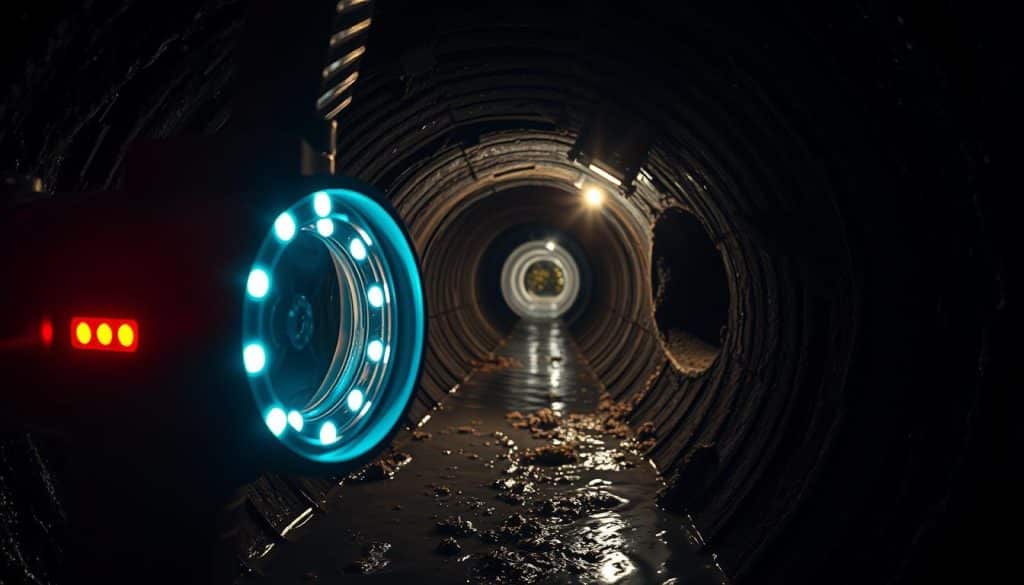
Common problems we find
- Tree root intrusion: Roots seek moisture, slip into tiny cracks, then grow inside the line. The camera shows the exact root location so we clear and plan repairs precisely.
- Clogs and blockages: Grease coatings, debris buildup, and foreign objects appear on video. Backups at multiple fixtures usually point to a main line issue, not one single trap.
- Cracks, breaks, collapsed sections: Fractures, separated joints, and partial collapses are visible. That lets us decide whether spot repair or replacement is best.
- Pipe corrosion and deterioration: Scaling, flaking, and narrowing in older metal pipes limit flow and raise future damage risk; the camera documents severity for budgeting repairs.
Other issues a camera highlights
- Bellied or misaligned lines: Low spots hold water and cause slow drains; live video verifies pooling zones for targeted fixes.
- Poor installation or bad connections: Improper slope or loose seals show up clearly, explaining chronic clogs even after snaking.
- Mineral buildup: Deposits that reduce flow are visible so we can pick the right cleaning method for lasting results.
We serve Chicago homes and multi-unit properties with clear, family-first service. A camera inspection helps us match the repair to the exact problem, keeping costs honest and fixes long-lasting.
How a sewer camera inspection works and what plumbers look for
A compact, high-resolution camera lets us map conditions in your sewer lines without digging. We feed a waterproof camera on a flexible cable through your cleanout or an accessible drain opening. The live video appears on a monitor so we see the pipe interior in real time.
Our plumbers use bright lighting and quality lenses to reveal narrowing, root intrusion, joint offsets, and areas where water pools. A small transmitter on the cable helps us trace the exact spot above ground for targeted repairs.
- Non-invasive diagnosis: No digging in most cases, which saves time and limits disruption to yards or hardscapes.
- Real-time decisions: Video lets us choose the right remedy—hydro-jetting, spot repair, or full replacement—based on what’s inside the line.
- Accurate locating: Transmitters mark depth and position so excavation, if needed, is minimal and precise.
Most inspections take about 1–2 hours. Time can rise if lines are long, access is tight, multiple lines need checks, or a severe blockage slows progress. We aim to keep the process efficient and clear so you get reliable results and next steps.
We’re available Monday–Saturday, 24 hrs Open, ready to help Chicago homeowners and property managers get quick answers and restore reliable water flow.
Warning signs you may need a drain or sewer line camera inspection
When water slows or multiple fixtures back up, it’s time to look deeper. Recurring backups, repeated clogs, and slow drains often point to trouble in the main sewer line rather than a single trap.
Recurring backups, slow drains, and multi-fixture problems
If a tub and sink back up together, that pattern usually signals a main line blockage. Repeated temporary clears will not fix tree roots, bellies, or joint offsets hidden inside pipes.
Unpleasant odors and suspected sewage problems
Sewage smells or persistent odors mean there may be standing water, cracks, or trapped waste that lets gas escape. A camera inspection helps confirm whether blockages or cracks are causing the smell without needless digging.
- Seasonal root activity: Tree roots grow into small cracks, causing recurring symptoms.
- Property risk: Untreated blockages and leaks can lead to water damage in basements and low areas.
- Call quickly: If you see sewage backups, frequent overflows, or repeated stoppages, contact our plumber right away. We respond Monday–Saturday, 24 hrs Open, and prioritize the least disruptive, targeted repair to protect your home.
What a camera inspection can’t confirm by itself
Even with sharp video, some problems need extra tests before we recommend major repairs. A camera gives an inside view, but it cannot prove that water is escaping outside the pipe wall.
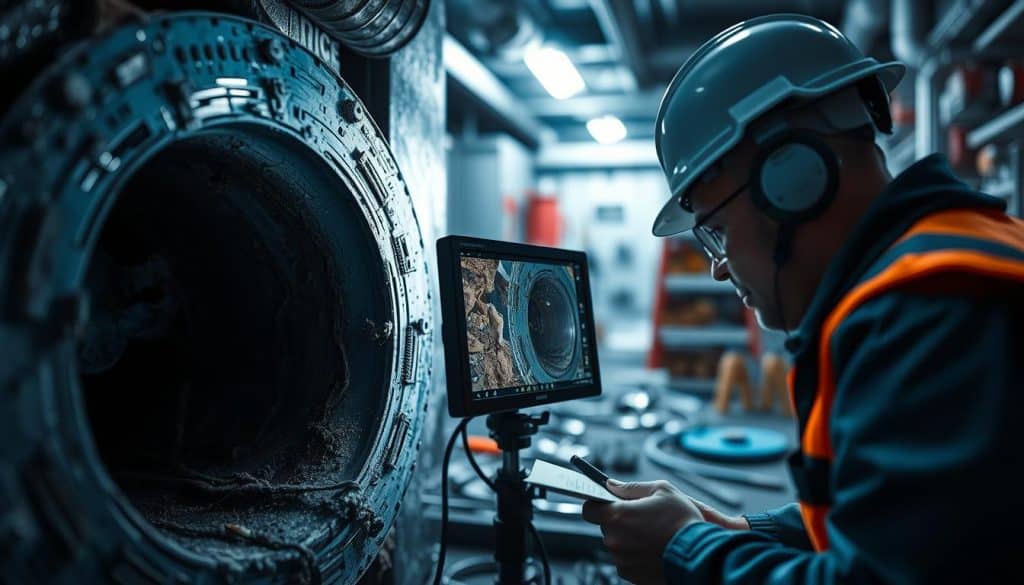
Why a sewer camera alone can’t locate leaks with certainty
The camera shows interior conditions, not the area around the pipe. Buildup like grease, mineral scale, or soap scum can look like cracks or holes on screen. Thick-walled materials also create visual ambiguity.
When additional testing may be needed to avoid unnecessary repairs
- We may add dye tests or pressure checks when symptoms suggest hidden water loss.
- Ground-sensing locating or moisture meters help confirm active leaks before excavation.
- In many cases, the camera already excels at finding blockages and flow problems so we can act quickly and protect your property.
We’ll explain our findings clearly and recommend only the next diagnostic steps that protect your budget and peace of mind. Our goal is to solve the real problem, not sell work you don’t need.
After the video inspection: how to use the results to plan repairs
The video report gives us a roadmap to protect your property with targeted, cost‑effective repairs.
We separate urgent findings from items you can monitor. Urgent work includes collapsed sections, severe blockages, or active leaks. Minor cracks, small bellies, or surface corrosion may be scheduled or observed.
Matching fixes to what we see
- Root removal & cleaning: Hydro‑jetting clears root mass and buildup before we decide on lining or replacement.
- Spot repair or lining: Small cracks and joint offsets often suit trenchless lining to avoid heavy digging.
- Replacement: Severely damaged or collapsed pipe calls for full replacement for long‑term protection.
Preventive steps to lower future risk
We recommend routine cleanings, avoiding grease down drains, and scheduled camera checks for older systems. For tree roots, periodic root cutting and targeted treatments help, but repeat intrusion may need a longer‑term fix.
Planning and documentation
- We document video findings and proposed repairs so you can compare results over time.
- We explain trenchless vs. spot vs. full replacement to match the goal: protect your home and minimize disruption.
Call us Monday–Saturday, 24 hrs Open. We’ll walk you through repair choices and next steps for your sewer line, with clear costs and care for your property.

Conclusion
A clear video of your sewer line gives fast, practical answers so you can act with confidence. A non-invasive camera inspection pinpoints blockages, roots, cracks and other problems inside pipes so repairs match the real need.
Remember: cameras excel at showing structural conditions, but confirming active leaks may require extra tests to avoid unnecessary work. Early diagnosis helps stop small issues from turning into major damage to your property or sewer system.
If you have slow drains, recurring backups, or ongoing line concerns, contact J Sewer & Drain Plumbing Inc. Call (773) 231-8869 or email [email protected]. We serve Chicago, IL and nearby areas, Monday–Saturday (24 hrs Open). Family-owned since 2017, two generations strong.
Locations: 3343 N Monticello Ave, 3017 N Elston Ave, Chicago, IL; 809 Ridge Rd, Wilmette, IL.
FAQ
What problems will a sewer-line camera catch for my home?
A video inspection shows root intrusion, grease and debris clogs, mineral buildup, and foreign objects inside lines. We also spot corrosion, cracks, collapsed sections, and joint separation that lead to backups or slow drains in Chicago homes.
How does tree root intrusion appear on camera?
Roots look like dark, fibrous growths penetrating joints or cracking pipes. Our team uses the live feed to judge severity and whether roots only narrow the flow or have fully breached the pipe wall.
Can the camera find clogs from grease, hair, or other debris?
Yes. The camera identifies partial or total blockages caused by grease, soap scum, hair mats, and foreign objects. We can tell if a clog is soft and removable or hard and packed, which guides our cleaning method.
Will the inspection reveal cracks, breaks, or collapsed pipe segments?
Absolutely. Cracks, fractures, offsets, and collapsed runs appear clearly on video. We note the exact location and length of damage so you know whether spot repair, relining, or replacement is necessary.
Can cameras detect pipe corrosion and material deterioration?
The camera highlights thinning walls, pitting, and flaking inside older cast iron, clay, or metal pipes. That visual evidence helps us recommend timely fixes before leaks or failures worsen.
What do bellied or sagging sections look like on video?
Bellies show pooled water and low spots where debris collects. The feed reveals misalignments and sagging joints that slow flow and cause recurring clogs, so we can point to problem stretches precisely.
How are poor installation or connection issues identified?
Misaligned joints, improper pipe slopes, and loose fittings are visible as offsets or gaps. The camera lets us see defective materials and installations that require correction to stop chronic backups.
Can the inspection measure mineral buildup and flow restriction?
Yes. Scale and mineral deposits appear as narrowed interiors and rough surfaces. We assess how much they restrict flow and whether hydro-jetting or mechanical cleaning will restore capacity.
How does the camera travel through the line and find the trouble spot?
We feed a flexible push-rod from a cleanout or drain, advancing a waterproof camera while watching live video. A locating transmitter lets us map the exact depth and lateral position for targeted repairs.
What tools do plumbers use during the live inspection?
The system combines high-intensity lighting, HD or SD video, and a sonde transmitter. Together these tools give clear imagery and accurate underground locating for repair planning.
How long does a typical sewer video inspection take?
Most inspections finish in 30–90 minutes, depending on line length, access, and how much cleaning is needed before clear imaging is possible. Complex or heavily clogged lines take longer.
What household signs say it’s time for a camera check?
Recurring backups, slow drains across multiple fixtures, gurgling toilets, wet spots in the yard, or persistent sewer odors all indicate a camera inspection is wise to pinpoint the source.
Can the camera alone confirm underground leaks?
Not always. While the feed may show cracks or holes, small external leaks or groundwater infiltration sometimes require pressure testing, dye tests, or smoke testing for certainty before major work begins.
When will additional testing be necessary after video inspection?
If the video shows ambiguous damage, hidden voids, or suspected leaks beyond the pipe wall, we recommend follow-up tests to avoid unnecessary excavation and to choose the right repair method.
How do we use the inspection results to plan repairs?
We rate severity, mark locations, and present options—spot repairs, trenchless lining, or full replacement. That information helps prioritize fixes by urgency and budget.
What targeted repair choices follow a camera diagnosis?
For root cutting or routine clogs, we use mechanical cutters or hydro-jetting. For cracks or separated joints, trenchless relining or localized replacement may suit. Collapsed runs typically require full replacement.
What preventive steps reduce future backups after inspection?
Regular hydro-jetting, root control treatments, proper waste disposal, and scheduled camera checks keep lines clear. We tailor maintenance plans for Chicago properties to prevent repeat problems.
When should we choose trenchless relining versus spot repair or full replacement?
Trenchless relining works for long cracks, root-intruded sections, or deteriorated pipes that retain structural continuity. Spot repair fits localized damage. Full replacement is best for collapsed, badly offset, or severely corroded systems.