
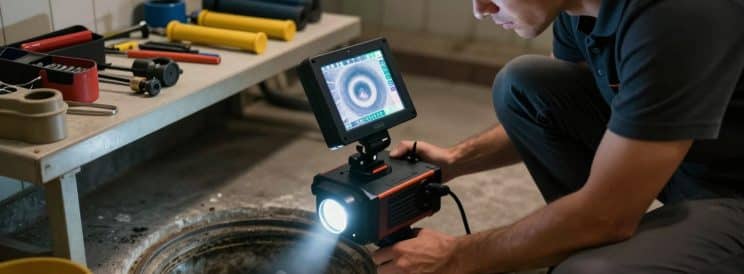
Curious if a quick prep can save time and reveal the real problem inside your pipes? What should I do to prepare for a drain camera inspection?
We welcome you to J Sewer & Drain Plumbing Inc., a family-owned team in Chicago, IL. Since 2017 we treat every customer like family and give clear, honest guidance.
In this short guide we explain what preparing means: opening access, limiting water use, and sharing site details. A sewer camera runs on a push-rod with LEDs, shows live video, and may record a locating sonde. Simple prep improves visibility and speeds diagnosis.
We promise practical steps you can do the same day without special tools, and we’ll protect your property while documenting the system with photos or video. Even if you do not know the cleanout location, we’ll guide you through next steps and set clear expectations.
Call (773) 231-8869 or email [email protected] to schedule and feel confident in your home.
Key Takeaways
- Clear access and reduced water use help the sewer camera work best.
- Prep saves time and produces better video and photos for diagnosis.
- Our team communicates findings and recommends options that fit your budget.
- Most steps are simple and can be done the same day without tools.
- We serve Chicago and nearby areas, open Monday–Saturday with rapid support.
What a drain and sewer camera inspection is and why it’s worth doing
A visual pipe exam uses a waterproof video head and live monitor to show exactly what’s inside your sewer line. This method is non-destructive, so we rarely dig or disturb landscaping just to find a problem.
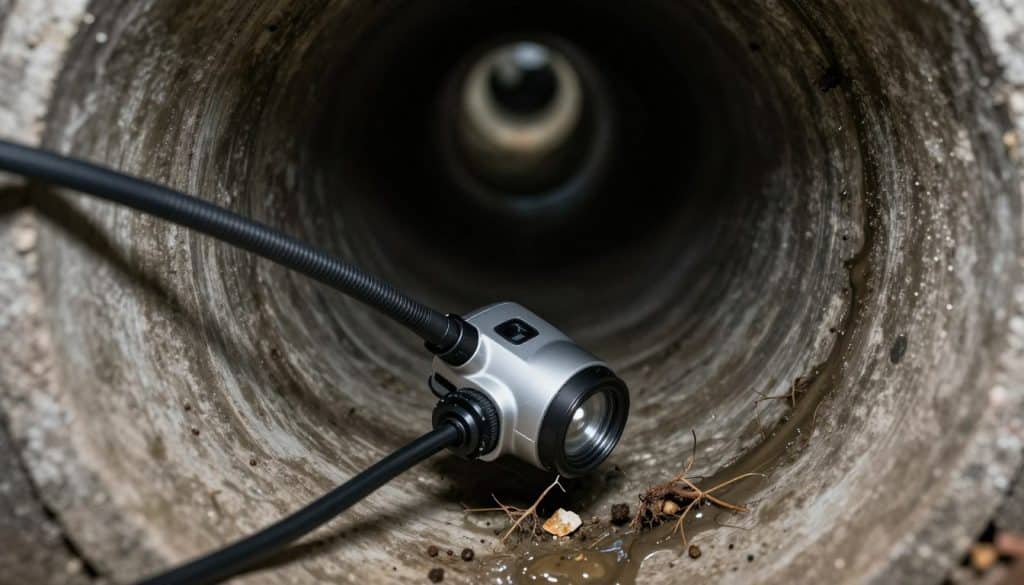
What the system looks for
- Cracks, offsets, and broken joints that threaten pipe integrity.
- Root intrusions and grease or scale that restrict flow.
- Debris, collapsed sections, and locations of recurring blockages.
How seeing the line helps prevent costly repairs
By viewing the issue directly, we cut out guesswork. Technicians focus on the real source, which reduces repeat visits and unneeded repairs. Early detection of roots or small cracks often means a targeted repair instead of full replacement.
- Recurring slow drains, frequent backups, or gurgling sounds.
- Before buying, remodeling, or planning major plumbing work.
- After repeated cleanings when the source remains unclear.
We document findings with video, photos, and clear notes so you can see what we see. Then we recommend maintenance, cleaning, or repair based on actual footage, not a best guess.
What should I do to prepare for a drain camera inspection?
Little actions around the cleanout and utility spaces help our technicians capture clear video and find issues sooner. We focus on simple, family-friendly steps that save time and protect your home.
Clear access and entry points
Locate the sewer cleanout, often outside near the foundation or in a basement utility area. Remove plants, furniture, or debris so the entry point is reachable immediately.
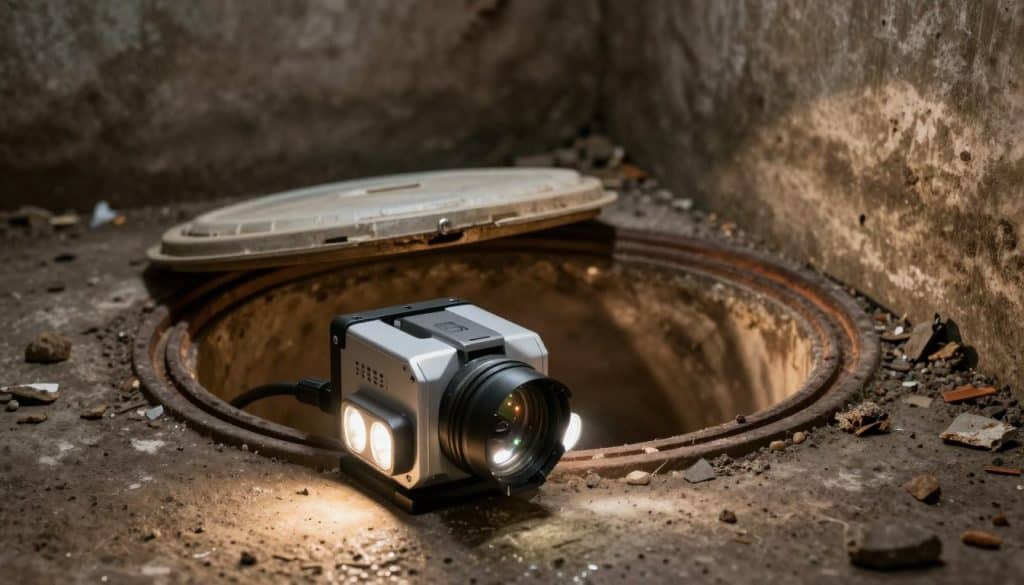
Make room indoors
Create safe working space in basements, crawlspaces, and utility rooms. Move stored items and give our technicians a direct route to the access point.
Limit heavy water use
Reduce sinks, showers, toilets, and laundry about an hour before arrival. When the line is less full of water, the pipe camera captures clearer video and we find the problem faster.
Share useful information
- When symptoms started and how often they occur.
- Which fixtures show slow drainage or backups.
- Any recent repairs, remodeling, or repeated issues.
Day-of checklist
Secure pets, clear a parking spot near the entrance, and keep the route to the cleanout open. If you aren’t sure where the cleanout is, tell our team—
we’ll still work with you and adapt our process to your home.
Do you need drain cleaning before a pipe camera inspection?
Sometimes clearing buildup ahead of the scan gives us a clearer picture of the real problem. We’ll explain when cleaning helps the inspection and when it adds costs without benefit.
When grease, scale, or debris can block the camera head’s view
Grease and mineral scale can coat pipe walls and blur the image. Thick buildup or stuck debris may hide cracks, offsets, or roots, and that limits what the camera can record.
In those cases, limited cleaning will often remove enough material to improve the camera’s view and let us spot hidden damage.
Why a camera is not a cleaning tool for blockages
The camera is a diagnostic tool, not a cleaning tool. Forcing the head through heavy blockages risks damage and still won’t show what’s behind the obstruction.
- We don’t always begin with cleaning; sometimes inspection first reveals the best next step.
- When backups are frequent or flow is poor, we recommend cleaning before re-inspecting.
- Clearer footage helps us recommend accurate repairs or maintenance without guesswork.
Safety and site conditions to check before the plumbing team arrives
A quick site check helps protect your home and keeps the visit on schedule. Good conditions let our crew focus on the job, not on hazards.
Remove trip hazards, address slippery surfaces, and improve lighting
Clear loose rugs, cords, and clutter near the work area so equipment and hoses can move without obstruction.
Wipe up spills and mark slippery spots. Better lighting lets us handle the camera and other equipment safely and saves time.
Keep the work area clear of exposed wires and stored items
Move boxes and stored parts away from the cleanout and pipe runs. Exposed wiring or piled items add risk and slow the process.
We’ll offer a brief safety walkthrough when we arrive. This takes only minutes and reduces interruptions while technicians set up system equipment.
- Quick checklist: remove trip hazards, improve lighting, clear stored items.
- Open access paths protect your property and let us lay cables and hoses neatly.
- When conditions require it, we’ll communicate any extra space or parts we need to finish safely.
What to expect during the sewer line camera inspection process
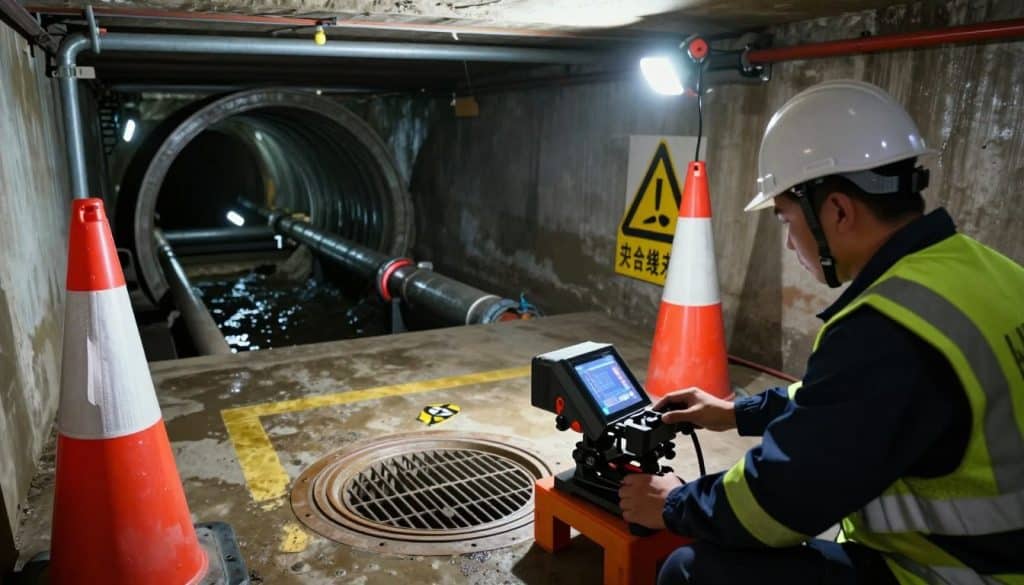
Expect a clear, guided walkthrough from equipment setup to final recommendations, with live footage on a monitor. We explain each step so you feel involved and informed while our crew works.
Equipment setup and feeding the cable
We prepare waterproof equipment with bright LEDs and mount the monitor near the access point. Then we confirm the best entry and feed the cable and head steadily through the line.
We never force the head past hard obstructions; this protects the tool and your pipes and keeps the process safe.
Documenting findings
Technicians record continuous video, capture photos, and add clear notes about each issue we find on the monitor. Good documentation supports future maintenance and any repair decisions.
Locating and interpreting results
When needed, we use a sonde and locator to mark the problem’s position and depth above ground. This helps plan targeted repairs with minimal digging.
Common findings include cracks, root intrusion, offsets, and general pipe condition. We explain which items need urgent repair and which can be managed with routine maintenance.
Next steps and proof-after work
After the inspection we recommend targeted cleaning, maintenance, or repairs based on the findings. When work is done, we can run a proof-after video so you see the cleared line on the monitor and in recordings.
- Transparent process: setup, cable feed, live video, notes.
- Accurate location: sonde + locator for depth and placement.
- Clear outcomes: documented findings guide maintenance or repairs.
Scheduling a camera inspection in Chicago, IL with J Sewer & Drain Plumbing
We make arranging a camera-based line check easy, with clear steps for sharing access and symptoms ahead of service. Call or email and we’ll confirm a window that fits your building schedule and tenant needs.
Service area and business hours
We serve Chicago, IL and nearby areas with fast, local response. Our team is available Monday to Saturday, 24 hrs open, so you can request times that work around your day.
Chicago and Wilmette office locations
- Chicago Office: 3343 N Monticello Ave, Chicago, IL 60618
- Wilmette Office: 809 Ridge Rd, Wilmette, IL 60091
- New Location: 3017 N Elston Ave, Chicago, IL 60618
We combine professional workmanship with a caring, family-first approach. Expect clear communication, upfront expectations, and careful in-home work so you can feel confident and worry-free with the results.
Contact details for booking and sending information ahead
Phone: (773) 231-8869. Email: [email protected].
When you contact us, please include your address, best on-site contact, parking notes, access instructions, and a short description of sewer or drain symptoms like slow drains, gurgling, or recurring backups.
Why sharing details helps
Providing this information speeds setup, improves results, and helps our technicians bring the right parts and system tools. Well-documented inspections also support planning and budgeting when multiple parts of a property are involved.
We’re family-owned, two generations strong, and established in 2017. At J Sewer & Drain Plumbing Inc., we treat every customer like family and show up with the professionalism your property deserves.
Conclusion
A few small actions at home make the whole process faster and more accurate.
Clear access to the cleanout, reduced heavy water use just before arrival, and sharing symptoms and timing let us focus quickly and respect your time. These steps give a better view inside the sewer and help our team work efficiently.
Remember, the camera is a diagnostic tool, not a cleaning tool; when buildup blocks visibility, targeted cleaning may come first so we can find the real problem.
We guide each step, document findings, and recommend safe next steps. Call (773) 231-8869 or email [email protected] to schedule service in Chicago, IL and nearby areas. We’re family-owned, and we treat your home like our own.
FAQ
What is a sewer camera inspection and why is it worth doing?
A sewer camera inspection uses a waterproof camera head on a flexible cable to view the inside of your pipes. We look for cracks, roots, offsets, blockages, and overall pipe condition. Video helps pinpoint problems precisely, reducing guesswork and preventing costly, unneeded excavation.
What does a sewer camera look for inside my pipes?
The camera identifies roots, grease and scale build-up, collapsed sections, joint offsets, bellies, fractures, and foreign objects. We also assess material type, pipe diameter, and remaining service life to recommend repairs or maintenance.
How does a camera inspection help prevent costly repairs?
Video evidence lets us target repairs only where needed, choose trenchless options when possible, and catch small issues before they worsen. That lowers labor, restoration, and disruption costs compared with blind digging or reactive fixes.
When is an inspection most commonly needed?
Typical triggers include recurring backups, slow drains, sewage odors, multiple fixtures affected, construction or remodeling near lines, or properties over 20–30 years old. Inspections also help before buying a home or after heavy root intrusion.
How can I make the sewer cleanout and access points ready?
Clear the area around the outside cleanout and any indoor entry points. Remove furniture or stored items, and make sure cleanout covers are accessible. If covers are corroded or stuck, tell us ahead of time so we bring the right tools.
What indoor prep helps in basements, crawlspaces, or utility areas?
Create a clear work zone around water heaters, laundry tubs, and junctions. Move boxes and rugs, ensure stable footing, and provide lighting if possible. That helps our technicians set up safely and finish faster.
Should I limit water use before the inspection?
Yes. Avoid laundry, dishwashing, and showering for a few hours before the appointment. Lower flows produce clearer video and help us locate and diagnose blockages more accurately.
What information should I share with the technicians beforehand?
Tell us when symptoms started, what fixtures are affected, any recent repairs or remodeling, and if you’ve had recurring backups. Photos, videos, or prior inspection reports are helpful when available.
Do recent repairs or remodeling matter for the inspection?
Absolutely. New excavations, replaced fixtures, or altered landscaping can change pipe routes or create weak spots. Pointing out those areas speeds diagnosis and avoids surprises during the inspection.
How should I handle pets and technician access?
Secure pets in a separate room or off-site to ensure safety. Reserve a clear parking spot near the access point and provide gate codes or entry instructions so the crew can arrive and work efficiently.
Is drain cleaning required before a pipe camera inspection?
Not always, but heavy grease, sludge, or debris can block the camera head’s view. We may recommend a light cleaning or hydro-jetting first so the camera can capture usable footage and an accurate diagnosis.
Why isn’t the camera used as a cleaning tool?
The camera is a diagnostic device designed to observe and document conditions. It cannot remove large blockages. Cleaning equipment—like augers or hydro-jetters—clears obstructions, then we re-inspect to confirm results.
What safety and site conditions should I check before arrival?
Remove trip hazards, clear slippery surfaces, and improve lighting where possible. Keep the work area free of exposed electrical cords or stored chemicals. These steps protect your family and let us work faster.
How do technicians document inspection findings?
We record high-resolution video and still photos, annotate problem locations, and take notes on depth and distance from landmarks. That documentation guides repair planning and serves as proof-after-cleaning or repair completion.
How do locating tools help during the inspection?
Locators trace the camera head’s signal so we mark the defect’s distance and depth from surface points. That information is essential for accurate, minimal excavation or for planning trenchless repairs.
What kinds of results might the inspection reveal?
Common findings include root intrusion, hairline cracks, separated joints, bellied pipes where runoff collects, scale or grease buildup, and previous patch failures. Each issue has tailored repair or maintenance options.
What are the next steps after the inspection?
Based on video, we recommend maintenance, cleaning, trenchless repair, or targeted excavation. We’ll provide cost estimates, timelines, and before-and-after documentation so you can decide with full information.
How long does the inspection process take?
Most residential inspections take 30–90 minutes, depending on line length, complexity, and whether cleaning or locating is needed. We’ll give a time estimate when scheduling.
Where does J Sewer & Drain Plumbing Inc. provide camera inspections?
We serve Chicago, Wilmette, and surrounding communities. Our teams operate during standard business hours and offer emergency response when needed.
How can I book an inspection or send information ahead of time?
Contact J Sewer & Drain Plumbing Inc. by phone or email. Share photos, videos, or a brief description of symptoms so we arrive prepared. We’ll confirm arrival time, access needs, and any pre-inspection steps.