
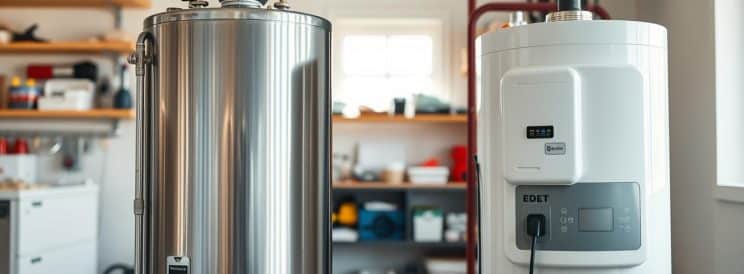
What should I consider when choosing between gas and electric water heaters?
Are you weighing options for a reliable water heater and wondering which path leads to the best comfort and value? We welcome you to J Sewer & Drain Plumbing Inc., a family-owned plumbing ally serving Chicago since 2017.
Homeowners often overlook that water heating can account for about 17–18% of household energy use. That fact alone can tip a decision toward models that match your needs for recovery time, peak demand, and running costs.
We will walk through practical factors that shape the simplest, most cost-effective choice: fuel availability, venting, and electrical capacity. We’ll also cover upfront purchase, installation scope, and long-term operating costs so your comparison goes beyond the sticker price.
Expect clear explanations of labels like UEF and ENERGY STAR, plus safety and code notes specific to Chicago. Our goal is to help you pick an option that keeps hot water flowing reliably in busy homes.
Call (773) 231-8869 or email [email protected] to schedule and feel confident in your home.
Key Takeaways
- Water heating is a major energy use; choose for efficiency and needs.
- Existing fuel and venting often guide the easiest replacement path.
- Compare upfront cost, installation needs, and long-term operating expenses.
- Look for UEF and ENERGY STAR ratings to predict real-world use.
- Prioritize safety, local code, and reliable recovery for busy households.
Gas vs. Electric Water Heaters at a Glance
Understanding how each unit creates heat helps explain differences in cost, performance, and installation. Below we summarize the core mechanics and where a heat pump fits into the electric category.
How combustion creates heat
Gas water heaters burn natural gas (methane) at a burner inside the tank or heat exchanger. Hot combustion gases exit through a flue and require proper venting to the outdoors.
This combustion process delivers fast recovery but can lose some heat up the vent. Proper venting and combustion air are essential for safe operation.
How resistance elements heat water
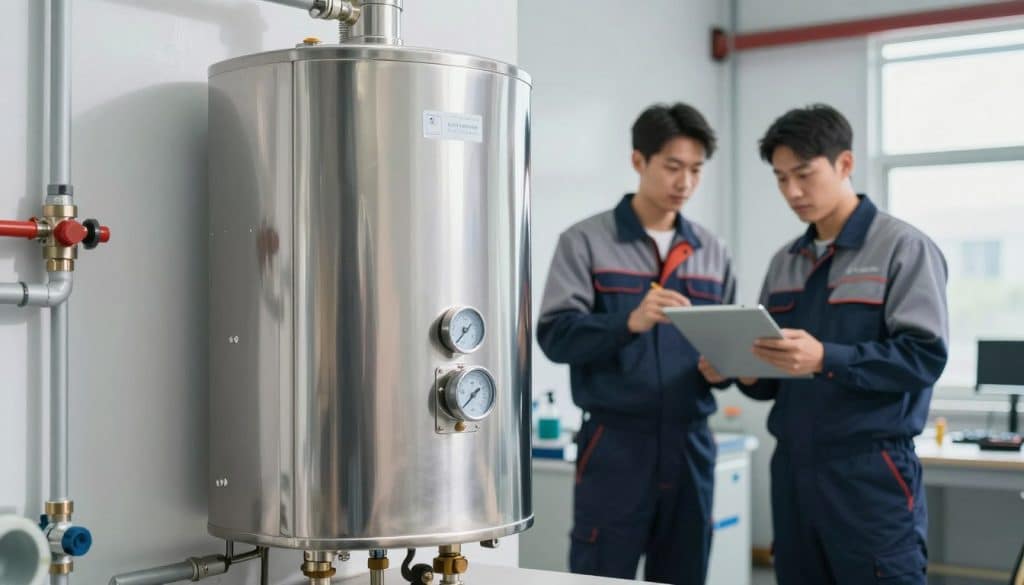
Electric water heaters use resistance elements or coils to convert electricity into heat with no open flame. That makes placement simpler, provided your home has adequate electrical service and power capacity.
Where heat pump units fit
Heat pump water heaters are an electric type that moves heat from the air into the tank. They can be roughly 2–4x more efficient than standard resistance units in favorable conditions, which often lowers monthly operating costs.
- Tank vs. tankless: both fuel types offer tank and on-demand units, affecting recovery and standby loss.
- Homeowner priorities: choose for faster recovery, lower upfront cost, or long-term efficiency.
- Safety & installation: combustion needs venting; electric needs sufficient electrical capacity.
What should I consider when choosing between gas and electric water heaters?
Begin with a quick reality check: what utilities and space does your house already provide? That inventory often narrows practical options fast and can keep costs down.
Your home’s fuel and utility availability
Note which utility lines are present, and whether adding or changing service would raise project scope. Switching fuel types usually adds time and cost.
Peak hot water needs and sizing
Match a tank’s first-hour rating to peak household routines—mornings, laundry, and dishes. Proper sizing prevents running out of hot water and reduces stress on the system.
Space, placement, and safety
Check clearances, access for service, and airflow. Some installations need venting or room for a heat pump, which limits possible locations in many homes.
Budget tradeoffs: upfront vs long-term savings
Upfront costs may be lower for less expensive units, but long-term savings often favor higher upfront investments. Decide if you value immediate affordability or monthly energy bill reductions over time.
- Inventory utilities first
- Size for first-hour demand
- Confirm safe installation space
- Balance upfront costs with lifetime savings
Upfront Costs and Installation Requirements
Installation needs and site prep often make the biggest difference in upfront costs and time. The unit price is only part of the bill; labor, permits, and modifications can change the total quickly.
Why electric installs are often simpler
Electric water heater installation usually avoids combustion venting and gas piping. That lowers labor, reduces permitting complexity, and often makes the job finished faster and less expensive.
Gas water heater work often needs a safe gas supply, proper venting, and strict code compliance. Technicians add time for flue work, leak testing, and inspections—factors that raise upfront costs and lengthen the schedule.
When switching fuel types expands scope
Converting from gas electric water to the other fuel can add major work. You may need electrical panel upgrades, a new gas line, or new vents. Permits and inspections add time, which affects project planning and final costs.
- Inventory existing utility connections before buying a unit
- Ask about permits, venting, and electrical capacity early
- Plan for professional installation to protect safety and reliability
Operating Costs, Energy Use, and Your Monthly Energy Bill
Examining operating costs helps turn technical specs into real monthly savings for your household. Hot water accounts for roughly 17–18% of home energy, so small gains in efficiency can cut bills noticeably over a year.
Local rates drive real costs
Electricity and gas prices vary by region. Higher electricity rates can erase the advantage of some electric designs, while low gas pricing favors combustion units. Check local rates to estimate true monthly cost.
Standby loss and tank systems
Tanks lose stored heat over time. That standby loss forces reheating, adding to operating costs. Tankless or on-demand systems reduce this loss by heating only as needed.
- Match size to demand — avoid oversized tanks that waste energy.
- Choose higher UEF models — they cut long-term costs.
- Adjust habits — shorter showers and efficient laundry lower energy use.
We can help you run the numbers for your home, so your choice balances upfront price with ongoing savings and reliable hot water.
Efficiency Ratings That Matter : UEF and ENERGY STAR
Efficiency labels cut through marketing noise and show how much energy each model really uses. We explain the Uniform Energy Factor so you can compare models on the same scale, not by slogan.
How to read Uniform Energy Factor (UEF)
UEF is a single number: higher equals more efficient. It measures how well a unit converts fuel or electricity into hot water during real use. Use UEF to compare similar capacities and delivery types, not unlike for‑like tank or tankless systems.
Typical efficiency ranges
- Heat pump: ~2.0–4.0 UEF — top energy savings for many homes.
- Standard electric tank: ~0.90 UEF.
- Gas tank: ~0.60–0.70 UEF.
- Tankless (gas or electric): ~0.80–0.98 UEF.
What ENERGY STAR signals
ENERGY STAR units meet strict EPA guidelines and often use 10–50% less energy than standard models. Many heat pump systems qualify, along with some high-efficiency gas and tankless models. For households with heavy hot water use, ENERGY STAR choices can cut operating costs noticeably over the lifetime of the unit.
Hot Water Performance: Recovery Time, First-Hour Delivery, and Flow Rate
Performance comes down to three things: how fast a unit recovers, how much it delivers in the first hour, and the usable flow for simultaneous fixtures.
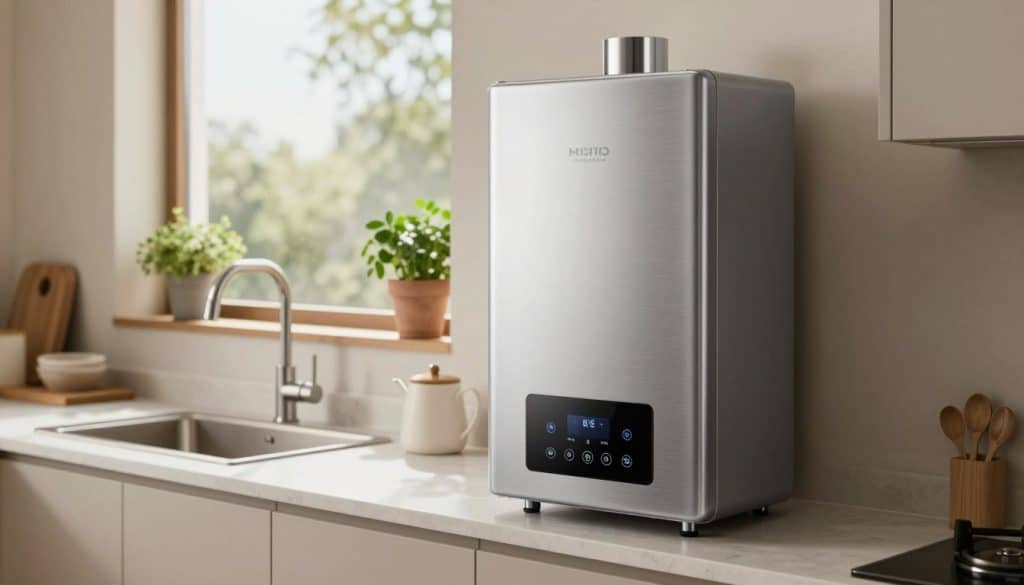
Gas water heaters and recovery speed for busy households
Gas water heaters often recover faster after heavy use, so back-to-back showers drain and refill more quickly. That makes them a strong choice for large families or tight morning schedules.
Electric water heaters and consistent heating performance
Electric water heaters provide steady temperature control. Recovery depends on element wattage and tank capacity, so larger tanks or higher-watt elements mean faster reheating.
Match first-hour needs to tank size and routines
Use the first-hour rating to match peak demand. Think through your busiest hour — showers, dishwasher, laundry — and pick a tank that meets that total, not just square footage.
How multiple showers and appliances affect tankless performance
Tankless water heater units deliver on-demand hot water, but one unit can be limited by total flow. Two showers plus dishwasher may exceed a single unit’s capacity, requiring multiple units or a hybrid setup.
- Define peak hour — list simultaneous fixtures.
- Compare first-hour ratings for tank options.
- Check usable flow for tankless models or consider parallel units.
Safety and Home Comfort Considerations
Safety matters as much as performance when a heater lives inside your home. We explain risks calmly and give clear steps to keep your household safe and comfortable.
Combustion risks: leaks, carbon monoxide, and venting
Gas appliances bring real combustion concerns. A leaking line or blocked flue can let carbon monoxide enter living spaces.
Proper venting, correct combustion air, and professional installation reduce these risks. Regular inspections and a plugged vent detector add important protection.
Electric heater safety advantages
Electric units avoid open flame risks entirely. That means no combustion byproducts and simpler placement in many homes.
Electric water heater setups still need correct wiring, proper breaker sizing, and routine checks for thermostat and element function.
- We compare safety calmly, so you know what to watch for.
- Follow code-compliant installation and schedule periodic inspections.
- Use CO detectors and maintain vents or electrical panels for long-term peace of mind.
Tank vs. Tankless Water Heaters: Gas and Electric Options
A clear comparison of tank and tankless units helps you match performance to daily routines. Below we outline practical tradeoffs so your choice fits budget, space, and demand.
Tank water heaters: familiar, simple, budget-friendly
Tanks usually cost less to buy and install, and repairs are straightforward. That makes them easy to maintain and service.
The downside is a finite supply of hot water tied to tank size. Once the tank cools, recovery time matters for back-to-back showers.
Tankless water heaters: on-demand and lower standby loss
Tankless systems heat only as needed, which cuts standby losses and can lower monthly energy use. They also save space and offer near-“endless” hot water for many homes.
Expect higher upfront costs and careful sizing to avoid flow limits when multiple fixtures run at once.
Upgrades, installation surprises, and lifespan
Tankless units can trigger electrical panel work or a larger gas line for proper operation. Plan for those installation items early to avoid surprises.
Lifespan is often longer for tankless systems—typically 15–20 years—because many parts are replaceable. Storage tanks commonly last around 10–15 years.
- Real questions: Will you run out of hot water or pay more to avoid it?
- Budget: tank = lower upfront costs; tankless = higher upfront, possible long-term savings.
- Installation: check for panel or gas upgrades before you buy a unit.
Get Help Choosing and Installing the Right Water Heater in Chicago
Choosing the right heater is simpler with a local crew that knows Chicago homes. We pair clear recommendations with hands-on installation experience to limit surprises and keep projects on budget.
Why homeowners in Chicago, IL choose J Sewer & Drain Plumbing Inc.
Family-owned since 2017, we are a two-generation team that treats every customer like family. Plumbing is our passion, and we guide your decision toward durable, efficient solutions.
Service area and availability for water heater installation and replacement
We serve Chicago, IL and nearby areas with flexible scheduling. Our crew handles full installation, replacements, and system sizing to match your household demand.
Contact J Sewer & Drain Plumbing
Call us at (773) 231-8869 or email [email protected] to discuss your unit, timeline, and budget.
Chicago and Wilmette office locations and business hours
- Chicago Office: 3343 N Monticello Ave, Chicago, IL 60618
- Wilmette Office: 809 Ridge Rd, Wilmette, IL 60091
- New Location: 3017 N Elston Ave, Chicago, IL 60618
Hours: Monday to Saturday: 24 hrs Open for scheduling and emergencies.
- Lean on our team for a clear recommendation that fits your home and budget priorities.
- We compare options practically — fuel source, performance, space, and total project scope.
- Expect a local, family-first approach: prompt service, honest estimates, and careful installation.
- Before we visit, share basic info about your current unit and peak usage so we can prepare a smooth installation plan.
Conclusion
A straightforward checklist of priorities turns technical choices into practical next steps.
Tradeoffs include installation complexity, safety, operating costs, and recovery or flow performance. Note whether your home already has a gas line or easy electrical capacity before you buy a water heater.
Priorities are daily hot water patterns, realistic budget for upfront costs versus long-term savings, and efficiency ratings. Look to UEF and ENERGY STAR for clear signals about energy use and total ownership costs.
If you need fast recovery, gas may fit. If placement and simplicity matter, standard electric often works. For highest efficiency, consider a heat-pump electric unit.
We can walk through your options and install a safe, reliable solution that fits your home and budget.
FAQ
How do gas water heaters create heat with natural gas combustion?
Gas units burn natural gas in a combustion chamber to heat water in the tank or through a heat exchanger. Exhaust gases are vented outside through a flue or direct-vent system. This combustion-based design delivers fast recovery and strong performance for high-demand homes, but it requires proper venting, a gas supply line, and code-compliant installation.
How do electric water heaters heat water with resistance elements?
Electric tanks use one or more resistance heating elements immersed in the water. Thermostats cycle power to those elements to maintain set temperatures. Installation is usually simpler than gas, with no venting required, and electric models work wherever a proper electrical circuit exists.
Where do heat pump water heaters fit into the “electric” category?
Heat pump water heaters are electric, but they move heat from surrounding air into the tank instead of generating heat directly. That makes them far more efficient in moderate climates or conditioned spaces, offering big energy savings compared with standard electric resistance tanks.
How does my home’s existing fuel source and utility availability affect the choice?
Using your current fuel—natural gas or electricity—usually reduces installation cost and complexity. Switching from gas to electric, or vice versa, can require new wiring, gas piping, or venting, increasing project time and expense. We evaluate your home’s infrastructure before recommending options.
How much hot water does my household use at peak times?
Peak demand determines tank size or whether a tankless unit will work. Large families or homes with back-to-back showers need big first-hour delivery or a high-flow tankless unit. Smaller households can often save money with smaller tanks or efficient heat pump models.
What space constraints affect where the water heater can be installed?
Gas heaters need clearance for combustion and venting; electric and heat pump units often need less clearance but may need room for airflow. Attics, basements, garages, and closets each present different requirements. We assess space, code rules, and access for maintenance.
How do upfront costs compare to long-term savings?
Conventional electric tanks tend to have lower purchase and installation costs, while gas tanks commonly cost less to operate in areas with lower gas prices. Heat pumps and tankless systems have higher upfront costs but can lower bills over time. We balance your budget and payback timeline when advising.
Why is electric water heater installation often simpler and less expensive?
Electric units don’t need combustion venting or gas lines, so installers avoid gas permits and flue work. Many homes already have the necessary electrical circuit, making swaps straightforward. That simplicity usually cuts labor and permit costs.
What does gas water heater installation require for safety and code compliance?
Gas installations require correct gas-line sizing, leak testing, proper venting to remove combustion byproducts, and combustion air. Local codes may require seismic strapping or specific clearances. Certified technicians handle permits and safety checks.
When does switching fuel types increase project scope and timeline?
Converting from gas to electric can require heavier-gauge wiring or a new breaker. Converting electric to gas means adding a gas line and venting. Both changes often trigger inspections and longer schedules, so we include those factors in estimates.
How much of my home’s energy use goes to water heating?
Water heating is commonly one of the top energy uses in a home, often representing 15–25% of total energy consumption. Choosing a more efficient system or fueling with lower-cost energy can reduce monthly utility bills significantly.
How do electricity and gas prices affect total operating cost?
Operating cost depends on local utility rates and equipment efficiency. Even a highly efficient electric unit can cost more to run where electricity is expensive. Conversely, gas is often cheaper per unit of heat, but venting losses and standby heat can offset some savings.
What is standby heat loss and how does it affect costs?
Standby loss is heat lost from a stored tank to the surroundings. Tanks with poor insulation lose more energy, raising operating costs. Tankless units and well-insulated tanks minimize standby loss, improving efficiency for homes with intermittent use.
How do I read Uniform Energy Factor (UEF) when comparing models?
UEF measures overall efficiency, combining recovery, standby loss, and cycling. Higher UEF means better energy performance. Compare UEF values across gas, electric, heat pump, and tankless models to estimate likely energy use in your home.
What are typical efficiency ranges for different system types?
Gas tank heaters typically have lower UEF than electric tanks. Standard electric resistance tanks have moderate efficiency, heat pump models show much higher UEF, and tankless units vary—gas tankless often outrun electric tankless in flow and efficiency, depending on fuel costs and installation.
What does ENERGY STAR certification tell me about a unit?
ENERGY STAR indicates a product meets strict efficiency criteria and performs well in real-world conditions. For electric heat pump and some gas-condensing models, the label helps identify systems that can lower energy bills compared with standard units.
Which type offers faster recovery and better performance for busy households?
Gas tanks usually recover faster than standard electric resistance tanks, delivering hot water quickly after heavy use. Tankless gas units can provide continuous flow for multiple fixtures if sized and installed correctly.
How do electric water heaters perform for consistent heating needs?
Electric tanks provide steady, predictable hot water and maintain temperature reliably. Heat pump models deliver high efficiency but need adequate ambient space to draw heat; standard resistance tanks are simple and dependable.
How do I match first-hour delivery to tank size and routines?
First-hour rating shows how much hot water a tank delivers in an hour from a full tank. Add the tank’s capacity to its recovery in one hour to match peak morning or evening routines. We help calculate the right size based on your household schedule.
How do multiple showers and appliances affect tankless performance?
Tankless units must supply sufficient flow and temperature rise for simultaneous use. Multiple showers or appliances may exceed a single unit’s capacity, requiring parallel units or a larger gas line and venting to meet demand.
What combustion and carbon monoxide risks come with gas heaters?
Gas systems pose risks from leaks, improper venting, or inadequate combustion air, which can lead to carbon monoxide. Proper installation, annual inspections, and CO alarms are essential safeguards for home safety.
What safety advantages do electric heaters offer?
Electric units have no open flame or combustion gases, eliminating carbon monoxide risk. They reduce concerns about gas leaks and simplify venting requirements, improving safety in tightly enclosed spaces.
How do tank and tankless options compare for cost and maintenance?
Tanks have lower upfront cost and simpler maintenance but limited hot water supply and higher standby losses. Tankless systems cost more up front, need periodic descaling in hard-water areas, and offer longer life and lower standby energy loss.
When might tankless systems need electrical upgrades or larger gas lines?
High-capacity tankless electrics may require a multi-phase or heavy-gauge service and panel upgrades. Gas tankless models often need larger supply lines and specialized venting. We review your utility capacity during site visits.
How long do tank vs. tankless systems typically last?
Conventional tanks usually last 8–12 years, while tankless systems often reach 15–20 years with proper care. Replaceable components are common in tankless units, and routine maintenance extends service life.
Why do Chicago homeowners choose J Sewer & Drain Plumbing Inc. for installations?
We combine local expertise with family-focused service, code knowledge for Chicago and surrounding suburbs, and transparent estimates. Our technicians handle permits, safety checks, and tailored recommendations for fuel, space, and budget.
What service area and availability does J Sewer & Drain Plumbing Inc. cover?
We serve Chicago, IL and nearby communities, offering installation, replacement, and emergency support for water heaters. Scheduling options include in-home assessments and same-week appointments when possible.
How can I contact J Sewer & Drain Plumbing Inc. for help?
Reach us by phone or email to schedule an evaluation, request a quote, or arrange installation. Our team provides clear estimates and explains options for gas, electric, heat pump, tank, and tankless systems.
Where are the Chicago and Wilmette office locations and business hours?
Our offices in Chicago and Wilmette maintain regular business hours and emergency scheduling. Contact us for current hours, walk-in availability, and location details for consultations and service.