
Curious whether that quick rinse after cooking is really harmless, or if it hides a costly problem waiting under your floorboards—and what is the best way to dispose of grease trap waste?
Grease, oil, and fat from daily cooking feel easy to wash away, but small amounts build up and block drains over time. This leads to slow water flow, messy clogs, and serious plumbing risk for your home.
We are J Sewer & Drain Plumbing Inc., a family-owned, two-generation team serving Chicago and nearby areas since 2017. We treat every customer like family and give clear, caregiver-style advice that protects your pipes, not temporary fixes.
Core practice: keep cooled solids sealed for trash, strain and seek recycling where available, and never pour warm fats down sinks.
If you notice slow draining, recurring clogs, or suspect a grease blockage, call us Monday–Saturday, 24 hrs open at (773) 231-8869 or email [email protected]. Our Chicago and Wilmette offices stand ready with honest recommendations.
Key Takeaways
- Small amounts of cooking oils cause big problems over time; avoid rinsing them down drains.
- Cooled, solidified fats can go in sealed, leak-proof containers for trash or local recycling.
- We focus on prevention: cooling, sealing, and safe handling to cut risk and odors.
- J Sewer & Drain Plumbing Inc. brings family values and clear, local expertise since 2017.
- Call (773) 231-8869 any time Monday–Saturday for help with slow drains or suspected blockages.
Understanding F.O.G. and why grease, fat, and oil don’t belong in any drain
Grease, fat, and oil may feel harmless down a drain, but they start trouble long before a clog appears. F.O.G.—fats, oils, and grease—flows as liquids when hot, then cools and clings to pipe walls.
How fatbergs form: Congealed layers trap food and debris, building dense blockages inside sewer systems. Those masses, called fatbergs, raise the chance of backups, flooding, and costly repairs.
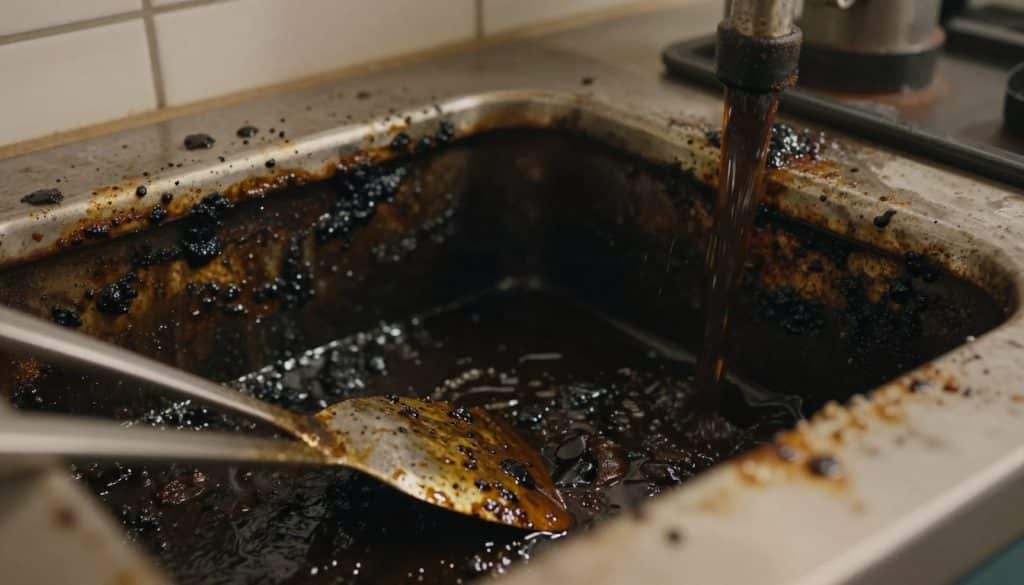
Common entry points we see include kitchen sinks, floor drains, fryers, grills, and dish areas. A swipe of a pan, a few tablespoons from a fryer, or a slick rinse can add up over time.
- Fats start soft, then harden and catch particles.
- Accumulation is gradual: slow drains become sudden clogs.
- In dense Chicago neighborhoods, shared lines mean one clog can affect many units.
We recommend professional maintenance and simple habits that prevent buildup. In the next section, we’ll offer step-by-step handling and safe disposal methods for both homes and restaurants.
What is the best way to dispose of grease trap waste?
Handle cooled kitchen grease with care — a simple pause prevents burns and messy leaks. Let hot oil or fat solidify before you touch it; that makes cleanup faster and keeps bags from seeping.
Seal and contain
Place cooled solids in leak-proof jars, waxed cartons, or sturdy jugs with tight lids. For less waste, pour into a parchment-lined bowl, chill until firm, then lift and bag for trash.
Turn liquids into solids
If oils stay liquid, absorb them with flour, cat litter, sawdust, or sand. Mix until paste-like, then double-bag before throwing away. This step prevents spills and saves cleanup time.
Protect sinks and reuse safely
Wipe pans and plates with paper towels before washing to keep grease out of sinks and drains. When reusing cooking oil, strain with cheesecloth or a coffee filter, store airtight, and sniff or feel for rancidity — tacky or foul oil means toss.
- Recycle when possible: strain food bits and keep oil clean for local drop-off programs.
- Questions? If slow drains or backups started already, we can inspect and help restore your plumbing.
Disposal options for homes vs. restaurants in Chicago, IL
Chicago properties need practical routines that match volume and local rules. For homeowners, small jars or sealed containers work well. Wipe pans with paper towels and trash them rather than putting greasy paper in recycling.
At‑home handling
Store cooled fat in a jar and seal before tossing. For liquid oil, absorb with cat litter or flour, then bag. Avoid contaminating recycling — even small amounts ruin whole bins.
Commercial collection
Restaurants benefit from scheduled pickups and secure container placement. Trained crews transfer contents, lowering spill risk and keeping kitchens compliant. Pickup frequency depends on volume.
Recycling into biofuels
Prep used oil by cooling and straining with cheesecloth or coffee filters. Keep food and water out; clean oil meets most drop-off rules and helps local recycling programs turn oils into biodiesel.
Traps, interceptors, and upkeep
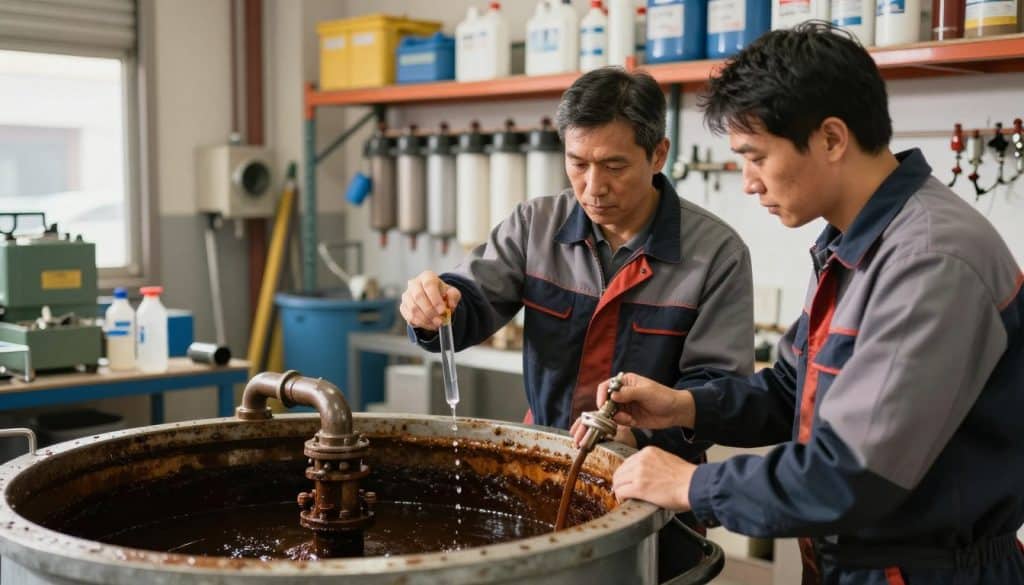
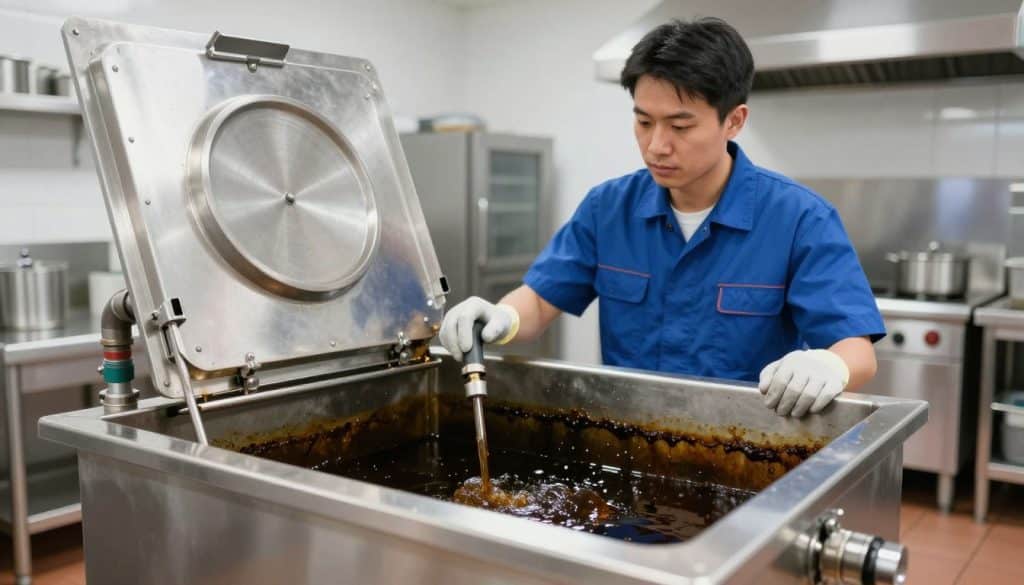
Grease traps sit near fixtures; interceptors are larger, gravity-based units for high flow. Routine maintenance prevents backups, fines, and costly downtime.
- Use fryer oil pails and shuttles for safe transfers.
- If recurring clogs or questions arise, we can set a plan from our Chicago and Wilmette offices.
Conclusion
A little caution after cooking saves time, money, and mess down the road. Keep grease and oil out of pipes; small residues add up and cause clogs that affect homes and businesses.
Quick checklist: cool it, seal it, solidify when needed, wipe pans first, and recycle only when the oil is clean.
For peace of mind, call J Sewer & Drain Plumbing Inc. at (773) 231-8869 or email [email protected] for help with slow drains, recurring clogs, or maintenance plans.
Our family-owned, two-generation team (est. 2017) serves Chicago and nearby areas. Offices: 3343 N Monticello Ave, 3017 N Elston Ave, Chicago, IL; 809 Ridge Rd, Wilmette, IL. Hours: Monday–Saturday, 24 hours open.
We treat every customer like family, offering clear guidance and reliable service when grease problems appear.
FAQ
What is F.O.G., and why does fat, oil, and grease cause problems in drains?
F.O.G. stands for fat, oil, and grease. These substances cool, congeal, and cling to pipe walls, forming blockages commonly called “fatbergs.” Over time, slimy buildup narrows lines, causes backups, and damages sewer systems. We advise keeping F.O.G. out of sinks and floor drains to protect plumbing and municipal sewers.
Where does F.O.G. usually enter my plumbing or sewer system?
F.O.G. commonly enters through kitchen sink drains, floor drains near cooking areas, fryers, grills, dishwashing stations, and mop sinks. Even small amounts from plates, pans, and cleaning can accumulate, so routine capture and removal are essential for homes and commercial kitchens.
How should I handle hot oil or grease safely before disposal?
Allow hot oil and grease to cool and solidify in the original pan or a heat-safe container. This prevents burns and messy spills. Once solid, transfer to a sealable, leak-proof jar, carton, or jug for trash disposal. We recommend using gloves and a stable surface to avoid accidents.
Can I pour used cooking oils down the sink if I run hot water and dish soap?
No. Hot water may carry oil farther into the system, but when it cools it will still congeal and stick to pipes. Dish soap only emulsifies briefly; the grease will re-form later. For lasting protection, never pour oils or greasy liquids into any drain.
What absorbents can I use to solidify liquid oils for easier disposal?
Common absorbents include cat litter, sawdust, coffee grounds, or commercial oil-absorbent pads. Mix the absorbent with the liquid oil until it thickens, then place the solidified material in a sealed bag or container before discarding in regular trash, following local rules.
Is reusing cooking oil safe, and how should I store it if I plan to reuse it?
Reusing oil is acceptable when you strain out food particles and store it in a clean, labeled container. Keep it cool and away from light, and check for off odors or cloudiness as signs of rancidity. For multiple reuses, monitor smoke point changes and replace when quality declines.
What options do homeowners in Chicago have for disposing of used cooking oil?
Homeowners can solidify and seal small amounts for regular trash, use municipal recycling drop-off programs where available, or bring large volumes to designated collection sites. Always follow Chicago Department of Streets and Sanitation guidelines to avoid contamination and fines.
How should restaurants and food businesses in Chicago manage grease collection?
Commercial kitchens should use dedicated grease containers, schedule licensed grease collection pickups, and keep containers in designated, accessible areas. Proper labeling, leak-proof bins, and locked lids reduce spills and regulatory risk. Routine checks prevent overflows and maintain compliance.
What is the difference between a grease trap and a grease interceptor, and why does maintenance matter?
A grease trap is a small unit near fixtures for low-flow applications; a grease interceptor is larger, often installed underground for higher volumes. Both separate solids and oils from wastewater. Regular pumping and cleaning prevent backups, keep operations running, and satisfy local health and plumbing codes.
Can used cooking oil be recycled into biofuel, and how do I prepare it for drop-off?
Yes. Many programs accept used cooking oil for biodiesel production. Strain out food particles, store oil in a clean, sealed container, and label it. Contact local Chicago recycling centers or program operators for drop-off locations and volume requirements before transport.
What spill-prevention tools and practices help keep my kitchen safe?
Use fryer oil pails with pour spouts, shuttle containers for transport, non-slip mats, and drip trays. Wipe pans and plates with paper towels before washing, keep lids on collection bins, and train staff or family on safe handling procedures to reduce burns, slips, and sewer risk.
Who can I call in Chicago for professional grease trap service, maintenance, or emergency cleaning?
For reliable service, contact J Sewer & Drain Plumbing Inc. We provide grease trap and interceptor cleaning, scheduled maintenance, emergency response, and guidance on compliance for Chicago properties. Our team helps protect plumbing systems and keeps kitchens running smoothly.