Curious whether a powerful stream of water can truly clear stubborn lines and protect your home? That question guides this short guide, and we promise clear answers you can trust.
We are J Sewer & Drain Plumbing Inc., a family-owned, two-generation team serving Chicago, IL and nearby areas since 2017. Our voice is warm and direct; we explain complex work in plain terms so you can make confident choices for your property.
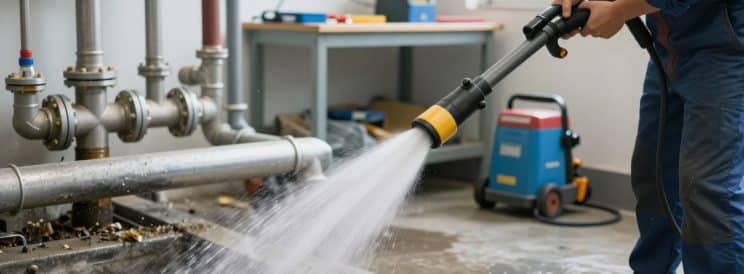
In simple language, what is hydro jetting: it’s like power-washing the inside of your pipes, using high-pressure water to remove buildup, roots, and grease without harsh chemicals. This modern method is effective and eco-friendly, and it’s typically performed by trained pros who match pressure and nozzle to pipe type.
In this how-to guide, we’ll show how jetting works, what it removes, when it’s the right fix, and when another approach better protects your plumbing. We approach every home with safety-first care and transparent recommendations, so you know what to expect before we arrive.
Call (773) 968-2704 or email jsewerdrainplumbing@gmail.com to schedule and feel confident in your home.
Key Takeaways
- We explain what is hydro jetting in clear, homeowner-friendly terms.
- Hydro jetting removes stubborn buildup using only water, avoiding harsh chemicals.
- Trained technicians select pressure and nozzles to protect pipes.
- We outline the typical steps: inspection, clearing, high-pressure cleaning, and follow-up.
- Our goal is lasting results for homeowners and property managers, not quick fixes.
Hydro jetting drain cleaning in Chicago, IL with J Sewer & Drain Plumbing
When Chicago properties face repeat blockages, a reliable, professional cleaning option brings real peace of mind.
Welcome to J Sewer & Drain Plumbing Inc., a family-owned, two-generation team serving Chicago and nearby areas since 2017. We treat every customer like family and take pride in clean, lasting results for your home.
Our plumbing and drain service targets recurring clogs, slow lines, and heavy buildup. We evaluate each situation and choose the safest method, including hydro jetting when it offers the best outcome.
- Contact: (773) 968-2704 | jsewerdrainplumbing@gmail.com
- Locations: 3343 N Monticello Ave, 3017 N Elston Ave, Chicago, IL; 809 Ridge Rd, Wilmette, IL.
- Hours: Monday–Saturday, 24 hrs open
We serve as your local plumber with honest communication, tidy worksites, and reliable follow-up. Call us to discuss a tailored plumbing service and schedule fast, professional attention to your drains.
What is hydro jetting and why plumbers use it for sewer lines and drains
When residue builds up inside your line, we use a controlled, high-pressure water approach that scours the interior of your pipes much like a power washer on a dirty surface.
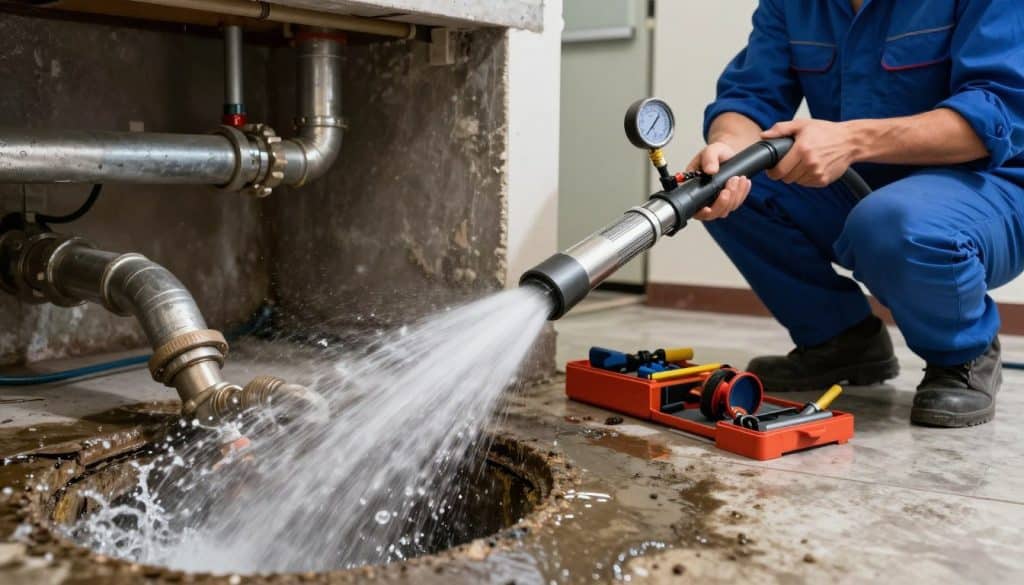
Why plumbers recommend this technique: it restores flow and removes sticky residue that often feeds future clogs. For heavy grease, soap scum, and compacted debris, water jetting delivers a deeper clean than snaking alone.
- Designed to solve: slow drains, repeated clogs, and stubborn blockages that resist basic tools.
- Pressure matters: many residential jobs use up to about 3,500–4,000 PSI, so matching force to pipe condition is critical.
- When not to use it: broken, collapsed, or fragile pipes can crack under high pressure, so we inspect first and recommend alternatives when needed.
We prioritize safety and long-term results. After inspection, we pick the least invasive option that still gives you cleaner pipes and fewer future issues.
How hydro jetting works: equipment, PSI, and the high-pressure water technique
Understanding the tools and pressure settings lets you trust the cleaning process your plumber will use. We break down the main parts so the job feels straightforward.
The jetter system includes a tank of water, a motor/pump, a flexible hose, and interchangeable nozzles. Each part plays a role: the tank supplies water, the pump creates pressure, the hose reaches into the line, and the nozzle directs the spray.
The role of pressure and psi
Typical residential work runs about 1,500–4,000 psi. We match water pressure to your pipe condition so cleaning power removes buildup without harming the line.
Nozzle types and spray patterns
Forward jets cut through clogs while rear jets scour pipe walls to lift grease and residue. Chisel-style nozzles tackle hardened deposits or small root intrusions.
Choosing the right setup
- We assess line size and blockage type before selecting a nozzle and psi.
- Correct hose length and nozzle shape improve debris removal across the full cross-section.
- Experienced plumbers make the call, balancing safety with thorough cleaning.
How to hydro jet a sewer line safely: the professional step-by-step method
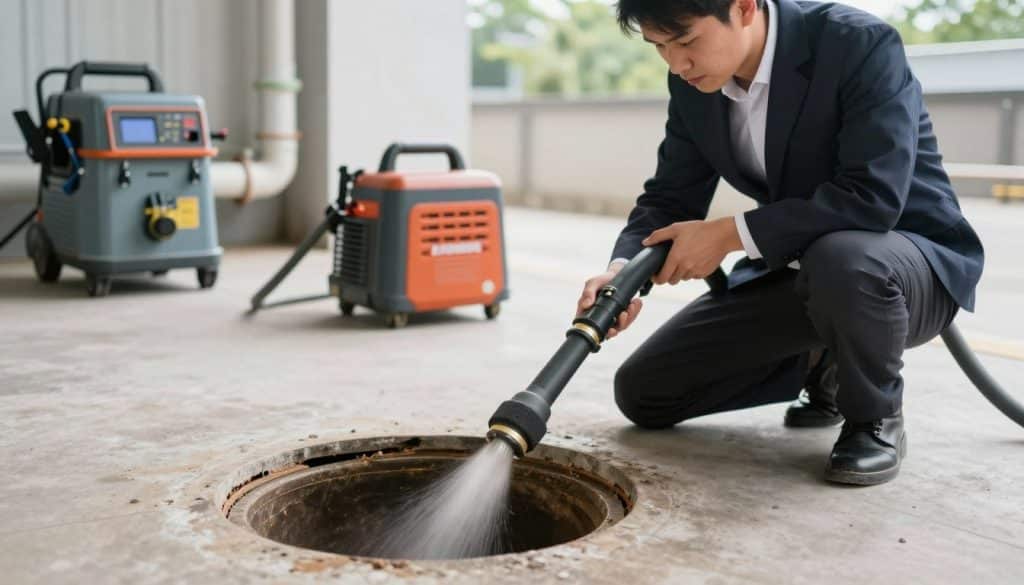
We follow a careful, step-by-step routine so your sewer line gets a full clean without unnecessary risk. Our goal is controlled cleaning that protects your pipes and your property.
Pre-jet assessment
We inspect the system for weak joints, corrosion, or damage that make safe pipes a priority. If a sewer line looks fragile, we recommend alternate repair options before any high-pressure work.
Video camera inspection
A camera inspection locates the clog and confirms the line’s condition. This inspection reduces surprises and guides nozzle and pressure selection by a professional plumber.
Snaking first when needed
When roots or dense buildup block access, we use snaking to open a path. That approach makes the main pass more effective and lowers the risk to the pipes.
- Feed the hose through the cleanout and perform a controlled jetting pass.
- Work methodically, flushing debris down the line and adjusting nozzle and pressure as needed.
- Finish with a post-cleaning inspection to verify walls are clean and clogs are gone.
We verify, not guess: a professional plumber confirms results with camera footage and leaves your system ready for long-term use.
What does hydro jetting remove from drain and sewer pipes
Recurring slow drains usually point to buildup clinging to pipe walls rather than a single lodged object. We remove the layers that cause repeat clogs so your lines flow like they should.
Grease, fats, oils, and sludge
Grease and oily residue stick to walls and narrow the line over time. That buildup creates a rough surface where more debris can catch, so snaking alone often gives only short-term relief.
Hair, soap scum, food residue, and common debris
Hair and soap form mats that trap food particles. These everyday materials cause recurring clogs in sinks and tubs. A deeper clean removes the residue so blockages happen less often.
Sand, silt, mineral scale, and hardened deposits
Heavy particles settle in low spots and slow flow gradually. Mineral scale can calcify and resist basic cleaning. High-pressure water cleaning breaks and flushes these deposits, restoring usable pipe area.
Tree roots and root intrusions
Small root strands can be cut and washed away in many sewer lines, but severe root systems may need repairs. We set expectations clearly and recommend follow-up when roots keep returning.
- Common removals: grease, hair, silt, scale, and roots.
- Outcome: fewer blockages, improved flow, and cleaner walls for longer-lasting results.
- Best uses: heavy-use lines such as restaurant drains and older sewer lines that show repeated clogs.
Signs your home’s plumbing system may need hydro jetting
Noticing repeat backups or odd smells can signal a deeper concern inside your home plumbing. We help homeowners and property managers in Chicago spot practical clues so problems get fixed before they worsen.
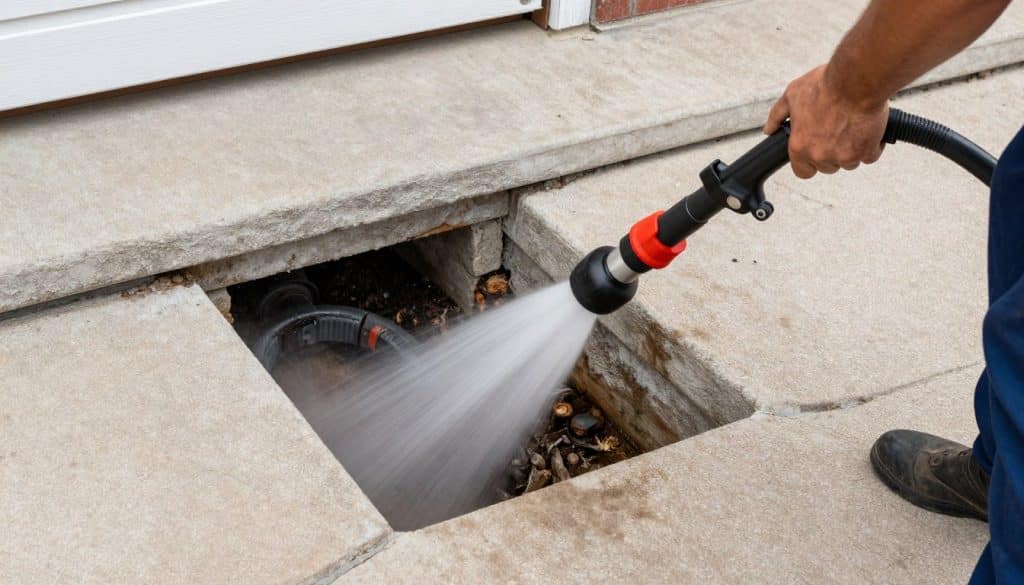
Repeated clogs and slow drains across fixtures
If multiple sinks or showers slow at the same time, that often means a shared line has widespread buildup. Repeated clogs after temporary fixes point to residue on pipe walls rather than a single trapped item.
Sewer-like odors from drains
Foul smells coming from drains suggest decaying buildup in the system. Odors that return after cleaning usually mean the line needs a deeper clean to remove trapped organic material.
Gurgling or unusual pipe noises
Gurgles and bubbling indicate air trapped by partial blockages. Those sounds often show up before a full backup and deserve prompt evaluation.
- Spot the pattern: recurring clogs across the home, not one fixture.
- Act early: odors or gurgles are signs to inspect the sewer line.
- Call us: we start with safe diagnostics and recommend jetting only when your pipes can handle it.
We provide straightforward advice and careful inspections for Chicago homes. Call J Sewer & Drain Plumbing Inc. for a professional evaluation and peace of mind.
Hydro jetting vs. snaking and chemical drain cleaners: choosing the right drain cleaning service
We guide homeowners through practical choices so your drains get the safest, most effective care. Each method has a role, and our job is to recommend the proper option for your lines and usage patterns.
Thoroughness: scouring pipe walls vs. punching a hole
Snaking often clears a clog by making a central channel. That helps flow but can leave residue on pipe walls.
Hydro jetting scours the entire cross-section, blasting away grease and buildup so blockages are less likely to return.
Longevity and eco-friendly approach
Removing residue from walls increases longevity. Lines stay cleaner longer and need fewer repeat visits.
Using plain water means an eco-friendly approach. Unlike harsh chemicals, this method avoids damaging pipe materials and the environment.
Best-fit scenarios
- Restaurants and heavy-use drains with grease buildup: jetting offers deeper cleaning.
- Older buildings: we inspect before deciding; fragile pipe sections may need alternative repair.
- Routine drain cleaning for homes: snaking can work for single clogs, but jetting wins for persistent blockages.
We evaluate the sewer line, then recommend the right method. Our professional plumbers balance thorough cleaning with safe, long-term results for your property.
Conclusion
A targeted, professional clean restores flow and reduces the chance of emergency backups. Hydro jetting can remove grease, scale, roots, and other debris from inside your pipes, giving longer-lasting results than snaking alone.
We always perform a camera inspection before and after work so a trained plumber can confirm your sewer line can handle high pressure and that the job succeeded.
Consider service for recurring clogs, slow drains, foul sewer odors, or gurgling. Call J Sewer & Drain Plumbing Inc. for honest advice from a family-owned team in Chicago and nearby areas.
Contact: (773) 968-2704 | jsewerdrainplumbing@gmail.com
Locations: 3343 N Monticello Ave, Chicago, IL 60618; 3017 N Elston Ave, Chicago, IL 60618 (Our New Location!); 809 Ridge Rd, Wilmette, IL 60091.
Hours: Monday–Saturday, 24 hours open.