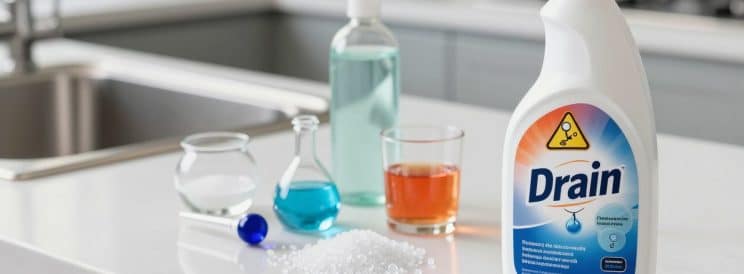
Curious whether that bottle on the shelf will fix your clog without harming pipes? What drain cleaner is safe for toilets? We ask the tough questions so you don’t risk costly damage.
We are J Sewer & Drain Plumbing Inc., a trusted, family-owned Chicago ally, established 2017 and led by two generations. We treat every customer like family and serve Chicago, IL and nearby areas, Monday–Saturday, 24 hrs open.
Chemical, enzyme, and manual methods each have strengths. Safety depends on pipe materials and label directions; overuse can harm PVC with heat or corrode older metal pipes.
In this buyer’s guide we will answer the question you came here for and explain what “toilet-safe” really means for your home’s plumbing. We’ll show which products help slow buildup, when a plunger or auger is the proper solution, and which warning signs mean call a pro. Call (773) 231-8869 or email [email protected] to schedule and feel confident in your home.
Our goal: protect your toilet, pipes, and home with clear, realistic steps tailored to Chicago properties, older metal lines, and homes on sewer or septic systems.
Key Takeaways
- One clear answer up front: read labels and match the product to your pipe material.
- Chemical and enzyme options work differently; manual tools often solve stubborn clogs safely.
- Overuse of harsh products can damage PVC or metal plumbing; use caution.
- We focus on practical steps for Chicago homes and common local setups.
- If a clog resists simple fixes, call our team for professional service.
Why “toilet-safe” drain cleaning is different than sink or shower clogs
Household toilets create blockages in a tight trapway and S‑bend. That geometry concentrates paper and organic matter where flow is limited, so many sink-style approaches don’t work the same here.
What toilets typically clog with
Most clogs are paper and organic matter packing into the trapway. These materials often respond better to slow, biochemical action than to violent, heat-producing reactions.
Why the wrong product can damage pipes, metal parts, or porcelain
Fast-acting chemical options can generate heat and stress PVC, or corrode older metal components. Porcelain can suffer from abrasive or acidic contact, and standing bowl water reduces product contact with the blockage.
- Match method to clog: paper in the trapway often needs a plunger or auger before any product.
- Prefer gentle action: products that break organic matter slowly pose less risk to pipes and metal parts.
- Read labels: wording like “safe” and “septic” helps, but it doesn’t guarantee success for every clog.
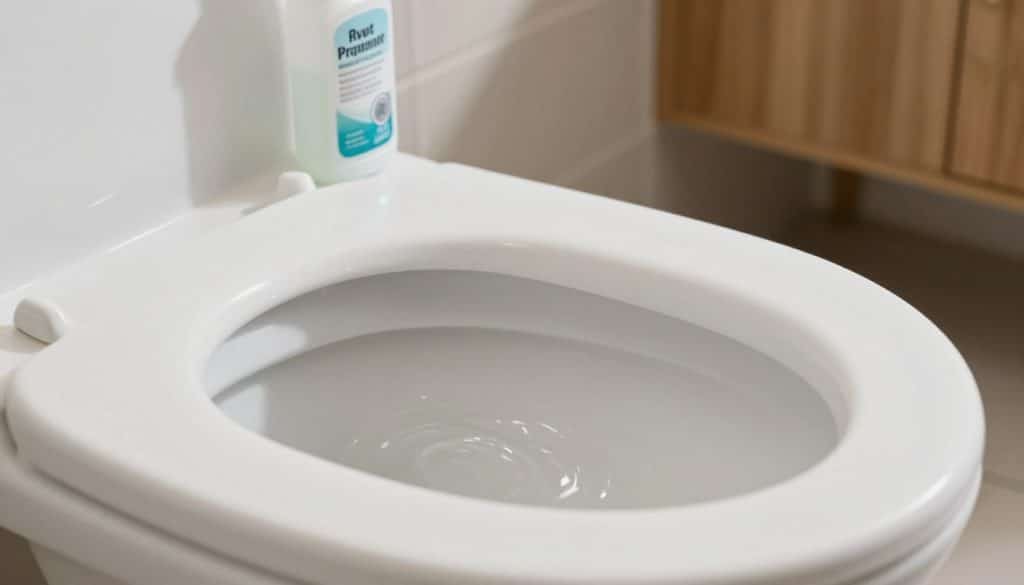
Common reasons toilets drain slowly or clog in the first place
Slow flushing can come from simple tank issues or a deeper line problem — we help you tell the difference.
Low tank water reduces flush power and often mimics a clog. In busy households, worn fill valves or an incorrect float height cut the water available for each flush. That weak water flow may look like a blockage when the line is actually clear.
Physical blockages are common. Wipes, sanitary items, and small toys pack into the trapway and rarely break down with a product. These items often need mechanical removal rather than chemical treatment.
Mineral buildup around rim jet holes also reduces water flow. Over time, deposits restrict the jets that help clear the trap, so the toilet runs sluggish even though the main line is open.
A system clue: when multiple drains in the house act slow, suspect a sewer vent or main line issue rather than just the toilet. Try a simple gallon-of-water test: pour one gallon into the bowl — if water rises quickly, a line blockage is likely.
- Quick steps: check tank water level first, then test with a gallon of water.
- Avoid guess fixes: don’t pour unknown products into the bowl before diagnosing the cause.
- Call us: J Sewer & Drain Plumbing Inc. can step in when the problem looks like a whole-house concern.
What drain cleaner is safe for toilets
Choose a product that gently targets paper and organic buildup rather than attacking pipes with heat. Toilet‑safe usually means the label permits use in a toilet bowl and common pipe materials when you follow directions exactly.
Enzyme and bacteria-based options
Enzymatic and bacterial formulations slowly break organic matter and paper. They work overnight and carry less risk of heat damage or corrosion.
Good for: routine maintenance and recurring slow flow caused by organic buildup.
Products labeled for toilets, sinks, tubs, and septic systems
Look for wording that lists toilets, tubs, sinks, and septic systems. That label language shows broader compatibility across fixtures and systems.
When a “toilet‑safe” product still isn’t right
Solid objects, toys, or main‑line backups won’t dissolve. In those cases, chemicals or enzymes won’t help and mechanical removal is needed.
- Quick guide: use enzymes for maintenance, reserve chemical options for limited, labeled uses.
- Keep in mind: pipe material and contact time matter—follow dosing exactly.
- Severity rule: slow flow = start gentle; recurring partial clog = consider an auger; full backup = call us.
Toilet-safe product types to consider in the U.S. market right now
When shopping in the U.S. market, you’ll see three clear choices that suit most household toilet issues. We compare enzyme-based formulations, chemical options, and manual tools so you can select the best product for your situation.
Enzyme-based options for slow buildup
Enzyme products break down organic matter gently over time. They often need overnight contact and work well for recurring, minor clogs caused by paper and organic deposits.
Enzymes are budget-friendly long-term maintenance. Expect results in hours rather than minutes.
Chemical choices and why labels matter
Chemical drain formulas act faster but can generate heat and risk older metal or PVC when misapplied. Read label directions closely; many chemical drain products target hair and soap scum in sinks and showers, not toilet traps.
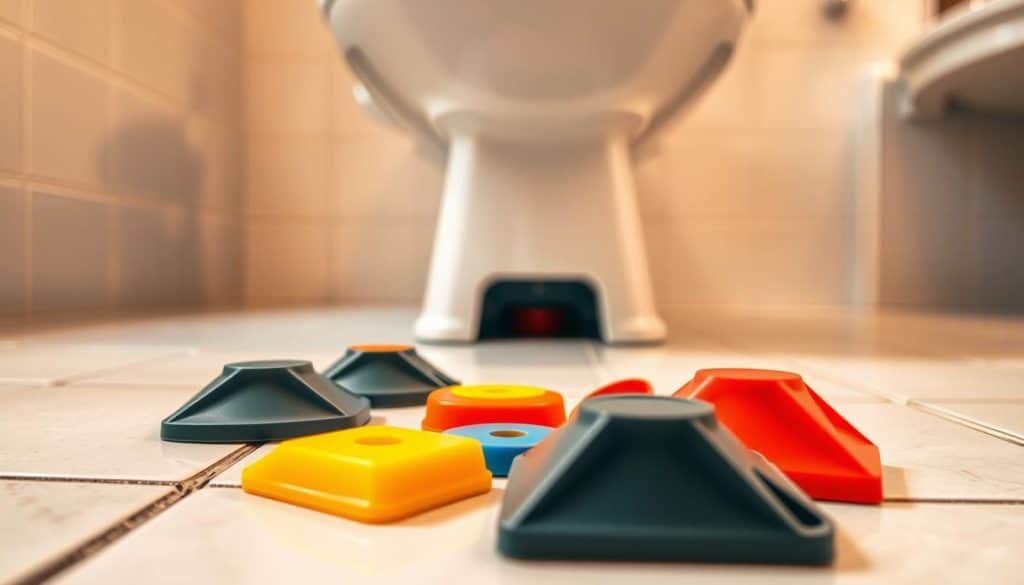
Manual tools as the safest option
Plungers and augers physically remove blockages without adding corrosive substances to pipes. For full backups or solid objects, a manual tool is often the best, least damaging option.
- Match the option to the clog type—enzymes for recurring organic buildup, chemical for labeled, appropriate uses, manual tools for solid or stubborn clogs.
- Plan time: minutes with chemicals versus hours or overnight with enzyme products.
- Consider hair clogs usually occur in showers and sinks; avoid buying the wrong product for a toilet problem.
Spotlight: Drano options and what to know before you pour
Before you pour any product, know whether the formula suits slow buildup in a bowl or a sink line. We focus on safe, measured steps so your plumbing stays protected.
Drano Max Build-Up Remover for slow-flow maintenance
Drano Max style build-up removers are designed for gradual organic and paper buildup. They work best when given contact time rather than rushed action.
Suggested dosing and timing
Follow a small, label-style protocol: pour about 4 ounces, wait 6–8 hours, and repeat for three consecutive days. After results, use a monthly treatment for maintenance.
Don’t expect instant fixes in minutes. Slow formulas need hours of contact to break down material. If you don’t see progress, avoid a second dose right away.
Why Max Gel formulas may not suit a bowl
Max gel clog removers are thicker and often target hair and soap scum in sink lines. They may be labeled for tubs and sinks, not a bowl’s trapway. In many toilet situations, gel products won’t reach or dissolve the packed paper and organic matter.
- Keep in mind: match product type to the fixture and read the label exactly.
- If your toilet is fully blocked or overflowing, stop pouring and switch to a plunger or auger.
- When unsure, call our team for advice before risking heat or corrosion to pipes.
Spotlight: Green Gobbler options that claim to be toilet-safe
Green Gobbler markets several products that advertise multi‑fixture compatibility, including a Main Line Opener and enzyme packs. We look at how those claims translate to real-world use and safe steps you can take at home.
Main Line Opener as a versatile option
The Main Line Opener often lists toilets, tubs, sinks, and septic systems on the label. That versatility can help when multiple drains act slow, but it still requires following directions closely.
How surfactants and water contact help dislodge debris
Surfactants lower surface tension so water wets and spreads across sticky organic matter. This wetting helps the formula reach and loosen buildup along a pipe wall.
Enzyme-style packs and overnight treatment
Enzyme packs need dwell time—often overnight—to break matter slowly and safely. After the recommended hours, flush per label guidance and avoid adding extra hot water unless instructed.
- Check compatibility: a versatile product can be useful, but read limits on material types and fixtures.
- Water contact matters: if the product can’t reach the blockage in the trap, results will be limited.
- Call us: if several drains show trouble, that may signal a larger main-line issue needing professional service in Chicago.
How to choose the right toilet-safe drain cleaner for your clog
Begin with a quick diagnosis: hair, paper products, grease, or organic matter each call for a different approach.
Match the cleaner to the clog. Use oxidizing formulas for hair in a bathroom sink or shower line. Choose caustic options only when grease from a kitchen or kitchen sink causes buildup. Use enzymatic products for organic matter and recurring paper product issues in a bowl.
Consider your pipes. PVC can soften if a product generates heat. Older metal pipe may corrode with repeated chemical drain cleaners. When in doubt, pick gentler options or a mechanical tool.
- Septic-connected homes: insist on “septic-safe” labeling.
- Sewer-connected properties: broader product choices, still match to clog type.
- Emergency vs maintenance: fast action works in minutes, enzymes need hours and steady contact time.
If a blockage repeats or feels solid, stop pouring and call us for a safe, cost-effective diagnosis of your Chicago plumbing system.
Safe use checklist for toilet drain cleaners
Start each maintenance step with caution and a clear plan to protect your home. A short checklist helps you apply treatments correctly and avoid accidents.
Try a plunger first. Use a proper flange plunger and work gently. Never plunge after adding chemicals — splashback can cause burns or eye injuries.
Ventilation and PPE. Open a window, turn on a fan, and wear gloves and eye protection. This simple setup reduces exposure during any cleaning task.
- Never mix products. Combining formulas can create toxic fumes or violent reactions. Do not stack a second drain cleaner if the first shows no change.
- Flush per label instructions. Use the recommended water temperature and the rinse duration the manufacturer specifies. Hot water can help only when the label allows it.
- Respect required time. If a label lists minutes or hours, wait that interval before deciding the product worked or failed.
Stop and call us if backups repeat, other fixtures gurgle, or you see signs of a larger blockage. We’ll protect your plumbing and keep your family safe.
What to avoid putting in a toilet when you have a clog
A clogged toilet invites tempting shortcuts, but many common fixes create bigger problems. We want you to protect your plumbing and avoid costly repairs.
Why harsh acids can harm porcelain and metal components
Strong acids eat away at metal parts and can pit porcelain glazes. That damage may turn a simple clog into a replacement-level repair.
Acids can also react with residues and produce dangerous fumes. If you’re unsure about a product, don’t pour it in.
Common quick fixes that backfire
People often try excessive hot water, repeated dosing, or unknown chemical drain cleaners. Each approach can worsen the situation.
- Excessive hot water: can soften PVC and stress joints in pipes.
- Repeated dosing: stacking products raises hazard and rarely improves results.
- Unknown products: unlabeled mixes may corrode metal, create fumes, or void warranties.
Keep in mind: if the bowl nears overflow or clogs resist gentle methods, stop adding chemicals and switch to a mechanical tool or call us. We’ll help protect your home and family with safe, effective care.
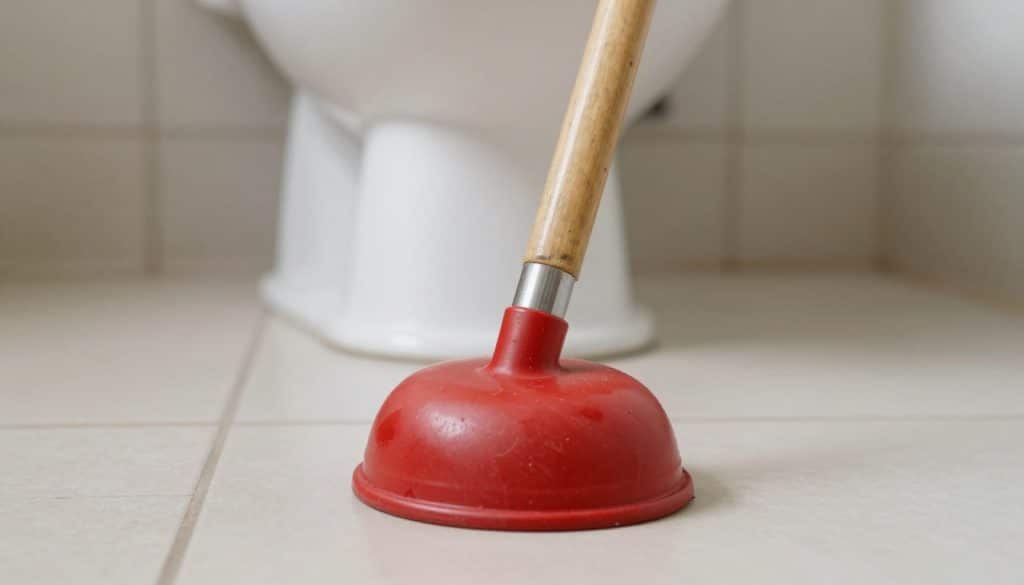
Better alternatives when a toilet-safe cleaner isn’t enough
When a bowl treatment won’t budge a clog, mechanical tools often finish the job safely. Choosing the right tool protects the porcelain S‑bend and avoids repeated chemical attempts that can harm fixtures or hide a bigger issue.
Toilet auger vs standard snake: protecting the porcelain S‑bend
Toilet augers use a curved shaft and soft boot to reach deep clogs without scraping the bowl. A standard snake can reach far, but it may scratch or crack the porcelain if used inside a toilet.
When a clog points to venting or main line trouble
Slow drains in multiple fixtures, gurgling, or recurring clogs often signal a vent or main-line restriction in the house. These blockages need diagnosis, not more bottles, since repeated dosing can delay the true fix.
When to call J Sewer & Drain Plumbing for professional help
Call us when a toilet keeps clogging, you suspect an object, or several drains act slow. J Sewer & Drain Plumbing Inc., family-owned since 2017 and two‑generation run, treats every customer like family.
- Fast scheduling: (773) 231-8869 or [email protected]
- Service area: Chicago, IL and nearby communities
- Offices: 3343 N Monticello Ave, 3017 N Elston Ave, Chicago, IL; 809 Ridge Rd, Wilmette, IL.
- Hours: Monday to Saturday: 24 hours Open
Conclusion
Start by diagnosing the cause, try a plunger or auger when appropriate, then apply a labeled drain cleaner as directed. Protect your skin and eyes, ventilate, and never mix formulas.
Avoid harsh acids or repeated dosing that can damage porcelain and stress pipes. If multiple drains act slow or issues repeat, stop home attempts and call professionals.
We’re here to help Chicago homeowners and managers with timely plumbing care. Call or email J Sewer & Drain Plumbing Inc. for a fast, caring solution.
FAQ
What drain product should we use on a toilet clog?
For household toilets we recommend enzyme- or bacteria-based formulas designed to break down organic matter like toilet paper and waste. These products are gentler on porcelain, rubber seals, and older metal parts than harsh chemical options. If a clog resists enzymes, a manual tool such as a toilet auger is often the safer next step before trying stronger chemicals.
How is toilet-safe cleaning different from treating a sink or shower blockage?
Toilet trapways, seals, and flush mechanisms are more sensitive than typical sink or tub drains. Many sink products use caustics or strong heat that can harm toilet porcelain, corrode metal parts, or damage wax rings. Toilet-safe options avoid aggressive corrosion and are formulated to protect plumbing components while targeting organic buildup.
What commonly causes a toilet to clog or drain slowly?
Typical culprits include excess toilet paper, wipes and sanitary products, small toys, and persistent organic buildup in the trapway. Low tank water or a weak flush can make clogs more likely, while mineral deposits or a blocked sewer vent can cause slow draining across multiple fixtures.
Are enzyme-based products effective for toilet clogs?
Yes—enzyme and bacterial cleaners work slowly to digest organic matter and are excellent for recurring slow drains or maintenance. They’re septic-safe options that reduce buildup over hours or overnight, but they may not resolve tough mechanical blockages like a toy or compacted wipes.
Can we use chemical products like Drano Max in toilets?
Many Drano formulations, including Drano Max Gel, are not intended for toilets. Drano Max Build-Up Remover can help slow-flow issues when the label permits toilet use, but you must follow dosing and timing instructions precisely. Avoid pouring caustic gels into toilets unless the product explicitly states toilet-safe on the label.
What should we know about Green Gobbler products for toilets?
Green Gobbler offers enzyme-style packs and main line openers that market toilet-safe options. Enzyme packs are good for overnight, low-temperature treatments that digest organic material. Main line openers can work in some toilet scenarios, but check the label and choose the enzyme or toilet-safe variant for porcelain fixtures.
When is a manual tool the best choice?
Use a plunger first for minor clogs. If that fails, a toilet auger (closet auger) is usually the safest manual option to protect the porcelain S-bend and avoid pushing debris deeper. A standard plumbing snake risks scratching or damaging the bowl and trapway if used improperly.
How should we match a product to the specific clog?
Identify the likely cause: hair or grease responds poorly to enzyme cleaners; paper products and organic waste respond well. For grease or mineral scale, physical removal or specialized products for kitchen drains work better. Also consider pipe material—PVC versus older metal—since heat and corrosives affect them differently.
What safety steps must we follow when using a toilet-safe product?
Try a plunger first and never plunge after adding chemicals. Wear gloves and eye protection, ensure good ventilation, and follow label directions for dosing and water temperature. Never mix products or add a second cleaner if the first hasn’t worked—mixing can create dangerous fumes or reactions.
Is hot water safe to pour into a clogged toilet?
Warm water at a recommended temperature can help loosen soft blockages, but avoid boiling water. Excessively hot water can crack porcelain or damage seals, and aggressive repeated hot-water flushes can make problems worse if the blockage is solid or chemical-based.
What should we avoid putting in a toilet when it’s clogged?
Don’t use strong acids, unspecified chemical drain products, or excessive doses of treatments. Avoid flushing wipes, sanitary products, grease, or foreign objects. Harsh acids and caustics can erode metal parts, damage seals, and chip porcelain over time.
When is it time to call J Sewer & Drain Plumbing Inc. in Chicago?
Call us if plunging and a toilet-safe product don’t clear the blockage, if multiple fixtures are slow (which suggests a vent or main-line issue), or if you suspect damage to the trapway or seals. We serve Chicago and nearby areas and can diagnose with a toilet auger, camera inspection, or main-line service to protect your plumbing and restore reliable flushing.
How quickly should products work and how often can we repeat treatments?
Enzyme treatments often require hours to overnight and may need repeated applications for recurring buildup. Some maintenance products show improvement in minutes to a few hours—follow label guidance for ounces, repeat intervals, and maximum treatments. If a product shows no progress after the recommended time, stop and contact a professional.
Are septic-safe labels important for Chicago-area homes?
Yes. If your property uses a septic system, choose septic-safe, enzyme-based cleaners. For sewer-connected homes in Chicago, septic safety is less crucial, but gentler formulations still protect pipes, seals, and municipal lines from corrosive chemicals.
How can we prevent recurring toilet clogs?
Avoid flushing wipes and non-flushable items, limit excessive paper use, schedule periodic enzyme maintenance treatments, and address low tank water levels or weak flushes. Regular inspections by a plumber can catch vent or main-line problems before they affect multiple fixtures.
What contact options does J Sewer & Drain Plumbing Inc. provide?
For service in Chicago and surrounding communities, reach us at (773) 231-8869 or [email protected]. We operate offices in Chicago, IL and Wilmette, IL with extended availability Monday through Saturday to assist with clogs, inspections, and emergency needs.