
Can a common product meant to clear a clog actually harm your plumbing—and what drain cleaner is safe for PVC pipes so you can avoid that risk?
We’re J Sewer & Drain Plumbing Inc., a family-owned, two-generation Chicago team serving homes across Chicago, IL and nearby areas since 2017. We treat every customer like family and offer fast help 24 hours Monday–Saturday. Call (773) 968-2704 or email jsewerdrainplumbing@gmail.com to reach us quickly.
Chemical products can generate heat and soften or warp PVC when used improperly. Our approach is simple: try a plunger first, match the method to the clog, never mix products, and always flush per label directions.
In this guide we’ll define what “PVC-safe” really means, set realistic expectations about results and time, and preview enzymatic, chemical, and manual options so homeowners can choose a safer path. If a blockage won’t budge, we’ll explain clear “stop and call a pro” signs and how our Chicago offices: 3343 N Monticello Ave, 3017 N Elston Ave, Chicago, IL; 809 Ridge Rd, Wilmette, IL.
Key Takeaways
- Try a plunger first, then select the right method based on the clog type.
- Heat from chemical reactions can damage PVC; follow label and flush well.
- Never mix products—doing so increases risk to fixtures and safety.
- Know the three main options: enzymatic, chemical, and manual tools.
- Call J Sewer & Drain Plumbing for persistent issues at (773) 968-2704.
Why PVC drains need a different approach than metal pipes
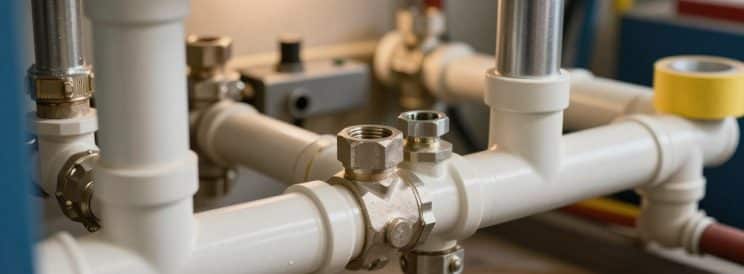
PVC plumbing reacts differently than metal lines, and that difference matters when you choose a cleaning method. Heat from chemical reactions can soften or warp PVC, so aggressive products that work on metal may harm plastic piping.
Some caustic and oxidizing products generate heat while breaking up blockages. Leaving those agents in place too long raises the chance of permanent damage and leaks in your home system.
Common clog causes in Chicago-area homes
Grease builds up in kitchen lines, hair and soap scum gather in bathroom traps, and organic matter like food particles worsens blockages. Each type responds better to different treatments.
Enzyme-based options handle organic matter gently over time, while oxidizers target hair and protein residues more quickly. Caustic formulas cut through grease but can increase heat and risk to PVC.
When “septic-safe” matters
If your property uses a septic system, products that upset bacterial balance can cause system failure. Look for formulations labeled septic-friendly and favor low-impact solutions when possible.
- Early-warning signs: slow flow, gurgling, recurring odors.
- Safety-first: try the least aggressive method that can realistically clear the blockage.
- Local care: in Chicago-area homes we prioritize clear, transparent advice before recommending service.
What drain cleaner is safe for pvc pipes
We recommend a cautious path: start with low-impact methods, then escalate only if needed. This reduces risk of heat damage and keeps your system reliable.
Enzyme and bacteria-based options
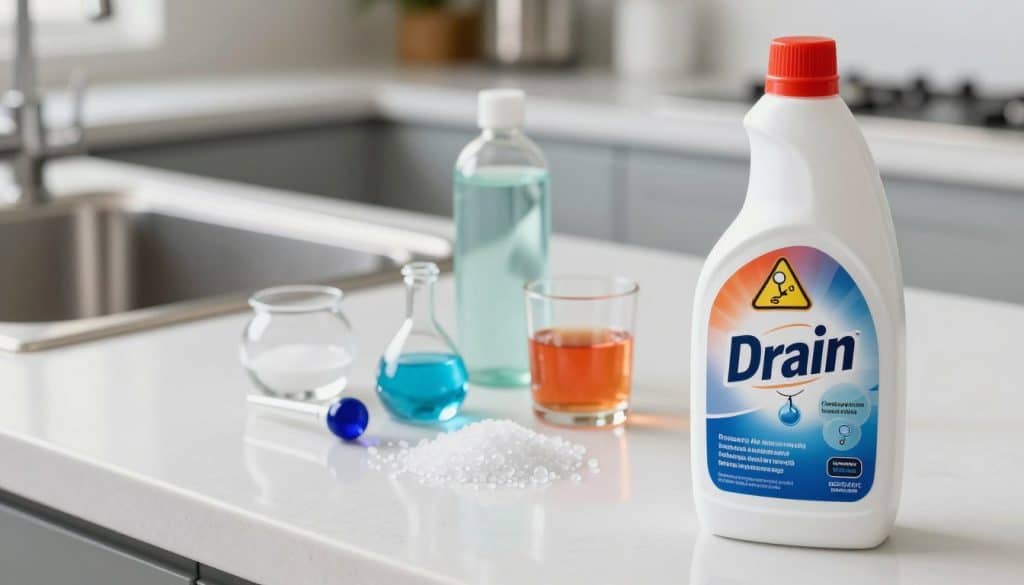
Enzymes and bacteria break down organic buildup like hair, grease, soap scum, and food particles. They act slowly, often overnight, but they are gentle on plastic plumbing.
Use these when flow is slow or blockages recur. Follow label dwell times and avoid mixing with other products.
When chemical products may be acceptable
Chemical drain cleaners can work fast on stubborn clogs, but they produce heat. That makes repeat or prolonged applications risky for plastic lines.
Only consider a chemical drain in controlled, label-directed use, and never exceed dwell time. Read and follow the manufacturer’s instructions—misuse causes most damage.
Manual tools that avoid chemical exposure
Snakes, augers, and disposable zip tools let you clear clogs without chemicals. These work especially well near the trap or when material is within reach.
- Decision triggers: standing water, repeated slow drains, total blockage.
- Try plunging, enzymes overnight, then manual tools before stronger measures.
- When DIY fails, call our professionals for a safe, lasting solution.
Drain cleaner types explained: enzymatic, chemical, and manual options
A focused approach—matching treatment to the clog type—reduces risk and saves time. We’ll describe each option plainly so you can choose with confidence and protect your fixtures and pipe connections.
Enzymatic options
Enzyme-based cleaners work slowly by breaking down organic matter like hair, grease, and food. They often need overnight to act, but they are gentle on plastic and metal plumbing.
Chemical formulas
Chemical drain cleaners deliver fast results; some act in 15–30 minutes on minor clogs. Caustic formulas tackle grease and soap scum, while oxidizing types target hair and food. Overuse raises heat and damage risk, so follow label times and avoid repeats.
Manual tools
Snakes and augers reach past the trap to clear deeper blockage without chemicals. They provide a direct fix when buildup won’t move or when speed matters.
- Speed vs. safety vs. depth: chemical cleaners = fast, higher risk; enzymes = safe, slower; manual tools = direct, deeper reach.
- Use hot water to flush and help light grease, but never pour boiling water into plastic lines.
- When in doubt, choose the least aggressive type first and call us if a blockage persists.
How to choose the right drain cleaner for your clog type
Identify the source and location before you act. For Chicago homeowners and property managers, this avoids trial-and-error that can worsen blockages or cause costly repairs.
Bathroom clogs: hair and soap buildup
Hair and soap form compact clogs near traps. Try manual hair removal or an oxidizing product aimed at hair; these target organic clumps without attacking connections.
Kitchen clogs: grease-heavy blockages
Grease collects inside lines and slows water flow. Caustic products cut grease faster, but use them sparingly and flush with warm, not boiling, water to protect your systems.
Garbage disposal issues
Food particles and odors respond well to enzyme and bacteria-based options used monthly. These products help ongoing cleaning and reduce recurring issues without harsh heat.
Toilet clogs and maintenance vs. emergency
A plunger or toilet auger is safest for toilet clogs; chemical use risks splash-back and porcelain harm. For maintenance, choose gentle enzyme treatments and regular flushing. Call us 24 hours Monday–Saturday if blockages persist or the problem worsens.
- Match clog to method: hair → oxidizer/manual; grease → caustic; organic waste → enzymes.
- Flush after treatment: use appropriate water volume and temperature to clear residue.
- When to call: standing water, recurring clogs, or multiple fixtures affected—schedule service.
Buyer’s guide to popular drain cleaners and what they’re best at
Before you buy, match product type to the clog so you get results fast and avoid extra repairs. Below we list common options, realistic time frames, and where each product shines or falls short.
Drano Max Gel Liquid Clog Remover
Best at: tough blockages and standing water. Minor clogs may clear in 15–30 minutes; some items may sit overnight. Not for toilets.
Liquid-Plumr Hair Clog Eliminator
Best at: hair clumps near bathroom traps. Work time often starts at 15 minutes; leave overnight for stubborn buildup. Less effective on grease.
Green Gobbler Drain Opening Pacs
Best at: pre-measured enzymes that target organic matter. Easy to use; may need overnight for tough buildup. Flush after 15–30 minutes per label.
Bio-Clean Bacteria Septic Cleaner
Best at: bacterial and enzyme blends that digest organic matter like food and paper. Leave overnight and repeat as needed; works well in disposals and toilets.
CLR Clear Pipes & Drains / Xion Lab Safer Drain Opener
Best at: monthly prevention and targeted hair/grease treatment. These products help prevent clogs but won’t always clear a full blockage.
- Quick rule: use the least aggressive product that matches the clog type and allow the recommended time.
- If a store product doesn’t clear clogs, call J Sewer & Drain Plumbing Inc. for safe, lasting help.
How to use drain cleaners safely in PVC plumbing
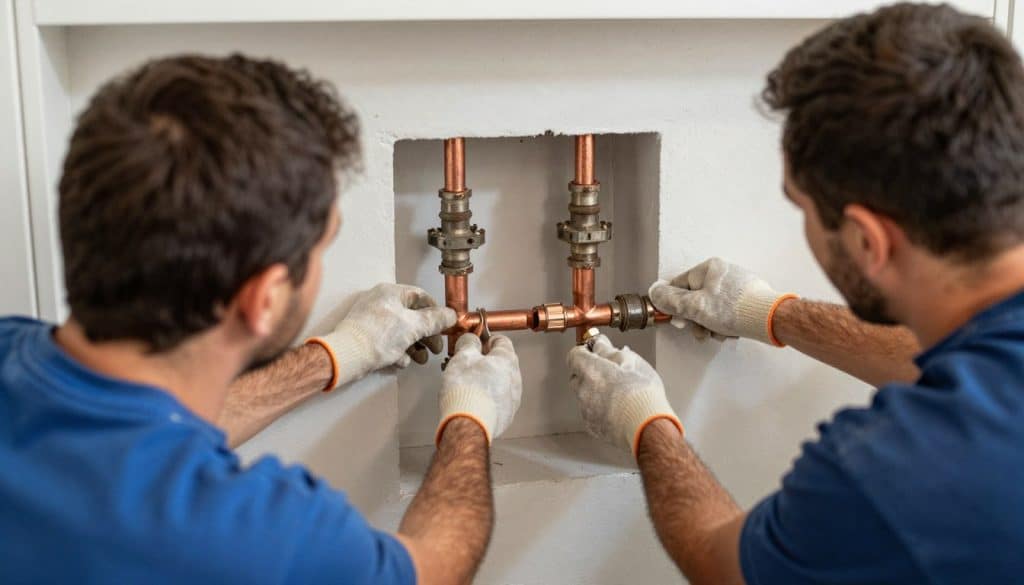
Start each repair with a calm, step-by-step approach that protects your home and family. Begin with the gentlest option and move up only if the clog won’t clear. This reduces heat and chemical exposure to PVC and lowers the chance of costly damage.
Try a plunger first
A plunger often frees obstructions near the trap without chemicals. Never plunge after adding product; splash-back can cause severe injury.
Follow label instructions exactly
Read the product directions and honor dwell times measured in minutes. Leaving product longer can soften or warp PVC and increase the risk of permanent damage.
Ventilation and PPE
Work in a well-ventilated space and wear gloves and eye protection. These simple steps prevent splash-back injuries and reduce inhalation of fumes.
Never mix products
Do not combine chemical drain treatments or mix them with other cleaners. Mixing can release toxic gas or trigger violent reactions.
Flush thoroughly
After the process, flush per label guidance using the recommended water temperature. Proper flushing removes residue without stressing joints and connections.
Toilet warning
For toilets, avoid chemical drain use. Choose a plunger, toilet auger, or enzyme option instead to protect porcelain and seals.
- Quick tips: plunger first, follow instructions, ventilate, don’t mix chemicals, flush well.
We care about your family and home. If a clog won’t clear after a safe attempt, call J Sewer & Drain Plumbing Inc. at (773) 968-2704. We’re available 24 hours Monday–Saturday to prevent further damage and restore safe operation to your PVC drains.
DIY alternatives that are often safer for PVC drains
Small, low-risk fixes at home often clear many blockages without harsh chemicals. Start with gentle methods and only advance if the issue persists. That protects joints and keeps repairs simple.
Dish soap and hot water for light grease buildup
Mix a tablespoon of dish soap with a kettle of warm water and pour slowly into the affected drain. This method helps dissolve light grease and aids routine cleaning.
Use this only for mild slow flow; it won’t move solid blockages or compacted material.
Disposable “Zip-it” tools and basic snakes for hair clogs
Zip-it style plastic tools and short hand snakes pull hair and debris near the trap quickly. They are low-cost, easy, and limit chemical exposure to your piping.
Removing the trap and when a hose bladder helps
If tools can’t reach the clog, remove the trap and clean it by hand. Check washers and fittings, then reassemble carefully to avoid leaks.
A hose bladder can push obstructions forward but stop if resistance increases; pushing debris deeper risks larger blockages. When multiple fixtures are slow or clogs recur, call our professionals for safe service.
- Quick tips: try soap and warm water first.
- Use zip-it tools or a snake for trap-area hair.
- Remove the trap or call professionals if problems persist.
Conclusion
Protecting plastic lines starts with a calm, stepwise approach to clearing blockages. Start with a plunger or manual tool, use enzyme options for organic matter, and reserve chemical drain cleaners for specific, label-directed cases.
Heat from harsh reactions can soften or warp plastic, so never mix products and follow dwell times exactly. Hot water flushing helps light grease, but avoid boiling water.
If blockages recur, multiple fixtures slow, or you suspect deeper system damage, call an expert. We’re a family-owned, two-generation Chicago team since 2017 and treat every customer like family.
Contact J Sewer & Drain Plumbing Inc. 24 hours Monday–Saturday at (773) 968-2704 or jsewerdrainplumbing@gmail.com. Visit us at 3343 N Monticello Ave, 3017 N Elston Ave, Chicago, IL 60618, or 809 Ridge Rd, Wilmette, IL 60091.