
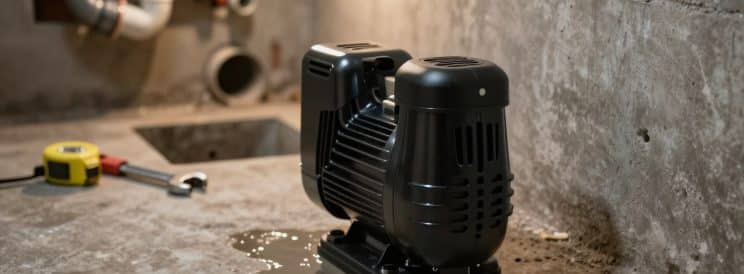
Wondering how much the sump pump installation costs to protect your basement from water damage—and whether the price is worth the peace of mind?
Welcome to J Sewer & Drain Plumbing Inc., your family-owned plumbing ally in Chicago. We began in 2017 as a two-generation effort and treat every customer like family. We serve Chicago and nearby areas, Monday through Saturday, 24 hours. Call (773) 231-8869 or email [email protected].
In plain terms, a sump unit keeps the lowest parts of your home dry by moving water away from foundations. That matters a lot in our Midwest weather, where heavy rains and melting snow test basements every year.
In this guide, we set expectations for local pricing and help you budget with clear, upfront info. We preview the main drivers: unit type, pit condition, discharge routing, electrical needs, and backup options. Real pricing varies with your basement layout and existing drainage.
We focus on protecting your property, your time, and your peace of mind—not selling features you don’t need. Use this guide to compare quotes and ask better questions before you approve work.
Key Takeaways
- We explain local pricing so you can budget with confidence.
- A unit protects your lowest spaces from water damage.
- Main price drivers include unit type, pit, routing, and power needs.
- Final quotes depend on your basement and existing drainage layout.
- Our family-first approach prioritizes protection, not upsells.
What Chicago homeowners should expect to pay for sump pump installation today
Before you sign a quote, it’s helpful to see how national ranges translate to Chicago jobs. National totals commonly range from about $500 to $4,000, with a typical average near $1,400. Urban labor markets and local codes can push Chicago prices roughly 10–30% higher than rural baselines.
New work vs. a simple replacement: A full new setup often needs pit prep, slab work, and longer discharge runs. That raises labor and materials. A simple swap, when a pit and discharge already exist, usually sits at the lower end of available brackets.
Practical budget brackets
- Lower-end swaps: around $500–$900 — reuse the pit and plumbing.
- Mid-range installs: roughly $900–$2,000 — new unit, modest pit work.
- High-complexity builds: $2,000–$4,000+ — slab cutting, long discharge, or backups added.
Remember, the real value is avoiding water damage and related repair work like mold remediation and foundation stress. Later sections will break down the main factors—unit type, backup, pit condition, and discharge path—so you can compare quotes with confidence.
Sump pump installation cost in Chicago, IL: a real-world price breakdown
To make sense of local quotes, we break a typical Chicago estimate into clear line items so you can see where money goes. Below we show typical unit pricing, labor norms, and common materials that change totals.
Sump unit pricing by quality
Unit pricing and features
Basic pedestal units often start near $150–$400, while submersible models commonly sit between $300–$900. Higher horsepower, stainless components, alarms, or smart monitoring can push a unit toward $1,500.
Labor and hourly rates
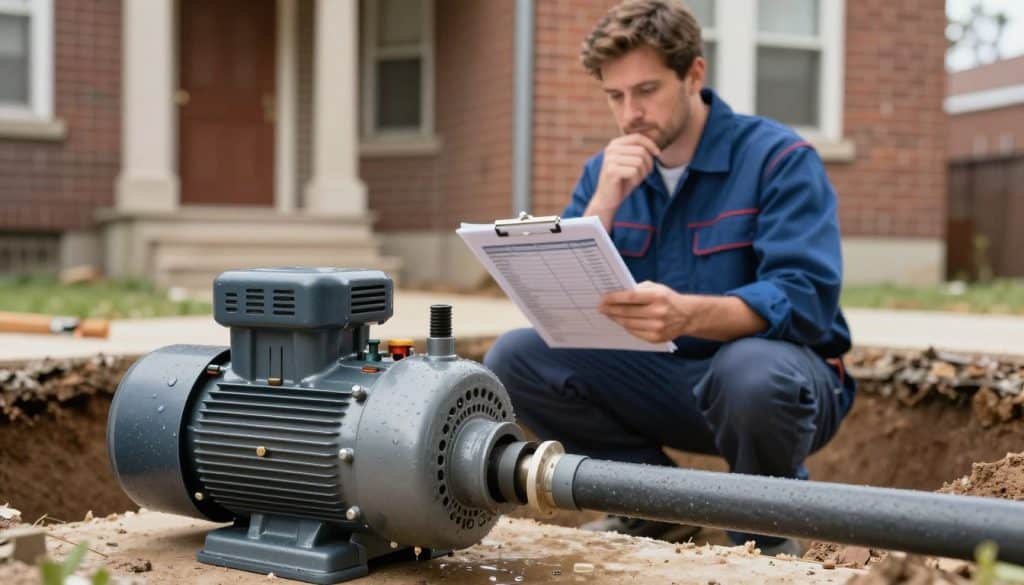
Labor usually runs $300–$800 for a typical job. Hourly rates vary; expect $45–$150 per hour depending on scope and emergency calls. A longer job raises labor totals more than equipment alone.
Materials that change totals
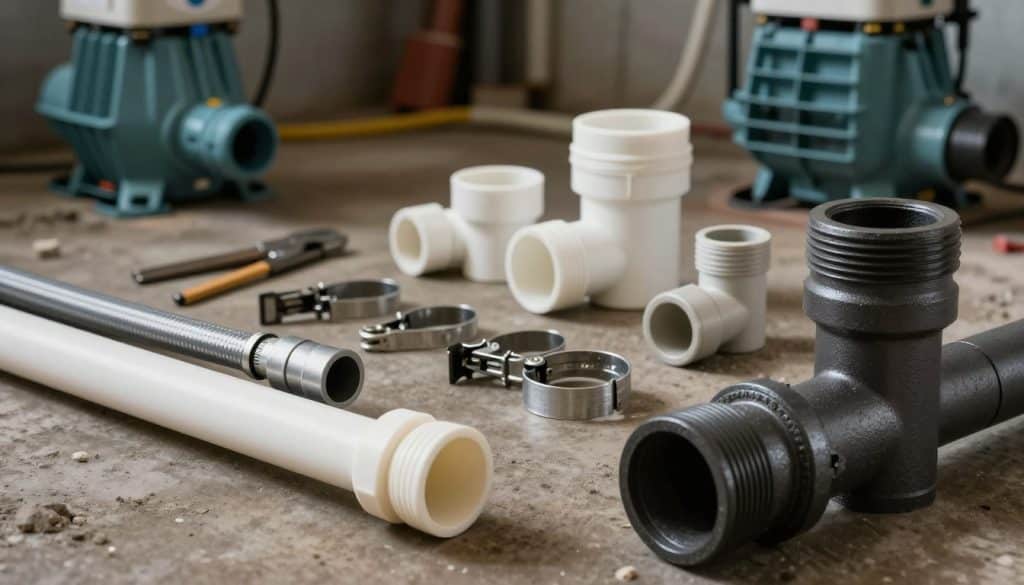
Common items that affect final price include check valves, fittings, discharge pipe, adapters, and basin components. Reusing an existing pit and plumbing keeps replacement totals lower.
- Typical new installations: $500–$4,000 all-in.
- Typical replacements: $350–$1,000 when infrastructure is reusable.
- Transparency: we itemize equipment, labor, and materials so you can compare quotes fairly.
Choosing the right sump pump type for your home and budget
The right unit depends on how often water enters your basement, how much noise you’ll tolerate, and how involved you want regular service to be. We want you to match performance to real risk, not just pick the cheapest option.
Pedestal options
Pedestal designs: lower price point and easy service
Pedestal units sit above the basin, with the motor out of the water. That makes them simpler to access for routine checks and repairs.
They tend to have long lifespans — often up to 30 years — and work well for lighter water loads and occasional flooding.
Submersible choices
Submersible models: quiet operation and higher performance
Submersible units operate underwater and are much quieter. They move larger volumes of water and handle heavier inflow during storms.
Expect shorter lifespans — typically 5–15 years — but stronger performance where frequent or heavy water events occur.
Durability and long-term ownership
Think beyond upfront prices. A pedestal unit can lower long-term service time. A submersible unit may lower risk of water damage in a high-flow basement.
- Match type to risk: light, infrequent water → pedestal.
- High flow or noisy neighbors: submersible for quiet, heavy-duty work.
- Maintenance comfort: choose easier access if you prefer DIY checks.
Installation complexity and site conditions that drive the final price
Site conditions and job complexity shape the final price far more than the unit alone. We inspect the area first, because what we find often changes the scope of work and labor needed.
Existing basin vs digging a new pit
The condition of your existing pit determines whether we can reuse it or must rebuild a sump pit. Reuse keeps the job simpler and lowers labor time.
When a basin isn’t present, digging and lining is required. That work includes safe removal, setting a liner, leveling, and testing to ensure reliable performance.
Why concrete slab work is a major jump
Cutting or drilling through a concrete slab or foundation adds significant time and tooling. It often increases totals far more than a basic basin job.
Expect more dust control, structural checks, and cleanup when slab work is needed. Common ranges for that work are much higher than simple basin labor.
Access, crawl spaces, and tight basements
Tight basements or a basement crawl space slow crews and raise labor. Low clearance, stairs, or narrow routes turn a quick job into a complex one.
Drainage layout and discharge distance
Pumping up and out, long runs, or tricky routing to a safe discharge point add hours and materials. We plan routes that keep water away from the foundation.
- Key factors: pit condition, slab work, access, and discharge routing.
- Typical basin labor: often cited at $500–$1,200 for digging and lining.
- Major slab work: can jump to roughly $2,500–$5,000 depending on scope.
Spending on proper site prep protects your basement from repeat water damage. We focus on durable work that prevents future damage and saves you money over time.
How your installation location changes the cost
Where you place the system in your home changes both the work and the final price. Different areas bring distinct challenges and labor needs. We’ll compare typical Chicago ranges so you can set realistic expectations.
Basement ranges and common challenges
Basement installs commonly run $800–$2,000 in our area. Basements often cost more because concrete cutting, drainage tie-ins, and routing through walls or rim joists add time and materials.
Tighter access, slab repair, or long discharge runs raise the total. We prioritize routes that protect your foundation and keep water away from living spaces.
Crawl space: when it’s simpler — and when it’s not
Crawl space jobs usually sit between $650–$1,500. When the area is unfinished with dirt or gravel, crews move faster and pricing drops.
Limited headroom, moisture, or no nearby power make work harder and can push costs higher. We evaluate access and ventilation before quoting.
Garage and outdoor placements: pros, cons, and ranges
Garage installs typically range $800–$1,800; outdoor systems often run $900–$1,400. These spots are useful when basements are tight or routing is easier.
Outdoor placements bring freeze risk and longer discharge lines. We weigh performance for your home’s water entry points, not just where a unit fits.
- Compare ranges: basement $800–$2,000; crawl space $650–$1,500; garage $800–$1,800; outdoors $900–$1,400.
- Decide by performance: choose a location that protects the structure and handles local water patterns.
Power source and backup options that impact system price
How a system gets power makes a big difference when storms knock out electricity. Your selection affects reliability during outages, and it changes the overall price and labor time for any setup.
Primary electric systems are the standard choice. They range from about $80 to $1,000 for the unit itself.
Primary electric systems
We check the circuit, GFCI protection, and a dedicated outlet to ensure safe, dependable operation. A proper electrical hookup reduces failure risk and keeps daily running costs low.
Battery backup add-ons and combo systems
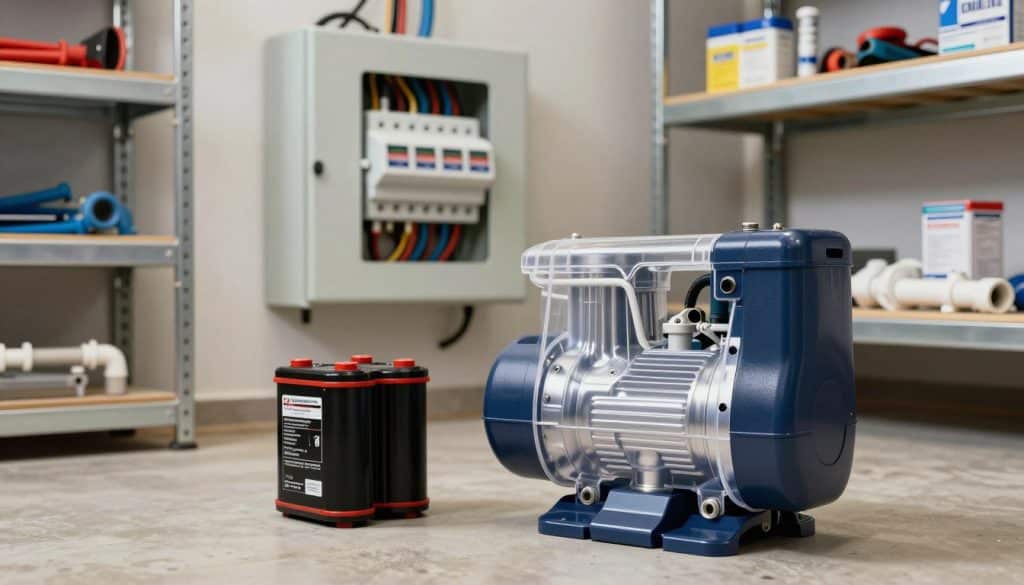
Battery backups add peace of mind when power fails. Standalone battery units typically sit between $150–$250, while combos with a main unit range $150–$2,000.
- Who needs them: finished basements or homes that flood quickly.
- What changes: extra battery housing, charging hardware, and periodic battery checks mean modest added labor and time.
Water-powered backup options
Water-powered backups cost about $200–$900. They use municipal water pressure, so they work during power loss but need compatible plumbing and sufficient line pressure.
They are best when outages are common and you have reliable water pressure. Expect extra labor to tie into the home’s water supply.
Choosing the right backup comes down to risk and budget. If your basement floods rapidly or is finished, we generally recommend at least a battery backup. For lower risk areas, a primary electric unit may suffice.
- Decision tips: match backup level to flooding history and how quickly water rises.
- Value: prioritize protection and peace of mind over unnecessary upgrades.
New installation vs replacement vs repair: which option is most cost-effective?
A practical decision blends equipment age, the frequency of failures, and the value of avoiding water damage. We help you weigh short-term savings against long-term reliability so your basement stays protected.
Replacement: when reusing the pit and plumbing makes sense
Replacement is often the best value when the existing pit, discharge plumbing, and electrical feed are sound. Typical replacement ranges run about $350–$1,000, though complex jobs can reach $1,500–$2,000.
Reusing the pit cuts labor and downtime. That means less demolition and fewer materials, so you pay mainly for the unit and on-site labor.
Repair: common fixes and what they involve
Many problems need simple on-site work. Typical repair ranges are $150–$500. Common repairs include float switch adjustments, check valve swaps, and clearing clogs.
Repairs usually take less time and let you delay a full replacement when the unit is otherwise reliable.
Red flags that point to a new unit
- Repeated cycling or frequent failures over months.
- Unusual noises, corrosion, or water inside the motor housing.
- Chronic underperformance despite recent repairs.
- Finished basements, where the risk of water damage is high.
How we decide: if failures are isolated, repair first. If the unit is old or signs repeat, replacement or a new sump pump system protects your home better long term. We explain labor and parts so you know what to expect before any work begins.
Common add-ons that raise or lower the pump installation cost
Extra items and upgrades can easily shift a straightforward quote into a larger project. We walk through the usual add-ons so you can spot what’s optional and what’s needed for safe, long-term protection.
Discharge routing choices
Above-ground routing vs buried lines
Above-ground discharge runs often fall between $150–$400 and are fast to install. They work well for short runs but add freeze risk in colder months.
Burying the line reduces freeze exposure and looks cleaner, but prices can range from about $250 up to $2,000 depending on trenching, yard grading, and distance.
When French drains or new drains are needed
When water enters broadly, adding a French drain (often $2,800–$6,500) or similar drainage can be the real solution. These systems change the scope and prevent repeated damage better than a single unit alone.
Removal and cleanup fees
Disposal, cleanup, and site prep
Old-unit removal and debris hauling typically add $100–$500. Environmental or disposal fees may add $50–$200, and furniture moving can add another $50–$200 depending on site conditions.
- Scope control: prioritize upgrades that stop water from returning, not cosmetic extras.
- Ask for line-item estimates so labor, materials, and disposal are clear before you approve work.
How to save money without risking basement flooding
Saving money starts with matching equipment to real risk and making the worksite easy for crews. We focus on practical choices that cut unnecessary labor and protect your home from water damage.
When a pedestal option is the smarter budget pick
Pedestal units are often the best value for light, infrequent water entry. They are simple to service, use less time on site, and usually come with lower upfront price and maintenance demands.
Choose a pedestal when your basement sees occasional moisture, not heavy flows. For higher-risk basements, invest in a higher-performance model to avoid repeat damage.
How prep work can reduce labor time
Clearing the area before we arrive speeds the job and lowers labor hours. Remove stored items, lift rugs, and keep pathways clear to the worksite.
Also dry the space if possible and note nearby outlets. These simple steps shrink the time crews need and can trim the final price.
Balancing short-term price vs long-term reliability
Lowest bids can cost more later if a unit fails. Consider warranty, serviceability, and expected lifespan when you compare bids.
- Protect first: prioritize reliability over tiny savings.
- Prep well: reduce labor and avoid surprises on site.
- Plan long-term: factor in service and repairs, not just initial price.
Final thought: We want you to feel confident and in control. Smart prep, the right equipment, and a clear plan help save money while keeping your basement safe.
Why Chicago-area homeowners choose J Sewer & Drain Plumbing for sump pump installation
Reliable protection for your lowest level starts with a contractor who knows the area. We are J Sewer & Drain Plumbing Inc., a family-owned, two-generation company serving Chicago since 2017.
Family-first service you can trust
We treat every job like family. Plumbing is our passion, not just a job. That means clear communication, honest pricing, and work focused on long-term performance.
Service area, availability, and accurate estimates
We serve Chicago and nearby areas, Monday–Saturday, 24 hours. To give an accurate estimate we need photos, existing pit details, discharge routing, and power availability. Providing those up front protects your budget and shortens on-site time.
Contact and locations
Call us at (773) 231-8869 or email [email protected] for fast scheduling. Offices:
- Chicago Office: 3343 N Monticello Ave, Chicago, IL 60618
- Wilmette Office: 809 Ridge Rd, Wilmette, IL 60091
- New Location: 3017 N Elston Ave, Chicago, IL 60618
We focus on safe setup, proper discharge routing, dependable backup options, and honest labor estimates. Our caregiver promise: reduce your stress, communicate clearly, and protect your home and peace of mind.
Conclusion
A clear plan that weighs unit type, pit condition, discharge routing, and backup power keeps your basement protected.
Typical ranges in this guide show lower replacement totals when an existing sump pit and plumbing are reusable, and higher totals when a new sump pump requires slab or prep work.
Focus on the main factors—pump type, pit work, routing, and backup—when you compare estimates. Prioritize scope and reliability over the lowest price to avoid repeat water events.
For a transparent, Chicago-area assessment, contact J Sewer & Drain Plumbing Inc. We’ll review your site, explain expected costs, and help you choose the right plan to protect your home.
FAQ
What should Chicago homeowners expect to pay for a new sump pump installation today?
Prices vary by equipment quality, site complexity, and labor. For a straightforward in-basement job with a standard submersible unit, homeowners in Chicago typically see a mid-range total. Jobs that require cutting concrete, digging a new pit, or adding long discharge runs increase the final price. We recommend getting an on-site estimate from J Sewer & Drain Plumbing Inc. so you know exactly what your home needs.
How does a full new system installation compare with a simple swap of an existing unit?
A simple swap—removing an old unit and putting in a like-for-like replacement—usually costs less because the pit, discharge piping, and wiring remain. A full system install that includes creating a new pit, liners, or rerouting drainage is more labor- and material-intensive, and will be reflected in a higher quote. We’ll inspect whether reusing existing components is safe and cost-effective for your property.
Why should I view this work as a water-damage investment instead of just a basement upgrade?
Proper protection prevents costly basement flooding, mold, and structural damage. Installing a reliable system reduces the risk of expensive repairs later, protects belongings, and preserves home value. We approach each job with an eye toward long-term protection for your family and home.
What are the unit price differences by quality and features?
Basic pedestal units are the lowest-priced option, while mid- to high-end submersible models cost more because they offer quieter operation, higher flow rates, and corrosion resistance. Features like stainless steel housings, superior impellers, and built-in alarms increase the upfront price but often lower lifetime expenses through durability.
How do labor rates and hour estimates affect my quote?
Labor reflects the crew’s hourly rate, job duration, and required specialties—concrete cutting, plumbing, and electrical work add time. Tight basements or difficult access slow the job and raise labor hours. We provide transparent breakdowns so you see how labor contributes to the total.
Which materials most commonly change the final price?
Common cost drivers include the type and length of discharge piping, check valves, pit liners, riser kits, and electrical components like dedicated circuits or alarms. Upgrading to heavier-duty materials or burying discharge lines increases material and labor charges.
What typical total ranges should I expect for new installs versus replacements?
Expect lower totals for straightforward replacements and higher totals for installs that need new pits, concrete work, or long discharge routes. Exact figures depend on on-site conditions; we offer free estimates in the Chicago area to provide accurate numbers for your situation.
When is a pedestal system the right choice for my house?
Pedestal units suit shallow pits, limited budgets, or locations where quick access for maintenance matters. They cost less and are easier to service but tend to be noisier and less efficient for heavy, continuous pumping demands.
What are the advantages of submersible models for Chicago basements?
Submersible systems run quieter, sit inside the pit, and handle higher flow with better sealing against moisture. For frequent heavy storms or homes with higher water tables, these units often deliver better long-term protection and lower repair rates.
How does digging a new pit or adding a liner affect price?
Excavating a pit and installing a liner requires concrete cutting, removal of material, and precise sealing—each step raises labor and disposal costs. If the existing pit is usable, reusing it saves time and money. We evaluate structural conditions before recommending excavation.
Why can cutting a concrete slab be the biggest cost increase?
Cutting, coring, and repairing a slab demand specialized tools and time, plus concrete disposal and finishing. When a job requires this work, material and labor costs climb. We present options so you understand the trade-offs between invasive and non-invasive solutions.
How do access issues in basements and crawl spaces change the job scope?
Tight access slows crews, requires special equipment, and can mean more labor hours. Crawl space installs can be simpler if there’s safe access, but poor clearance or uneven surfaces add complexity. We plan jobs around safety and efficiency to minimize disruption and cost.
How does discharge distance and layout affect installation pricing?
Longer runs, uphill routing, or burying lines require more piping, fittings, and possibly permits. Each additional foot of routing adds material and labor, and uphill pumping may need higher-capacity equipment. We design discharge paths to meet codes while optimizing cost.
How do installation locations—basement vs crawl space vs garage—change price?
Basements often involve concrete work and longer discharge runs; crawl spaces may avoid slab cutting but present access challenges; garage or outdoor installs can be cheaper when plumbing and discharge are accessible. We assess which location gives the best balance of price, performance, and ease of service.
What backup power options are available and how do they affect the total?
Primary systems run on household electricity. Battery backups add protection during outages and typically raise the project price; combo electric-plus-battery systems provide automatic switchover. Water-powered backups avoid batteries but require reliable municipal water supply and higher initial costs. We’ll advise on the right backup for your flood risk and budget.
When is it better to replace rather than repair an existing unit?
Frequent repairs, age over 7–10 years, corrosion, or recurring failures suggest replacement. Reusing a stable pit and plumbing reduces replacement cost, but we’ll recommend replacement when it offers greater reliability and lower long-term expense.
What common repairs do homeowners face and how expensive are they?
Typical fixes include float-switch replacements, check-valve swaps, motor rebuilds, and clearing clogs. These are usually less expensive than full replacements but can add up if recurring. We diagnose root causes to prevent repeat service calls.
What add-ons commonly raise or lower the project price?
Buried discharge versus above-ground piping, adding a French drain, installing alarms, or removing old equipment all affect the scope. Some investments—like proper discharge routing or alarms—reduce future repair and damage costs, so they can save money over time.
How can I save money without increasing flood risk?
Choose the right type for your needs—pedestal for light-duty, submersible for heavier demands—clear the work area beforehand to reduce labor time, and opt for necessary, durable components rather than the cheapest parts. We’ll help you balance initial price with long-term reliability.
Why should Chicago homeowners choose J Sewer & Drain Plumbing Inc. for this work?
We’re a family-owned, two-generation company serving Chicago since 2017, focused on transparent estimates, licensed workmanship, and protecting homes from water damage. Our crews understand local basements, permit needs, and weather patterns, and we provide clear timelines and fair pricing for each job.
How do I get an accurate estimate and schedule service?
Contact J Sewer & Drain Plumbing Inc. for an on-site inspection. We assess pit condition, discharge options, power needs, and access, then provide a detailed written quote. We serve Chicago and nearby neighborhoods and can often schedule quickly to protect your home.