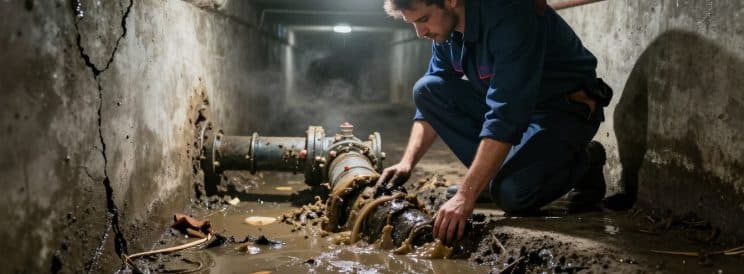
Have you noticed water rising from a drain and wondered how fast it could get worse?
Welcome to J Sewer & Drain Plumbing Inc., your family-owned, two-generation plumbing ally in Chicago, IL. We treat every customer like family and respond with care and skill.
When sewage is backing up into your home through drains or toilets, it creates a fast health hazard and can cause costly damage. Our guide explains what a sewer backup looks like, common causes in Chicago, and the steps you can take right away to limit harm.
We act with urgency but without panic. A small backup can grow once fixtures run, so quick action matters. Call (773) 968-2704 or email jsewerdrainplumbing@gmail.com to schedule and feel confident in your home.
We serve Chicago and nearby areas, Monday to Saturday, 24 hours. Offices: 3343 N Monticello Ave, 3017 N Elston Ave, Chicago, IL; 809 Ridge Rd, Wilmette, IL. Our approach: diagnose the cause, clear the line, and repair or replace components when needed to prevent repeat issues.
Key Takeaways
- Recognize early signs and act quickly to protect your home.
- We are a family-owned team serving Chicago and nearby areas.
- Contact us 24 hours, Monday–Saturday at (773) 968-2704 or jsewerdrainplumbing@gmail.com.
- Solutions include diagnosis, line clearing, and repairs to stop recurring problems.
- We prioritize safety, transparency, and treating your household like our own.
What a Sewer Backup Means for Your Home and Plumbing System
A sewer backup forces wastewater to flow the wrong way, and that reversal can threaten your home fast.
Plain meaning: A backup happens when wastewater cannot move through the sewer system, so it pushes back through the lowest openings in your house. That often shows first at a basement floor drain, a shower, or a toilet.
Why this happens now: when the main line is blocked or overloaded, any extra water has nowhere to go. Pressure rises and forces contaminated water into living spaces, sometimes within minutes.
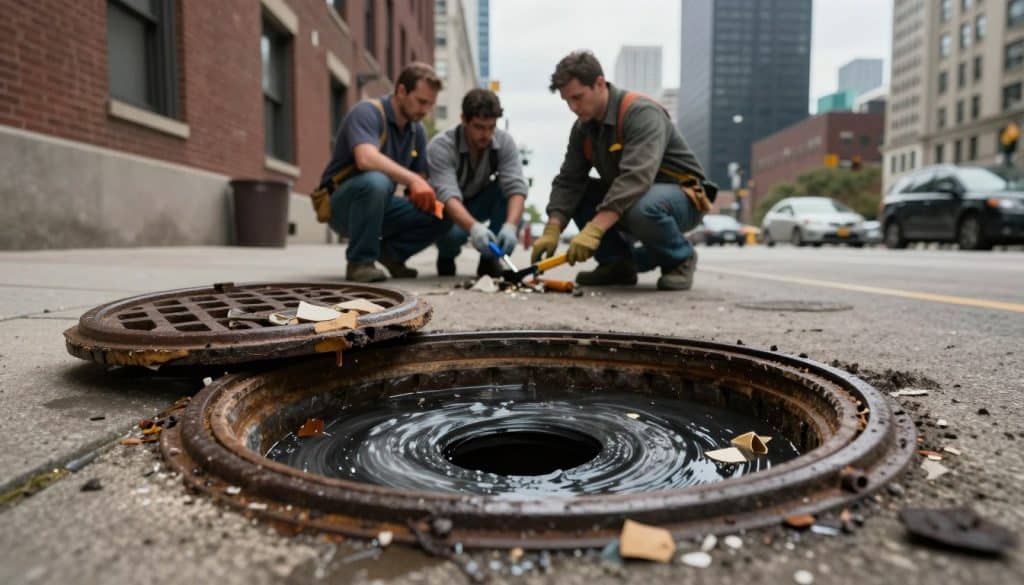
How reverse flow reaches your fixtures
A toilet can bubble or surge when pressure rises in the line. Floor drains often overflow first because they sit lower than other fittings.
Contaminated water can travel through multiple drains, affecting more than one room and increasing cleanup needs.
- Health risk: Contaminants may carry bacteria, viruses, and parasites that affect skin, air, and porous surfaces.
- Property damage: Flooring, drywall, and stored items can soak, and the longer water sits, the harder it is to restore.
- Assume worst: Even murky water should be treated like contaminated until a pro tests and clears it.
Understanding the cause—roots, grease, municipal overload, or broken pipe—helps us pick the safest, most effective fix for your family and property in Chicago and nearby areas.
Common Causes of Sewer Backups in Chicago, IL and Nearby Areas
In Chicago, many blockages develop slowly, giving clues if you know where to look. When flow declines, the cause often falls into a few familiar categories that we see on service calls.
Tree root intrusion
Tree roots seek moisture and enter tiny cracks at joints. Once inside, roots expand and trap debris, creating repeat clogs until roots are removed and the pipe repaired.
Grease, fats, and oils
Grease cools and hardens along pipe walls. Over months it narrows the passage and catches solids, slowly turning normal use into a persistent problem.
Non-biodegradable items
“Flushable” wipes, feminine products, and other items fail to break down. They snag and combine with grease to form stubborn clogs in a single line or the main sewer connection.
- Aging pipes: clay, cast iron, or older materials can crack, corrode, or collapse.
- Storm stress: heavy rainfall may overload municipal sewer systems and push water toward properties.
- Improper connections: sump pumps or downspouts tied into the sewer can dump large volumes during storms.
Spotting the likely cause helps us arrive prepared. Call us when you notice reduced flow or odd sounds, and we’ll recommend the best next step to protect your home.
Signs Your Sewer Line Is in Trouble Before a Full Backup
Small changes in your plumbing often warn of a larger problem. Spotting these signs early helps protect your home and save money on repairs.
Multiple drains clogging vs a single slow drain
One slow drain usually points to a local clog in that fixture or trap.
Several drains slowing at once often signals a main line restriction and can lead to a whole-home backup. Call us when multiple fixtures show reduced flow.
Gurgling noises, trapped air, and toilet bubbling
Gurgling or bubbling in toilets and drains happens when trapped air moves through a partially blocked pipe. These sounds mean pressure is changing and a professional inspection is wise.
Foul odors indoors or around the yard
Persistent bad smells near a drain, cleanout, or in the yard can show waste build-up, vent trouble, or a leaking pipe. Treat these odors as a warning, not a nuisance.
Water rise in showers or tubs when other fixtures run
If water backs into a tub or shower when you flush a toilet or run another sink, the problem sits deeper in the line. That scenario needs a pro to diagnose and clear the blockage.
- Wet spots, standing water, or unusually lush grass over a line may mean a leaking pipe.
- Document which drains, toilets, or yard areas show symptoms and when they began.
- Early notice helps us find debris, blockages, or pipe damage faster and restore normal flow.
We serve Chicago, IL and nearby areas. If you notice any of these signs, call us for a safe, professional diagnosis before issues worsen.
When Sewage Is Backing Up: What to Do Immediately
If water and waste begin to rise in your drains, act quickly and calmly. First, stop using every fixture in the house. Don’t flush, run the dishwasher, or start the washing machine. This simple step prevents more water from pushing into the blocked pipe.
Next, reduce electrical hazards. If water nears outlets, appliances, or the panel, shut off power to affected areas or the main if needed. Turn power off only from dry ground or call for help if you’re unsure.
Limit exposure: Keep people and pets away from contaminated spaces. Close doors and tape or block access to protect clean areas of your home and reduce health risk.
- Wear gloves, rubber boots, eye protection, an N95 mask, and disposable coveralls if you must enter briefly.
- Avoid chemical drain cleaners—those can worsen the problem and create hazards for our technicians during repair.
- Call us immediately if multiple fixtures show trouble, water is rising, or any waste is visible.
Contact J Sewer & Drain Plumbing Inc. We’re family-owned in Chicago, open Monday–Saturday 24 hours. Call (773) 968-2704 or email jsewerdrainplumbing@gmail.com for urgent plumbing help. We’ll stop the backup, diagnose the problem, and guide safe repair to limit damage and protect your family.
Main Sewer Line Backup vs Secondary Drain Backup
Spotting whether a clog is local or whole-home helps you choose the safest next step. We explain the difference simply, so you can act without guesswork.
How main sewer problems show and why they’re worse
A main sewer line problem affects many fixtures at once. You’ll see multiple drains slow, lowest fixtures overflow, or a basement floor drain or shower back when you run a toilet or sink.
- Multiple fixtures: several rooms show trouble at once.
- Lowest points first: floor drains or basement drains react before upstairs fixtures.
- Higher risk: more wastewater and contamination mean faster damage.
How secondary backups behave
Secondary line clogs stay local. One bathroom, one sink, or one shower runs slow or stops. These problems often respond to basic tools and do not affect the whole house.
When a plunger or snake makes sense — and when to stop
Try a plunger for a single slow fixture. A handheld drain snake can clear minor clogs quickly. Stop and call us if resistance lasts, symptoms spread, or any sign points to the main sewer line. Running water during a suspected main-line event can worsen a sewer backup and increase cleanup needs.
For main sewer questions or a safe diagnosis in Chicago, IL and nearby areas, we’ll inspect and advise the right next step.
How Pros Diagnose and Fix Sewer Backups Safely
When a drain or toilet shows trouble, our first step is a careful inspection to see what’s really inside the pipe. We don’t guess; we confirm the cause so the repair matches the problem.
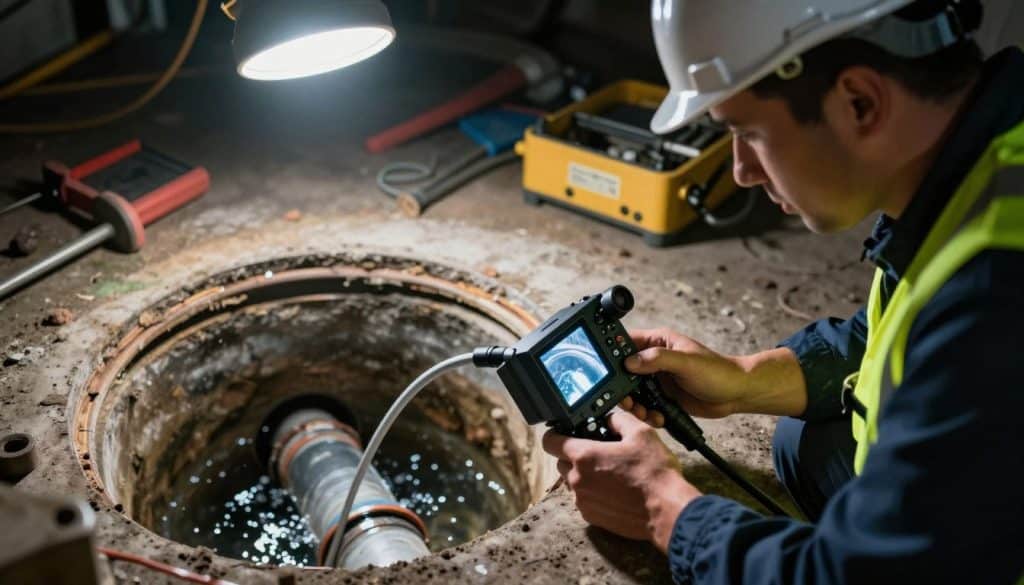
Video pipe inspections to find blockages, breaks, and root intrusion
Video inspections give real-time visuals of the sewer line. Cameras locate blockages, cracks, and root intrusion while reducing unnecessary digging.
Snaking and mechanical clearing for soft clogs and debris
Snaking clears soft clogs and retrieves debris from local drains and short sections of pipe. It’s fast and effective for many routine issues.
For recurring problems caused by roots or heavy grease, snaking may only be a temporary fix. We’ll explain next steps if that’s the case.
Hydro jetting to remove grease buildup and stubborn sewer line blockages
Hydro jetting uses high-pressure water to scour pipe walls and restore full flow. It removes grease, sludge, and tough buildup.
We inspect pipe condition first, since older or damaged pipes may need a different approach to avoid further damage.
Pipe relining for damaged pipes without full excavation
Relining installs a resin liner to form a new pipe within the old one. It seals cracks, stops leaks, and restores strength without heavy excavation.
Full sewer line replacement when pipes have collapsed or failed
When pipes have collapsed or cannot be reliably repaired, full replacement becomes the safest long-term solution. We plan access, timeline, and cleanup to protect your property.
- We explain our approach: confirm findings, recommend durable repair, and protect your home and health.
- We prioritize safety: proper gear, clear communication, and solutions that prevent repeat sewer backups.
- Family-owned service: in Chicago, we stand behind honest diagnosis and lasting repairs so your system runs right.
Preventing Future Sewer Backups with Maintenance and Smart Habits
Routine care and smart choices around your yard and kitchen keep lines clear and families safe. Small steps often cost less than an emergency call and protect your home from bigger harm.
Regular inspections to catch issues early
Schedule annual sewer inspections to spot buildup, small cracks, or recurring root intrusion before they become a major problem. Video inspections find trouble with minimal disruption.
Proper waste disposal to protect drains and lines
Never flush wipes, diapers, or hygiene products. Pour grease into a container and toss it in the trash. Use sink strainers to stop food and debris from reaching the drain.
Root control and landscaping near sewer lines
Keep trees at a safe distance from your sewer line. If roots have caused issues, consider barriers or targeted root-removal services to protect pipes long term.
Backflow prevention during municipal overloads
Installing a backflow preventer helps reduce the risk that municipal water pushes wastewater into your plumbing during heavy storms.
- Watch for early signs: slow drains, gurgling toilets, or yard wet spots.
- Routine care: inspections, enzyme maintenance, and good disposal habits.
- Act early: fixing small problems prevents repeated sewer backups.
If you notice any warning signs, call us. We’ll schedule an inspection, explain options, and help keep your plumbing safe in Chicago and nearby areas.
Conclusion
Stopping damage starts with simple steps you can take right away and a pro by your side.
When wastewater threatens living spaces, fast action protects your family and property. Stop using water, keep people and pets away from affected areas, and call a trained technician for a safe diagnosis. Video inspection and targeted repair prevent repeat problems and limit contamination and damage.
Many incidents are preventable with routine care, smart disposal, and early attention to gurgling, odors, or slow drains. We arrive prepared, explain findings, and recommend the most practical long-term solution.
J Sewer & Drain Plumbing Inc., family-owned since 2017 and two-generation, proudly serves Chicago, IL and nearby areas. Open Monday–Saturday, 24 hours. Call (773) 968-2704 or email jsewerdrainplumbing@gmail.com. Locations: 3343 N Monticello Ave, Chicago, IL 60618; 3017 N Elston Ave, Chicago, IL 60618; 809 Ridge Rd, Wilmette, IL 60091.