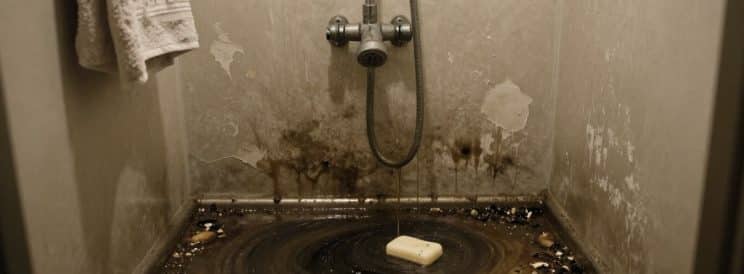
It’s alarming to spot raw sewage near your shower, and we know that fear hits hard for homeowners. This situation poses health risks from bacteria and other contaminants, so taking calm, correct steps is vital. If you’re dealing with a sewage backup in shower, J Sewer & Drain is ready to respond fast with expert solutions to protect your home and health.
We’ll explain what this often means, what to do right away, and when to call for professional plumbing help. Our goal is simple: protect your household first, then restore your home safely.
J Sewer & Drain Plumbing Inc. is a family-owned, two-generation team serving Chicago, IL and nearby areas since 2017. We treat every customer like family and prioritize clear communication and lasting fixes.
Call us anytime Monday through Saturday—24 hours—at (773) 968-2704 or email jsewerdrainplumbing@gmail.com. Visit our offices at: 3343 N Monticello Ave, 3017 N Elston Ave, Chicago, IL; 809 Ridge Rd, Wilmette, IL.
Key Takeaways
- Seeing sewage near your shower is a health risk; protect people first.
- Quick, correct actions can limit damage and exposure.
- Common causes range from clogs to main-line issues and heavy rain.
- We offer fast, family-focused plumbing service across Chicago.
- Call (773) 968-2704 or email jsewerdrainplumbing@gmail.com for immediate help.
Why sewage is backing up into your shower and why it’s an emergency
A sudden flow of contaminated water into a low drain tells us the main sewer line is struggling to move wastewater away. All fixtures — sink, tub, and toilet — connect to one shared pipe that leads to the city line. When that path clogs, wastewater has nowhere to go and can surface at the lowest point.
How your plumbing links fixtures to the city line
Your plumbing system ties the shower and toilet into one branch that feeds the main sewer. One blockage can show up in a different fixture, so an issue at the main sewer often first appears in low drains.
Health concerns from raw waste and contamination
Raw waste carries harmful bacteria and pathogens that threaten your health and your family’s well‑being. Skin contact, droplets, and contaminated water on surfaces raise immediate exposure concerns.
Why quick action protects your home
Standing contaminated water will soak floors, creep under baseboards, and stress pipes. The longer it stays, the greater the damage and the cost to restore your home.
- Isolate the area to limit exposure.
- Call professionals who find the root cause and stop repeat events.
Immediate steps to take when you notice a sewage backup in shower
When contaminated water appears near your bathroom drain, quick, calm action matters most. Follow these short steps to protect people and limit damage while you wait for professional help.
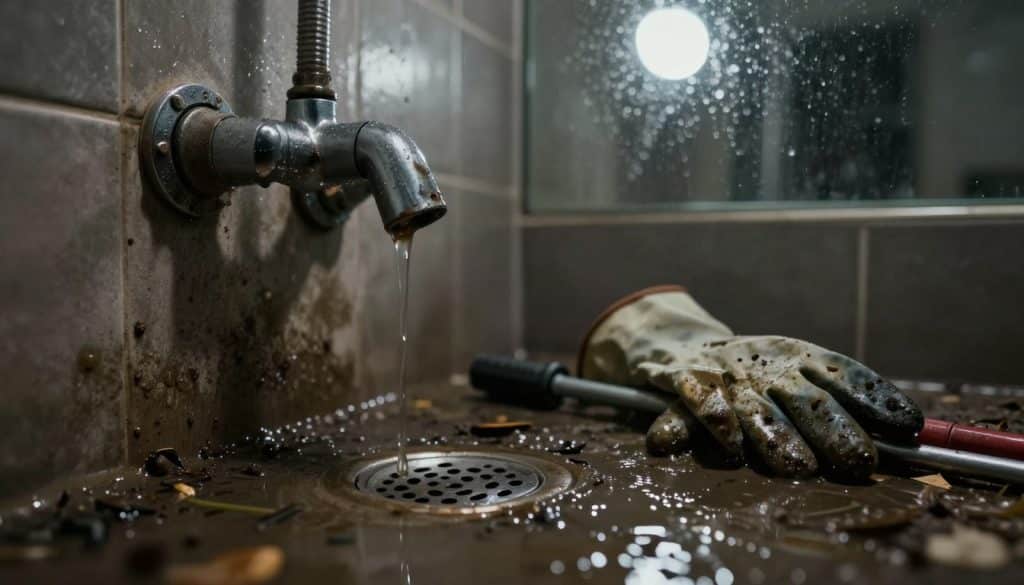
Turn off the main water valve
Shut the water at the main valve to stop additional water from filling backed-up pipes. This reduces the chance the situation gets worse and limits the mess you must manage.
Keep people and pets out of the affected area
Keep your family, tenants, and pets away from the wet floor. Disturbing the area spreads contamination and increases exposure to harmful bacteria and waste.
Ventilate the bathroom
Open windows and, if safe, run the exhaust fan. Fresh air lowers odor and helps air quality while you prepare the next steps.
What not to do
Avoid running more water to “see if it clears.” Do not plunge aggressively if the problem is in the main line—plunging only helps shallow clogs and can splatter contamination.
- Call J Sewer & Drain Plumbing Inc. at (773) 968-2704 for emergency response and clear next steps.
- When simple DIY won’t fix it, wait for professional service to avoid greater harm.
Common causes inside the drain line and sewer system
A slow drain can be the first hint of several different problems within your plumbing system. We outline the most common causes so you can match symptoms to likely trouble spots.
Clogged drain from hair, soap scum, and debris buildup
At the fixture level, a clogged drain often starts with hair and soap scum. This creates slow flow that can worsen into an overflow if left untreated.
Main sewer line blockage from grease, non‑flushable items, and hidden obstructions
The house ties into one main sewer line. Grease, wipes, and other non‑flushable items cause major blockages that affect every fixture.
Tree roots, pipe damage, or a broken sewer line causing recurring backups
Tree roots exploit cracks and cause pipe damage that leads to repeat problems. A broken line may seem fixed after a clear but returns until repaired.
Blocked vent pipe and other pressures that slow drains
A blocked vent pipe creates pressure issues, gurgling noises, and slow drains that can mimic clogs. Venting keeps water moving smoothly through the system.
Heavy rain, municipal overload, and septic system issues
Heavy rain can overwhelm Chicago-area sewers and push sewage and water toward homes. For properties on a septic system, an overloaded tank causes similar symptoms and needs pump or repair.
- We recommend professional diagnosis—guessing the cause can lead to repeat events and more damage.
- Prompt inspection pinpoints whether the problem is a fixture clog, main sewer line, or septic system failure.
Warning signs your main sewer or line is about to back up
Small symptoms often hint at a larger problem brewing in your home’s main sewer and line. Catching these signs early helps you act before sewage backing becomes a full emergency and causes costly damage.
Slow-draining water and gurgling sounds
If low drains, especially a first-floor shower, begin to drain slowly, treat that as an early red flag. Slow flow and odd gurgling noises point to airflow or pressure issues often tied to developing blockages.
Frequent clogs across multiple drains and toilet backups
When several fixtures clog or toilets show backup behavior, the problem is likely beyond a single trap. Repeat clogs in sinks, tubs, and toilets suggest the line or sewer system is restricting flow.
- Act quickly: schedule a professional inspection when symptoms repeat.
- Save time and money: early clearing and camera checks often prevent larger repairs and cleanup later.
- Know the rule: multiple fixtures affected at once usually means the main line needs attention.
We encourage homeowners to treat these warning signs seriously. Stopping the source is the long‑term solution; the next section explains safe cleanup basics while professionals handle repairs.
Safe cleanup basics: how to clean sewage backup and sanitize your shower
Before touching any contaminated surfaces, pause to suit up and ventilate the bathroom. Put on gloves, a mask, and rubber boots. Open windows and run an exhaust fan so air moves out of the room.
Remove standing water carefully using a wet vacuum or pail, keeping the mess contained to one area. Use towels to block drains and carry waste outdoors in sealed containers. This reduces spread through your home and lowers health risks.
Cleaning and disinfecting steps
- Scrub surfaces with hot water and a strong disinfectant, focusing on corners and grout lines.
- Sanitize all surfaces with diluted bleach or a commercial-grade cleaner for full coverage.
- Dry completely with fans or a dehumidifier to prevent mold and mildew from forming on the floor and walls.
We recommend professional help if porous materials are affected, seams hold contaminated water, or you face repeated sewage backup events. Cleanup reduces immediate harm, but fixing the underlying issue keeps your home safe long term.
How plumbers diagnose and repair the underlying sewer line problem
When a drain shows signs of a deeper sewer line problem, our first move is to find the safest access point on your property.
Locate cleanouts: We look for ground-level cleanouts near the foundation or yard. If none exist, some homes only allow roof access. Roof access raises safety concerns and is why you should call professionals.
Snaking: when it helps and when it doesn’t
Snaking a toilet or shower can clear localized clogs. It is a good first step for fixture-level obstructions.
But if the main line holds blockages or pipe damage, snaking often only gives temporary relief. We avoid repeated DIY attempts that can cause more harm.
Camera inspection and safe clearing
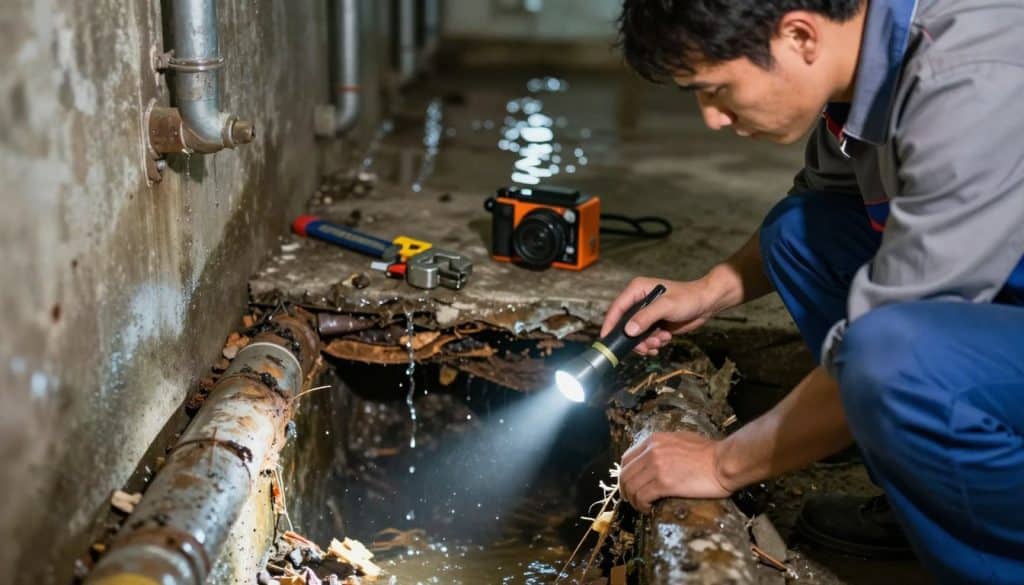
We use a sewer camera to pinpoint clogs, blockages, and pipe damage. That evidence lets us choose the right repair method without guesswork.
- Diagnostic step: camera run to locate the issue and estimate time.
- Clearing the line: professional tools remove obstructions while protecting older pipes.
- Repair planning: we present options, costs, and a timeline so you decide with confidence.
We serve Chicago, IL and nearby areas, Monday–Saturday with 24-hour availability for urgent sewage backup shower calls. Call us for prompt, clear next steps.
Prevent future sewage backups with smart maintenance and upgrades
Keeping your home safe from future system failures begins with simple, consistent maintenance. We shift from reaction to prevention with clear, practical tips that protect your property.
Be mindful of what you flush and what goes down the drain
Only flush human waste and toilet paper. Do not put wipes, grease, or other non-flushable items down the toilet or drain.
Use hair catchers and routine drain cleaning
Install hair catchers on tubs and sinks to reduce clogs before they form.
Schedule regular professional drain cleaning to keep lines clear and avoid repeat sewage backup events.
Schedule plumbing system checkups and annual cleanings
Annual inspections find slow builds and venting issues early. These steps prevent small problems from turning into costly damage.
Install a backwater valve and manage tree roots
A backwater valve stops reverse flow during heavy rain and municipal surges. It’s a smart upgrade for many Chicago homes.
Protect the sewer line by managing nearby tree roots. Root barriers or targeted removal prevent pipe cracks and repeat problems.
- Our recommendation: combine habit changes with one or two upgrades for lasting results.
- We can help: we’ll design a maintenance plan that fits your home or property, reducing the odds of another backup shower event.
Conclusion
Finding contaminated water at a low drain is serious, and immediate steps save time and reduce damage.
Act now: stop the main water, keep people out, and avoid risky DIY that scatters contamination. Safe cleaning protects your family while a proper diagnosis finds the true causes in the sewer line.
For fast, experienced help, call J Sewer & Drain Plumbing Inc. at (773) 968-2704 or email jsewerdrainplumbing@gmail.com. We are a family‑owned, two‑generation team, serving Chicago, IL and nearby areas, Monday–Saturday with 24‑hour availability.
Our offices: 3343 N Monticello Ave, Chicago, IL 60618; 3017 N Elston Ave, Chicago, IL 60618; 809 Ridge Rd, Wilmette, IL 60091. We treat your home like our own and stand ready to restore safe plumbing, handle repairs, and guide prevention.