How would you handle sewage backup cleanup to protect your home and health if contaminated water suddenly flooded your property—right now, today?
We know a sewer incident feels urgent and stressful. This guide explains practical steps for stopping further flow, removing contaminated water, and sanitizing affected areas while keeping safety first.
As a family-owned, two-generation team founded in 2017, J Sewer & Drain Plumbing Inc. treats every customer like family. We serve Chicago and nearby areas, offering clear guidance and a 24-hour, Monday–Saturday phone line at (773) 968-2704 or jsewerdrainplumbing@gmail.com.
We outline immediate hazards, simple safety steps, water removal basics, and when to call professionals for sewer diagnostics and repairs. Our goal is to help you protect health and property while we stand ready to respond.
Key Takeaways
- Act quickly and prioritize personal safety before entering flooded spaces.
- Stopping further flow and removing contaminated water are first steps.
- Sanitizing and drying prevent health risks and further damage.
- Costs and scope vary; some situations need professional service.
- Call J Sewer & Drain Plumbing Inc. at (773) 968-2704 for fast, local support.
Understanding a Sewer Backup and Why It’s a Serious Health and Property Risk
When wastewater reverses and comes into your home, risks grow quickly. That reversal happens when sewer lines clog or fail, forcing murky water up through toilets, drains, and basement fixtures.
What you may see: water pooling near floor drains, overflow at toilets, and sticky, sludge-like residue on floors and around fixtures. These signs mean the problem is active and spreading.
Common local causes
- Clogged service pipes from debris and grease.
- Tree roots invading older lines and creating blockages.
- Heavy flood events that overwhelm municipal systems.
Contaminated water carries disease-causing substances that increase health hazards. It soaks into floors, wicks into drywall, and can ruin furniture and stored items fast.
Fast action limits long-term damage and odor issues. Before any cleaning begins, we stress handling electrical and gas safety first so your family and our crew stay protected.
What to Do Immediately for Safety Before You Start Cleaning
When water floods your home, the urgent priority is preventing electrical shock or a gas ignition. Treat the area as a life‑threatening hazard and pause before entering.
Call your utility companies to shut off electricity and gas before you go into any wet areas. Make sure this is done by the provider; do not attempt to switch off main power or relight appliances yourself.
Do not touch fuse boxes, breaker panels, plugged cords, or submerged appliances until the electricity is confirmed off. If an appliance motor or controls were underwater, do not restart it without a qualified service check.
Essential PPE and precautions
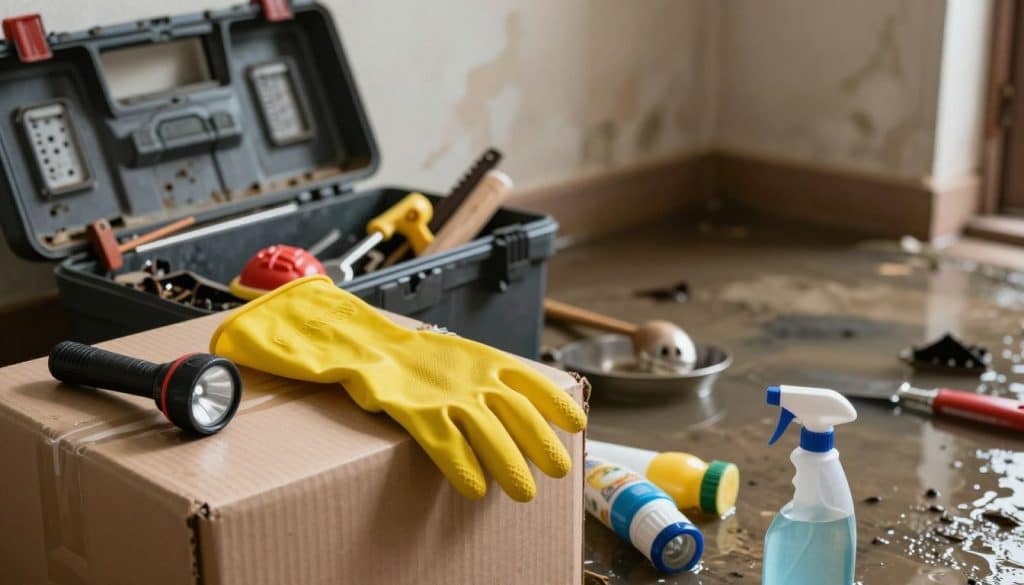
- Rubber gloves and rubber boots to reduce shock risk.
- Face shield or safety goggles to protect eyes from splashes.
- Have hand sanitizer and soap for hygiene; keep hands away from nose and mouth.
Keep children and pets out of affected areas and block doors to prevent tracking contaminated water and waste into clean rooms. If you are unsure about electricity or gas exposure, pause and call a professional—your safety is worth more than speed.
Sewage backup cleanup: Step-by-Step Water Removal, Clearing Debris, and Protecting Your Space
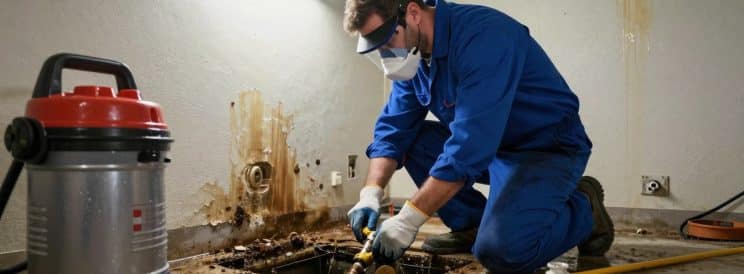
Start the hands-on phase by stopping all water use so the problem can’t get worse. No toilets, showers, laundry, or dishwashing until the source is controlled. This limits how far the affected area spreads and reduces overall damage.
Next, contain the space. Close doors, seal with plastic sheeting if available, and establish a single route to move waste out of the home. That helps prevent clean rooms from becoming contaminated.
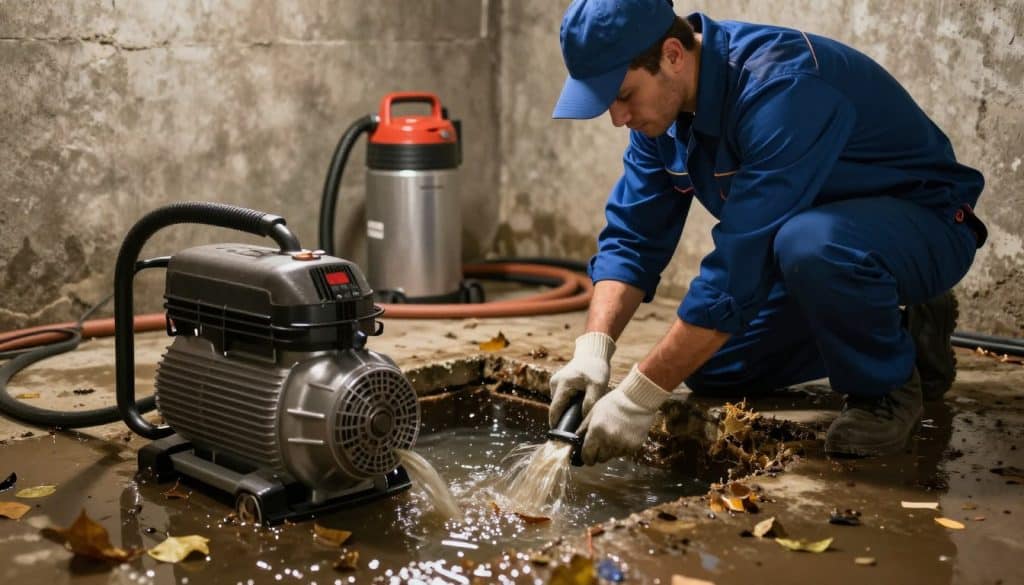
- Remove standing water: Use a wet/dry vacuum for small volumes—make sure the dry filter is removed—or rent a pump for deep water.
- Clear solids: Hose down sticky sludge, sweep with a broom and dustpan, and double-bag waste to reduce cross-contamination.
- Ventilate and dry: Open windows, run fans, and plan for dehumidification so floors and base areas dry evenly and odors fade.
Quick action lowers the time sewage water soaks materials, which cuts the chance of deeper saturation and costly repairs. If water keeps rising, the affected area grows, or you cannot control the source, pause and call us for emergency plumbing and help stopping the problem at the sewer line.
Sorting Items After a Sewage Backup: What to Discard, What Can Be Cleaned
A calm, organized triage of belongings speeds recovery and protects your family’s health. We guide you through a step-by-step plan to separate what must be thrown away from what can be salvaged.
High-risk materials to discard
Throw away soaked porous items that trap contaminants: carpeting, padding, books, paper goods, and stuffed toys. These materials are hard to disinfect and pose a lasting health risk.
What may be salvageable
Some clothing, hard-surface furniture, and non-porous household items can be saved if cleaned and disinfected promptly.
- Wash clothing and bedding on hot cycles and use proper disinfectant.
- Wipe hard furniture with detergent, then sanitize.
- Keep an eye on the condition of items; discard if staining or odor persists.
Handling, food, and disposal rules
Bag discarded waste in tightly closed containers and avoid hugging items to your body. Make sure to wash hands and any exposed skin right after handling.
Destroy bottled or boxed food that was contaminated. For canned goods, scrub with soap and water, then soak 15 minutes in chlorinated water (1 ounce bleach per gallon) and air dry to prevent rust.
Cleaning, Sanitizing, and Deodorizing Walls, Floors, and Surfaces
A clear wash‑then‑sanitize process protects your home and reduces long‑term damage. We recommend a stepwise approach so you and your family can return to a safe space faster.
Wash and rinse
Begin with warm or hot water and a low‑suds detergent to remove residue from walls, trim, and floors. Rinse surfaces with clean warm water to remove detergent and loosened material.
Sanitizing mixtures and safety
After washing, sanitize by rinsing with either 2½ tablespoons of Lysol or Pine‑Sol per gallon, or 8 tablespoons of laundry bleach per gallon of water. Follow label safety tips, wear gloves, and keep windows open for ventilation.
Deep cleaning low points
Focus on corners, along baseboards, and near drains—these low points collect the heaviest solids during an incident. Use fresh rinse water often so you do not re‑spread contaminants.
Dry‑out strategy
Open windows, run fans when electrical systems are safe, and plan dehumidification to dry the area. Thorough drying lowers odor and microbial growth and helps preserve drywall and flooring condition.
- Work pattern: start at the farthest point and work back toward the exit.
- Replace water: change rinse water regularly to limit cross‑contamination.
- Check results: repeat washing if stains or odors persist; proper drying reduces long‑term damage.
When to Call Professionals for Sewage Cleanup and Sewer Line Repairs
Large contaminated areas, strong odors, or water that has soaked through floors and walls are clear signs to call trained professionals. If the problem has been sitting for hours or you cannot stop the source, professional help is the safest choice.
Red flags that need expert attention:
- Extensive contamination across rooms or the basement.
- Contaminated water has seeped into drywall, flooring, or stored materials.
- Persistent, strong odor or rising water levels despite efforts.
Why a professional service matters
We provide full sanitation, odor control, and certified restoration so your living space is safe again. Our teams use proper equipment and follow health protocols to limit long-term property damage.
Related plumbing services and repair options
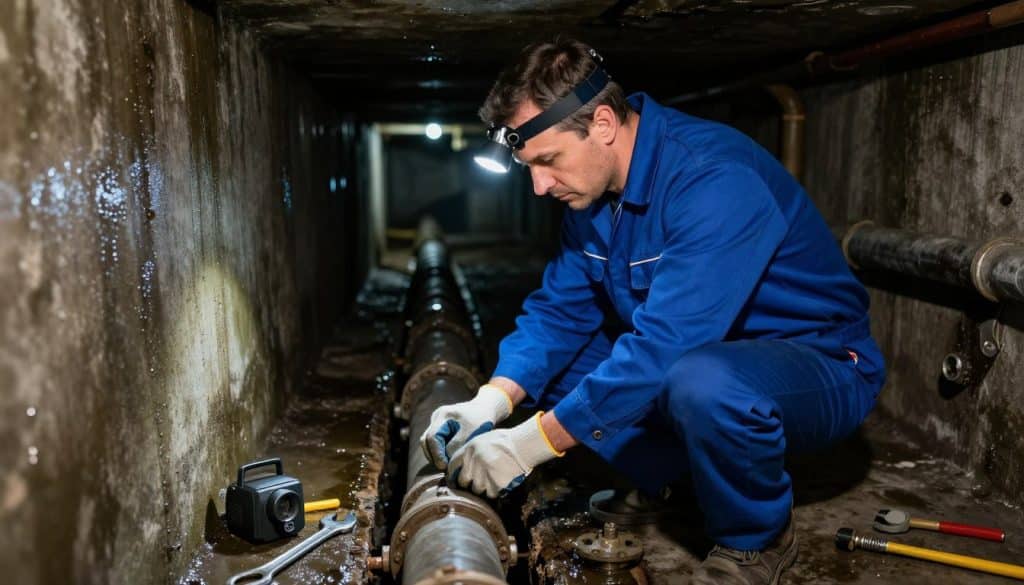
Common services include sewer scope inspection, snaking, and hydro jetting to find and clear the problem. If pipes are damaged, we offer targeted repair, full replacement, and trenchless methods when suitable.
Costs, drivers, and insurance basics
Expect water removal near $7–$14 per sq ft and total restoration commonly between $2,000–$10,000. Scope inspections often run $250–$500; snaking and jetting vary by job. Major drivers are area size, material damage, and how long contamination sat.
Insurance tip: many homeowner policies exclude sewer line repairs unless you add coverage. A small add-on may cost about $5/month and offer $10,000–$25,000 in protection. Review your policy to know what is covered.
If you need immediate support or a full plan from assessment to restoration, call J Sewer & Drain Plumbing Inc. at (773) 968-2704 or email jsewerdrainplumbing@gmail.com. We serve Chicago and nearby areas, Monday–Saturday, 24-hour style response from our offices: 3343 N Monticello Ave, 3017 N Elston Ave, Chicago, IL; 809 Ridge Rd, Wilmette, IL.
Conclusion
When water intrudes into living spaces, quick, calm action protects people and property.
Protect safety first: turn off utilities with your provider, stop using water, and contain the affected space. Remove visible contaminants carefully, then follow a steady wash‑then‑sanitize routine to limit health risks and guide restoration.
Small, controlled incidents may be managed by a careful homeowner. For large or repeated events, strong odors, or rising water, call professionals for prompt repair and safe restoration.
Need help today? Contact J Sewer & Drain Plumbing Inc. at (773) 968-2704 or jsewerdrainplumbing@gmail.com. We’re family‑owned, 24 hrs open Monday–Saturday, serving Chicago, IL and nearby areas from 3343 N Monticello Ave, 3017 N Elston Ave, and 809 Ridge Rd in Wilmette.
We treat every customer like family and stay focused on protecting your home, your health, and your long‑term peace of mind.