
Have you ever wondered why plumb
ing services cost can vary so much and what you should expect when you call a local team?
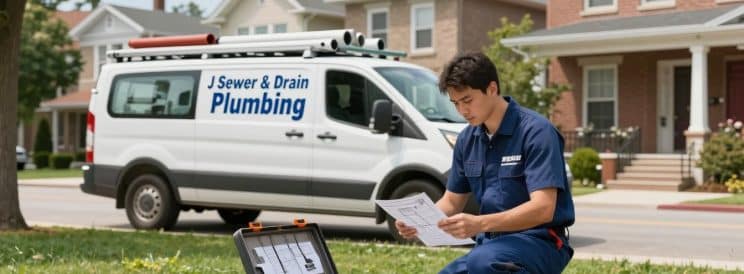
We are J Sewer & Drain Plumbing Inc., a family-owned, two-generation ally in Chicago since 2017. We answer calls Monday to Saturday — 24 hours Open — and treat every house like our own.
When you call, a trusted plumber will assess the issue, explain options, and share transparent estimates. Our offices: 3343 N Monticello Ave, 3017 N Elston Ave, Chicago, IL; 809 Ridge Rd, Wilmette, IL.
Plumbing work cost varies by service type, severity, accessibility, and urgency. By defining cost as labor, materials, access needs, and timing, we help homeowners make clearer decisions and avoid surprises.
Contact us at (773) 231-8869 or [email protected] for fast, honest advice and dependable local support.
Key Takeaways
- Prices differ because of task type, damage level, access, and response time.
- We define cost clearly: labor, materials, access, and timing.
- J Sewer & Drain is family-run, transparent, and locally based in Chicago and Wilmette.
- Call (773) 231-8869 or email [email protected] for quick guidance.
- We focus on long-term solutions to protect your home and reduce future risk.
What Homeowners in Chicago Should Know About Plumbing Pricing Today
Not all repairs are equal; knowing what drives price differences helps you protect your home. We explain how job type, severity, and timing affect final rates so you can choose work that matches value, not just the lowest sticker.
Why prices vary by job type, severity, and urgency
Type of job matters: leaks, clogs, installations, and line work ask for different tools and time. Simple fixes often take less time and fewer parts than line replacements.
Severity and age change the work required. Older systems need more diagnosis, which raises labor and increases the chance of related issues.
Emergency repairs — active leaks or sewer exposure — need fast dispatch and special equipment. That urgency often increases final rates.
- We show why a low bid can cost more later if repairs are incomplete.
- We guide you to look for licensed, insured plumbers who protect your home and budget.
- We focus on clear scope, honest timelines, and workmanship that prevents repeat problems.
Typical Plumbing Hourly Rate vs Flat-Rate Pricing
Knowing whether you’ll pay per hour or a flat fee can save stress and avoid surprise invoices.
How hourly billing works: An hourly rate usually covers labor and standard tools. Parts and specialty equipment are often billed separately. You may see typical hourly ranges of about $75–$150 per hour for standard repairs, with broader market rates from $45–$200 per hour depending on experience and tools.
Common add-ons to expect
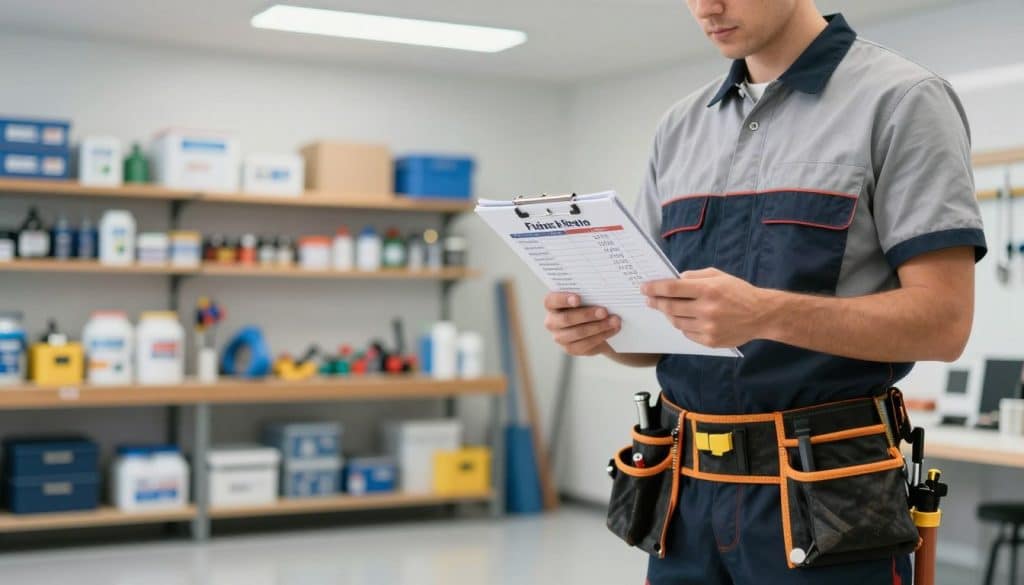
Many crews apply a first-hour minimum, higher initial hour charges, or a trip fee. A service call charge can appear on the invoice even if the repair is quick. That means your final bill may not be just hours x rate.
When flat-fee pricing helps
Flat fees — often averaging near $300 for common repairs — give clear pricing up front. For routine jobs, a flat rate can be more transparent and easier to budget. We recommend written scope so you know what the flat fee includes.
- Ask what the hourly rate covers and what counts as extra.
- Consolidate small fixes into one visit to reduce repeat trip fees.
- Request a written scope to compare pricing fairly and avoid surprises.
We prioritize transparency and will explain pricing clearly before work begins. Call us at (773) 231-8869 for a straightforward explanation of options and to decide what will best get the job done for your Chicago home.
Average plumbing services cost ranges for common repairs
Everyday fixes like a leaky sink or a slow drain have typical price bands you can plan around. Below we list average ranges and what changes final prices so you can make informed choices for your Chicago home.
Leaking faucet repair expectations
Leaking faucet repairs generally fall between $100 and $250. Cartridge type, corrosion, and how easy the fixture is to reach affect labor time and parts.
Clogged drain or toilet and drain cleaning ranges
Simple clogged drain or toilet repairs typically range $100–$300. Drain cleaning runs about $150–$400 depending on blockage depth; clearing a clog often averages near $200 when no major obstruction is found.
Running toilet repair and price drivers
Running toilet repairs usually cost $100–$200. Whether it’s a flapper, fill valve, flush valve, or water pressure issue changes the job time and parts needed.
- Share symptoms: frequency, overflow history, or multiple fixtures backing up.
- Compare quotes by scope, not just one number; testing and verification cut repeat calls.
- Fix small issues early—tiny leaks and slow drains waste water and may lead to bigger damage.
Call us at (773) 231-8869 for a transparent estimate tailored to your repair and home.
Costs for major plumbing repairs and high-impact problems
When a severe leak or failed water heater threatens your home, clear numbers calm the panic and guide decisions. We list typical ranges and explain what changes pricing so you can act quickly to limit water damage.
Water heater repair or replacement
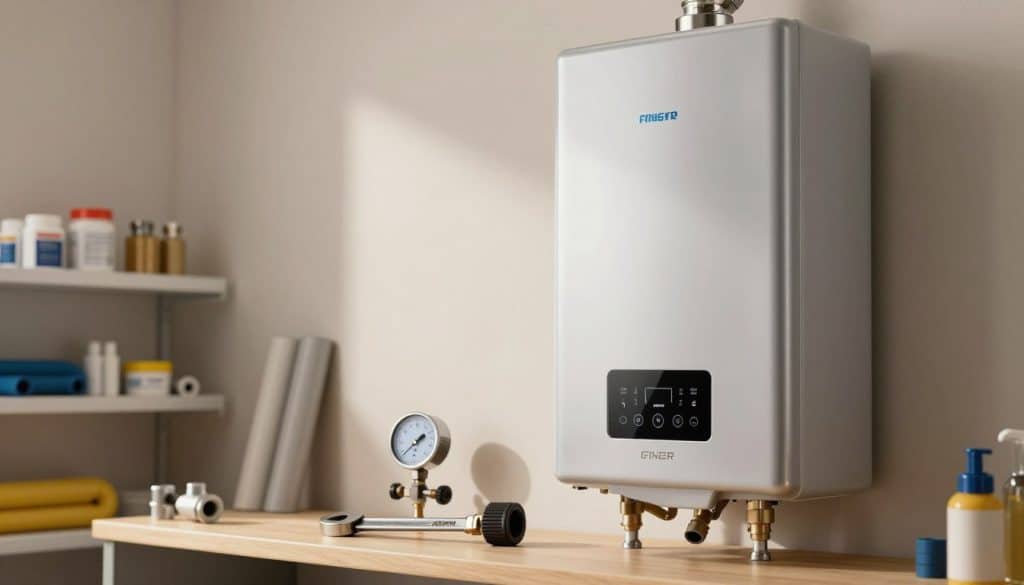
Repair or replacement for a water heater commonly runs $800–$2,500. Age, tank vs. tankless type, venting needs, and required permits shift the total.
Pipes behind walls or underground
Pipe repair or replacement in-wall or under-slab can range $500–$5,000. Access, excavation, and restoration often add as much as the pipe work itself.
Slab leak detection vs. repair
Detection typically costs $125–$400; slab repair can be $500–$4,000 depending on location and damage severity.
Main line repair vs full replacement
Main line fixes often fall between $300–$4,000. Average repairs land near $750, while a full new main averages about $1,500. Depth, permits, and driveways raise totals.
- Hidden costs: water damage cleanup ($1,000–$4,000) and drywall repair ($250–$750) can double restoration budgets.
- Safety-first advice: shut off the main water if you see active leaks, then call for emergency help to limit damage.
- Rapid support: we serve Chicago, IL and nearby areas Monday to Saturday (24 hours Open). For emergency situations, call (773) 231-8869 or email [email protected].
Plumbing installation costs for fixtures, remodels, and upgrades
When you plan a remodel, knowing how installers price each fixture helps you budget smartly. We walk through typical ranges, what influences prices, and how to group work to save time and disruption.
Per-fixture pricing and what’s included
Per-fixture installation commonly runs $200–$1,000. Typical ranges: sink $200–$525, toilet $200–$525, faucet $150–$350. That usually covers labor, standard parts, and basic mounting.
Bath and shower replacements
Bathtub replacement typically ranges $1,000–$5,000. Shower installs average $1,200–$5,500. Surrounds, waterproofing, and demolition raise final totals.
Reroutes and whole-home rough-in
Rerouting a single line averages $650–$1,500, excluding drywall or framing restoration. Whole-home rough-in work often starts near $11,500 for a 2,300 sq ft home with 2.5 baths, and varies by pipe type.
- We quote per fixture with transparent line items.
- Fixture type and material quality change final pricing.
- Grouping projects reduces repeat hours and site disruption.
We serve Chicago and nearby areas and will discuss scheduling, materials, and a clear scope so your upgrade protects your home and matches your goals.
Key factors that affect plumber cost in Chicago-area homes
Small access issues or deep excavations both change what a repair will require in time and labor. We break down the main factors so you can plan and protect your home.
Accessibility and tear-out
What must be opened up — walls, floors, or ceilings — often sets the labor needed. Tight crawlspaces add hours and raise the final plumber cost.
Materials and fixture quality
Choosing durable parts raises upfront costs but lowers future repairs. We help you pick options that match your home’s use and long-term value.
Time, labor, and urgency
Time on site is usually the largest expense; hours add up quickly. Emergency and after-hours work, plus expedited sewer repairs, carry higher rates due to urgency and safety.
Secondary damage and restoration
Plan for drywall repair ($250–$750) or water damage cleanup ($1,000–$4,000) after access or burst pipes. These damage items often double the total bill.
- Act early: quick fixes cut total hours and downstream damage.
- Ask for a clear written scope so you compare true costs.
- We serve Chicago and nearby areas Monday–Saturday — 24 hours Open — to help protect your home.
How to estimate your plumbing job and avoid surprise charges
Estimate simply: split the total into labor, materials, and any permits or fees. This helps you see what determines final rates and lets you plan the job clearly.
How to build a realistic estimate: labor + materials + permits/fees
Start with the expected hours and whether the crew bills per hour or a flat fee. Ask how plumbers charge and watch for first-hour and trip fees.
Then add parts and any permit or inspection costs. Add a small contingency for unexpected items.
What to ask for in a written quote to compare pricing apples-to-apples
Request a written scope that lists work, parts, testing, and triggers for change orders. Ask for the hourly rate, or the flat amount, and what is included.
Compare assumptions like access method, cleanup, and testing so you judge offers fairly.
Smart ways to reduce total costs without cutting corners
Consolidate small projects into one visit, schedule non-emergencies during regular hours, and fix minor leaks early to avoid big repairs later.
When you want clear, written estimates from a local, family-owned team, call us at (773) 231-8869 or email [email protected]. We’ll help you get job clarity and get job done right.

Conclusion
Making informed choices now saves time, limits water damage, and preserves your home’s value. Costs vary by job type, urgency, access, and labor, so knowing the main drivers helps you act with confidence.
We are a family-owned, two-generation team established in 2017. As your local plumber, we treat each house like our own and focus on clear scope, honest timelines, and workmanship that lasts.
If you spot a leak, slow drain, or unusual water behavior, act early—small issues often avoid bigger repair or emergency work. Call us at (773) 231-8869 or email [email protected] for straightforward guidance.
Locations: 3343 N Monticello Ave, Chicago, IL 60618; 3017 N Elston Ave, Chicago, IL 60618 (Our New Location!); 809 Ridge Rd, Wilmette, IL 60091. We’re open Monday–Saturday: 24 hours Open, serving Chicago, IL and nearby areas, ready to protect your home.
FAQ
What affects the price of a plumbing job in Chicago?
Several things change the final charge: the type and severity of the problem, how accessible pipes or fixtures are, the hours required on site, and whether special parts or permits are needed. Emergency calls, after-hours work, and jobs that require opening walls or floors add time and materials, which raises the total. At J Sewer & Drain Plumbing Inc., we evaluate these factors upfront so we can give a clear estimate for your home.
Are plumbers in Chicago billed by the hour or by a flat rate?
Both models are common. Hourly rates cover labor time and are typical for complex troubleshooting or when the scope is unknown. Flat fees or per-job pricing are used for routine installations and standard repairs, giving predictable pricing. We explain which approach suits your repair or installation and why, so you get better value, not just a low sticker price.
What does an average hourly rate include?
A typical hourly charge covers the technician’s time, standard tools, and basic diagnostics. It does not always include parts, large replacement fixtures, or permit fees. We itemize labor and materials on estimates so you see what’s included in the hourly work and what might be added.
What is a trip fee or first-hour minimum?
Many companies add a trip fee or require a first-hour minimum to cover travel and initial diagnosis. That fee typically applies whether you need a 20-minute fix or a longer repair. We disclose any service call charges before work begins and apply them toward the final invoice when possible.
How much does it usually cost to fix a leaky faucet?
Faucet repairs vary based on type and whether parts like cartridges, seats, or handles need replacement. For a straightforward rebuild, expect modest parts plus a short labor charge. If the fixture is vintage, hard-to-source, or requires supply-line work, the total will be higher. We always recommend replacing worn parts with quality components to reduce repeat visits.
What should I expect to pay for a clogged drain or toilet cleaning?
Simple clogs that clear with a drain snake or auger are the least expensive. Deeper blockages, grease, tree roots, or repeated backups require motorized drain cleaning or camera inspection, which raises the price. We suggest a camera inspection when clogs recur, because it helps target the fix and avoids unnecessary labor costs.
How much does fixing a running toilet usually cost?
Running toilets often need new flappers, fill valves, or a tank adjustment. These parts are inexpensive, so labor is the main cost. Replacement of older tanks or extensive bowl repairs increases the price. We replace worn components with reliable parts to restore efficient water use and prevent higher water bills.
What influences water heater repair or replacement pricing?
Size, fuel type (gas or electric), whether it’s tank or tankless, and access affect costs. Repairs for elements, thermostats, or valves are lower than full replacement. Tankless units and code-required updates add to material and install time. We assess age and condition and recommend repair or replacement based on safety, efficiency, and long-term value.
How are pipe repairs priced when pipes are behind walls or underground?
Hidden pipe work requires additional labor for access, possible drywall or flooring repair, and sometimes trenching for underground lines. Those access costs often dominate pricing. Trenchless options can reduce surface repair but have specialized equipment expenses. We evaluate access and recommend the least disruptive, most cost-effective solution for your property.
What is a slab leak and why can it be expensive to fix?
A slab leak occurs when supply lines under a concrete foundation fail. Locating the leak often needs electronic detection, and repair can involve concrete cutting or rerouting lines—both raise costs. Early detection and prompt repair limit water damage and reduce overall expense. We provide detection and repair options suited to the home and budget.
How much can main line repair or full replacement vary in price?
Repairing a section of the main sewer line is less costly than a full replacement. Factors include pipe material, length affected, access, and whether tree roots or collapsed sections exist. Trenchless renewal methods cost more up front but save on landscaping and hardscape restoration, so we review long-term value when suggesting options.
What are typical per-fixture installation rates for sinks, toilets, and faucets?
Basic fixture installs are priced by labor plus parts. A simple faucet swap is quicker than installing a new sink that requires supply and drain rerouting. Toilets vary by style and flange condition. We provide clear per-fixture estimates and outline any additional work that would affect the total, such as countertop or cabinet modifications.
How much does replacing a bathtub or shower usually cost?
Costs depend on whether you replace a unit like-for-like, upgrade to a walk-in, or change the rough-in layout. Tile surrounds, waterproofing, and substrate repair add to labor and material totals. We plan these projects to minimize surprises, and give phased options so you can control budget and scope.
When do rerouting lines or a whole-home rough-in become costly?
Major remodels that change plumbing layouts, add bathrooms, or convert spaces require extensive piping, venting, and sometimes permit work. Labor hours rise with complexity, and material choices affect prices. We coordinate with contractors and provide detailed estimates so you understand timing and cumulative expense.
How does accessibility affect pricing for Chicago homes?
If lines sit behind finished walls, ceilings, or under slabs, the work requires more time and often restoration of finishes. Tight crawl spaces or multi-story access also slows progress. We price projects to reflect real on-site conditions and recommend solutions that reduce invasive access when possible.
Do higher-quality materials really change the final price? Are they worth it?
Yes. Premium pipes, valves, and fixtures cost more but last longer and reduce call-backs. Choosing better components can lower lifetime expense, especially in older homes. We guide homeowners on balancing upfront investment with expected durability and maintenance needs.
How much of my bill is labor versus parts?
Labor is often the largest portion, especially for jobs that require many hours or special skills. Parts and permits add to the total but usually are less than labor on complex repairs. We show labor hours, parts costs, and any permit fees separately so you can see where the money goes.
Are emergency, after-hours, and weekend repairs more expensive?
Yes, emergency and off-hours calls typically include a premium to cover immediate response and staffing outside normal business hours. We explain emergency pricing at first contact and offer guidance on temporary measures homeowners can take until a technician arrives, when safe.
Will plumbing repairs include secondary damage cleanup like drywall or water damage?
Our primary focus is repairs to pipes and fixtures. If your job creates or reveals drywall or water damage, we can coordinate with trusted contractors for cleanup and restoration. We include any immediate repairs needed to protect the home in our scope and estimate separate restoration work clearly.
How should I build an accurate estimate before work starts?
Request a written estimate that lists labor hours, parts, permit fees, and any expected restoration costs. Ask for diagnostic findings, recommended fixes, and alternatives. We provide transparent quotes and walk you through each line item so you can compare options and avoid surprises.
What should I ask for to compare quotes from different companies?
Ask for the same scope of work, materials specified, warranty terms, and any exclusions. Verify whether permits and disposal are included. Compare warranties on labor and parts to get an apples-to-apples view. We include these details so homeowners can make informed comparisons.
What are smart ways to lower total bills without sacrificing safety?
Schedule preventive maintenance to catch small issues early, choose durable parts over cheap quick fixes, and bundle related work to save on repeat trip fees. We also recommend energy-efficient upgrades that reduce long-term utility bills. Our goal is to protect your home while managing upfront expense.
How do permits and inspections affect pricing and timeline?
Permits add permit fees and sometimes required corrective work to meet code, which affects both price and schedule. They protect homeowners by ensuring safe, compliant work. We handle permit pulls and scheduling when needed and include those costs in the estimate.
Why should I choose J Sewer & Drain Plumbing Inc. for work in Chicago?
We combine local code knowledge, experienced technicians, and a family-first approach to protect your home. We prioritize clear estimates, quality parts, and reliable workmanship. When you call, we focus on diagnosing efficiently and recommending the most durable, cost-conscious solution for your property and budget.