At J Sewer & Drain Plumbing Inc., we often hear homeowners ask whether they need a plumber to install fridge water line or if a simple hookup can become a costly mess, and we believe careful planning and skilled work make the difference.
We are a family-owned, two-generation Chicago team established in 2017. Serving Chicago, IL and nearby areas, we treat every customer like family and bring passion to our plumbing services.
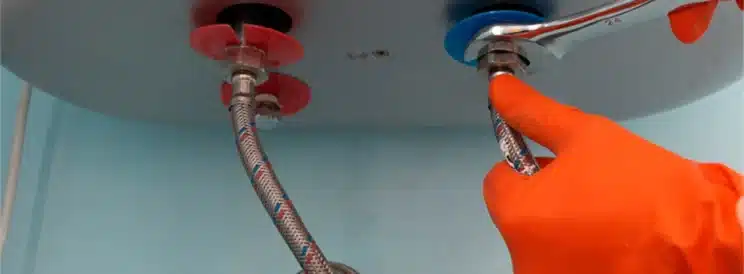
When we handle a fridge water line installation, we inspect the nearby cold source, plan the shortest route, shut off and drain the supply, make tee and shutoff connections, attach the refrigerator inlet, and test for leaks and pressure shifts.
Expect clear timing, minimal disruption, and protective measures for floors and cabinets. We focus on the cleanest path—often near the sink—and install a dedicated shutoff so your new fridge performs reliably.
Available Monday through Saturday, 24 hours open. Call (773) 968-2704 or email jsewerdrainplumbing@gmail.com to schedule and feel confident in your home.
Key Takeaways
- We prioritize planning, protection, and clear communication during every installation.
- A proper route and shutoff reduce long-term risks and simplify maintenance.
- We inspect, connect, and pressure-test to prevent leaks and ensure reliability.
- Our family-owned team serves Chicago with 24-hour availability, Mon–Sat.
- Contact (773) 968-2704 or jsewerdrainplumbing@gmail.com for scheduling.
Why a fridge water line matters for your ice maker and water dispenser
Keeping a steady feed to your refrigerator affects ice quality and dispenser performance more than most homeowners realize. The fridge water line provides the essential water supply for an internal ice maker and any filtered dispenser your model may have.
What the connection supplies and how it affects performance
The water supply must deliver consistent pressure and flow. Low pressure or small restrictions change ice size, clarity, and how fast a cup fills. That can make ice cubes small, cloudy, or slow to form.
Common problems from a poor connection
A loose or poorly routed connection can vibrate, rub against cabinet backs, or develop kinks. That leads to intermittent flow, leaks, and spots where water shouldn’t reach.
- Slow fill or odd-tasting dispenser output.
- Inconsistent ice maker cycles or weak ice production.
- Hidden dampness behind cabinets, signaling a potential repair.
When you set up a new fridge, we recommend confirming the shutoff and route are accessible and durable. A thoughtful line installation now often prevents future calls and protects your kitchen.
What a plumber to install fridge water line typically does on-site
On-site work begins with a careful visual check of pipes and cabinet space, so we can spot worn valves, tight clearances, or hidden damage before any work starts.
Water line inspection and measuring from the nearest cold water pipe
We locate the nearest cold water pipe, most often under the kitchen sink, and measure the run to the refrigerator inlet. This ensures the new water supply line has the right length and avoids excess slack.
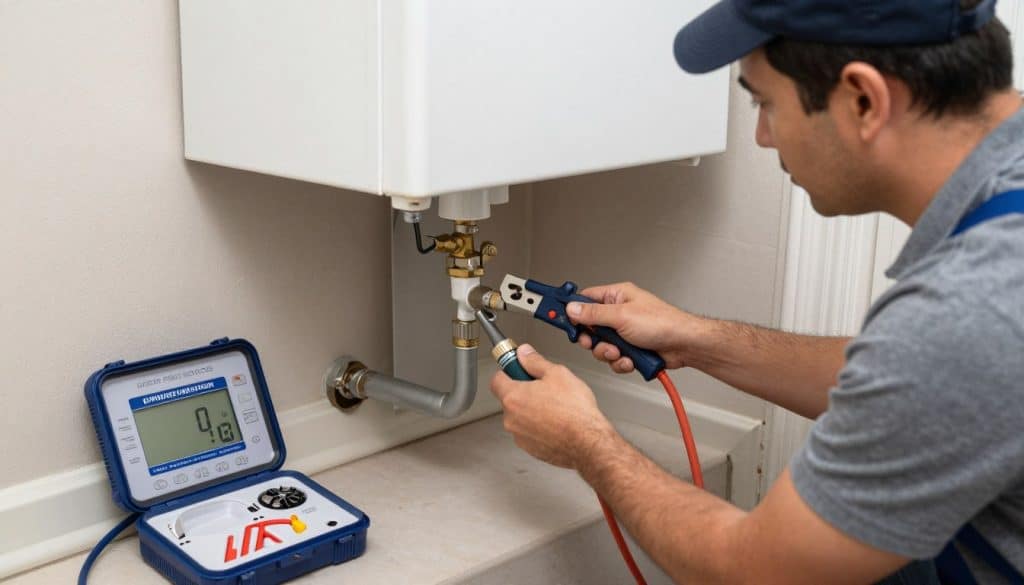
Next, we map an efficient route that minimizes bends and pinch points. A clean route reduces vibration wear and lowers the chance of future repair calls.
Shutting off and draining pipes before work begins
- We discuss access options with you, explaining whether we’ll work inside cabinets, behind the appliance, or through the floor.
- Then we shut off the main or local valve and drain affected pipe sections, using controlled methods to limit spills and protect cabinets.
- If we spot issues—corrosion, a failing shutoff, or other concerns—we explain repair choices and next steps before proceeding.
Tools and materials used for installing water line to fridge
Choosing the right materials and tools makes a lasting difference in a refrigerator supply connection.
Material choices:
- Copper tubing — durable and solderable; ideal where a permanent, corrosion-resistant joint is preferred.
- Stainless steel flex line — flexible, resists vibration, and works well behind cabinets where movement happens.
- Plastic tubing — easy to route and cost-effective, but less abrasion-resistant in tight spaces.
Core parts and workmanship:
Professional setups use tee fittings, a dedicated shutoff valve, sleeves, ferrules, and retainer nuts for secure seals.
We deburr every cut, choose soldering for copper joins when access allows, and use compression-style connections where they fit the existing pipe. Clean cuts, correct torque, and smart supports reduce leaks and vibration wear.
How to prepare your kitchen before the plumber arrives
A little prep in your kitchen helps us finish faster and protects your cabinets and floors. We value clear communication and respectful, family-first service. Preparing ahead saves time and limits disruption in your home.
Finding the closest source under the sink
Look under the kitchen sink for the cold water pipe and the existing shutoff valve. This is most often the nearest water supply that will be used for a new fridge connection.
Pointing out the sink shutoff when we arrive speeds the visit and helps us plan the shortest, safest route that is located directly from that source.
Creating safe access behind the refrigerator and inside cabinets
Clear cabinet shelves of fragile items and move cleaning supplies out of the way. Make room behind the appliance so we can gently pull it out and route the line without kinks or pinches.
- Protect floors with a towel or cardboard—we do this, and it helps if you can make a clear path.
- Have your new fridge model info and any filter notes handy so we match fittings correctly.
- We’ll confirm the plan with you before drilling or cutting, and we work Monday–Saturday with 24-hour availability in Chicago, IL and nearby areas.
How the refrigerator water line installation is completed step by step
A precise workflow—from route mapping to final checks—turns a quick job into a durable result. We follow clear steps so your refrigerator supply performs without surprises.
Selecting the shortest route for the new supply
We map the straightest, safest path from the sink or cold water source to the appliance. Shorter runs cut risk of kinks and make future service easier.
Drilling access points and preparing the pipe
If needed, we drill through cabinet backs, floors, or down into a basement. Then we shut off and drain the affected section before we cut the pipe.
Making the branch, fittings, and final hookup
We cut into the cold water pipe and fit a tee adapter or tee fittings, then add a dedicated shutoff valve for the supply. We deburr every end, solder copper where appropriate, and let joints cure.
- Connect the supply line to the refrigerator inlet and confirm a snug fit.
- Secure the route with clamps so the tubing won’t crimp or rub against edges.
- Perform a pressure check and watch for any small leaks before the job is complete.
Testing, leak checks, and final adjustments after connecting the water line
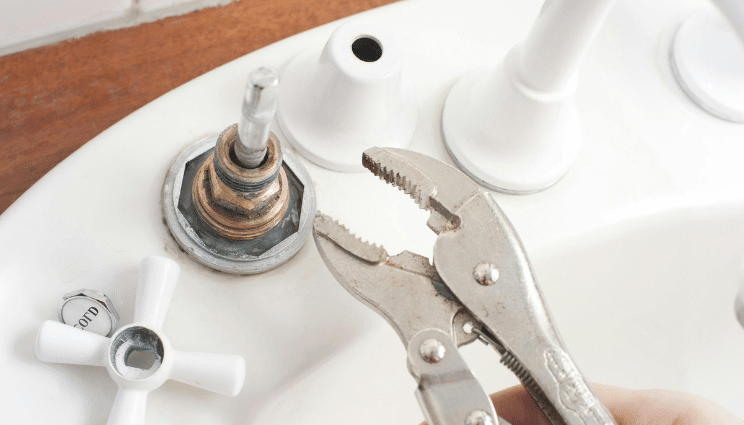
Before we finish, we slowly restore flow and watch every joint for signs of seepage or pressure swings. This controlled refill helps us spot any issues right away and protect your cabinets and floors.
Turning flow back on and checking pressure
We open the dedicated shutoff slowly, observing each connection for even a hairline drip. Then we confirm steady supply pressure at the dispenser and that the ice maker fill cycle runs normally.
If you find leaking refrigerator water
If a leak appears, we first close the valve and protect the area. Next, we re-seat fittings, tighten compression nuts, or replace a faulty part and retest until the system is dry and reliable.
- Watch for damp spots or small puddles over the next 24 hours; some leaks show after the fridge is pushed back.
- We make final route adjustments so the tubing won’t rub, vibrate, or crimp, and ensure the shutoff stays reachable.
- We leave clear steps for you: shut the valve first, protect the floor, and call our team for prompt repair if moisture returns.
Cost factors in Chicago for installing a water line for an ice maker
Price depends on access, home age, and appliance needs—here’s how Chicago pricing usually breaks down.
Typical hourly-rate pricing and timing
Many local jobs are billed by the hour. A straightforward installation often takes about an hour when access is good.
Typical hourly rates range from $50–$150/hr, which helps you budget for the service and any brief parts work.
What increases cost
Longer pipe runs or no nearby cold source add materials and labor time.
Older houses may hide corroded valves or tight cavities that slow progress and raise costs.
High-end refrigerator models sometimes require stricter fittings, filtration prep, or special connectors that add time.
When scope grows: repairs and code work
If we find a failing shutoff, corrosion, or outdated plumbing, we often recommend replacement or repair during the visit.
Code updates or required permits can also change the scope; we explain options and costs clearly so you can choose what’s best for your home.
- Budget tip: Clear access and a nearby cold source keep most jobs near one hour.
- Expect extra: Long runs, hidden repairs, or appliance requirements add time and cost.
- We communicate: Any expanded work is explained before we proceed.
When to repair or replace a refrigerator water line instead of installing new
Small drips or slow dispensing are often the first signs that a supply run needs attention. We inspect flow, check the ice maker cycle, and look for pooling under or behind your unit.
Common, fixable causes include loose connections, a faulty shutoff valve, mineral clogs, or low water pressure that reduces flow and ice size.
Signs of trouble
- Slow dispenser flow or weak ice production from the ice maker.
- Small, cloudy, or hollow ice cubes and irregular maker cycles.
- Pooled moisture beneath cabinets or damp flooring that signals a hidden leak.
We decide between targeted repair and full replacement based on tubing condition and accessibility. If tubing is brittle, repeatedly leaking, or routed in an inaccessible spot, replacement is safer and more durable.
Preventing damage with fast action
Quick leak detection stops small problems from becoming major repairs. Keep the area clear, know where the shutoff valve is, and avoid pinching the supply when moving the appliance.
- When repair is enough: single loose fitting, replaceable shutoff, or a minor clog.
- When replacement is best: recurring leaks, brittle tubing, or hidden routing that risks future damage.
- Preventive step: regular checks of pressure and fittings help protect your home and stop costly restorations.
Why Chicago homeowners choose J Sewer & Drain Plumbing for fridge water line services
Chicago homeowners trust a team that blends family values with practical skill when handling kitchen supply connections.
Family-owned, two-generation company
Welcome to J Sewer & Drain Plumbing Inc. We are a family-owned, two-generation team established in 2017. Plumbing is our passion, and every customer is treated like family.
Service area, hours, and scheduling
We serve Chicago, IL and nearby areas. Our hours are Monday–Saturday: 24 hs Open, making it easier to schedule around your life.
Contact and locations
Call (773) 968-2704 or email jsewerdrainplumbing@gmail.com for quick scheduling, repair advice, or a site visit.
- Chicago Office: 3343 N Monticello Ave, Chicago, IL 60618
- Wilmette Office: 809 Ridge Rd, Wilmette, IL 60091
- New Location: 3017 N Elston Ave, Chicago, IL 60618
We combine professional workmanship with a caring, family-first approach. Expect clear communication, upfront expectations, and careful in-home work so you can feel confident and worry-free with the results.
Conclusion
A well-executed connection keeps your kitchen dry and your ice maker running on schedule.
Proper fridge water line work ensures steady flow, reliable ice, and fewer hidden moisture problems in your kitchen. Professional installation and careful testing stop small fitting mistakes from becoming costly repairs once the appliance is pushed back.
Sometimes a targeted repair is the smarter choice; we’ll advise based on access, safety, and long-term reliability. When you want the job done right by a local plumber team, we provide clear guidance and respectful in-home service.
Call J Sewer & Drain Plumbing Inc. at (773) 968-2704 or email jsewerdrainplumbing@gmail.com to schedule service in Chicago and nearby areas. Hours: Monday–Saturday, 24 hs Open. Offices: 3343 N Monticello Ave, Chicago; 809 Ridge Rd, Wilmette; 3017 N Elston Ave, Chicago.