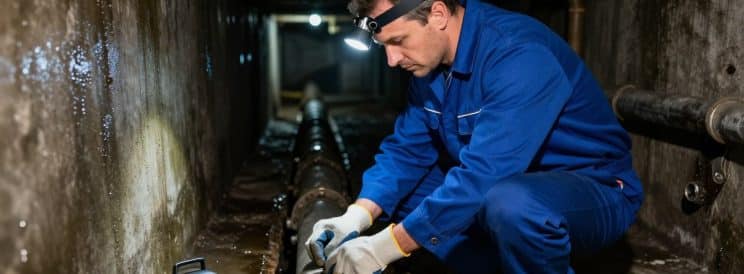
When wastewater reverses and flows into your living space, it becomes a fast-moving health and property threat. Calling a plumber for sewage backup right away can help stop the problem before it causes major property damage, strong odors, and potential health risks. We know this moment feels alarming, and you’re not alone; our family-owned team in Chicago steps in quickly to protect your home and well-being.
In this short guide, we explain how to spot a potential backup, what immediate safety steps to take, and when to reach out for professional help. J Sewer & Drain Plumbing Inc. has served Chicago, IL and nearby areas since 2017, operating Monday through Saturday, 24 hours open.
We treat every customer like family and respond fast to emergencies. Save this contact now: (773) 968-2704 and jsewerdrainplumbing@gmail.com. Our locations: 3343 N Monticello Ave, 3017 N Elston Ave, Chicago, IL; 809 Ridge Rd, Wilmette, IL.
Key Takeaways
- Act quickly—wastewater in living areas is a health and damage emergency.
- Learn simple safety steps to reduce risk before help arrives.
- We serve Chicago and nearby areas with fast, family-focused service.
- Contact us any time Monday–Saturday; we offer rapid response.
- Save our phone and email for immediate access to professional help.
- Our three local offices reinforce our commitment to the community.
What a sewage backup is and why it’s an emergency in your home
When drains push dirty water back into your lowest rooms, the issue becomes an urgent safety concern. In simple terms, a sewer problem happens when wastewater can’t exit through the local sewer system and has nowhere to go, so it forces its way back into drains and low fixtures like basement floor drains, showers, and tubs.
How wastewater reverses through your sewer system
Pressure builds behind a blockage, and that pressure seeks the nearest escape. Lower-level drains show symptoms first because gravity pulls fluids to the lowest point in the home.
One blocked section can spread problems to multiple fixtures as the water looks for routes out of the pipes. A prompt, professional diagnosis helps stop further contamination and damage.
Health hazards from raw sewage and bacteria exposure
Raw sewage can contain harmful organisms like E. coli, Salmonella, Hepatitis A, and Giardia, plus chemical pollutants. Contact or airborne droplets can cause gastroenteritis, skin infections, respiratory problems, and other illnesses.
- Limit access to affected areas immediately, especially for children, older adults, and those with weak immune systems.
- Avoid touching or tracking contaminated water through the home.
- Call professionals for safe removal and cleaning to reduce long-term health and property risks.
Warning signs your sewer line is backing up
A subtle change in smell or sound can be the first hint that your sewer line needs attention. We speak directly to you as a homeowner or property manager in Chicago: spotting signs early helps protect your property and health.
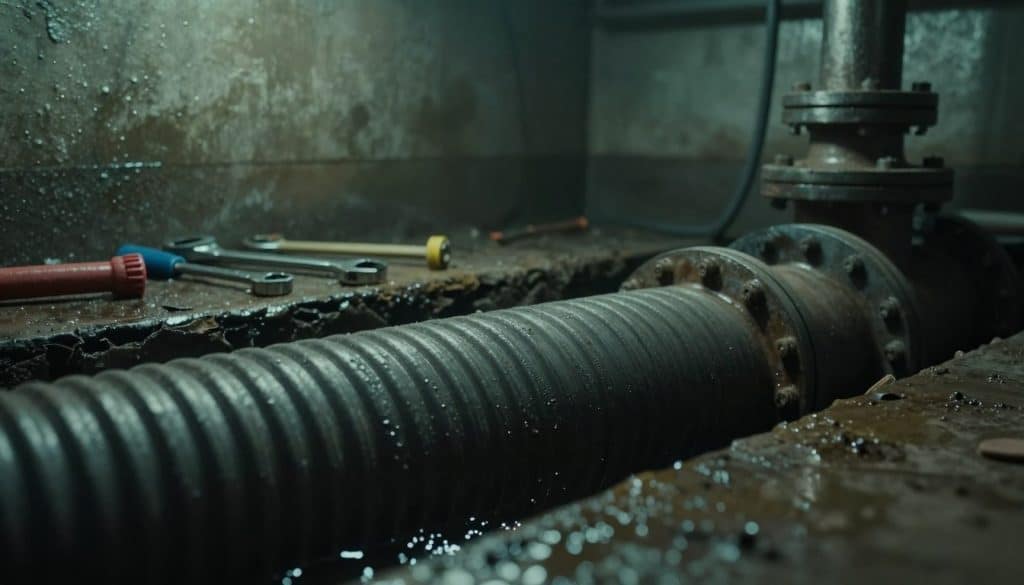
Foul odors, gurgling drains, and multiple fixtures clogging at once
Foul odors often mean trapped sewer gases are escaping from a compromised line. That smell is a clear early warning you should not ignore.
Gurgling from a toilet or other drains happens when air is forced through water traps. When several fixtures clog at the same time, the problem is likely in the main line, not a single drain.
Water backing up in the shower or tub when other appliances run
If running the washer or dishwasher makes water rise in the shower or tub, it shows the line cannot handle extra discharge. This tell is a common indicator that the main sewer line is overwhelmed.
Wet spots in the yard near the main line
Persistent wet patches or soggy ground near where the main line runs can point to a leaking or clogged line. Check your yard after dry weather; consistent dampness deserves documentation.
- Record what you see: which drains, which floor, and when it happens.
- Note sounds and smells: these clues speed up diagnosis when we arrive.
- Act early: small signs often stop larger water and health damage.
Common causes of sewage backups in Chicago-area homes
Most incidents start when something blocks the path that carries waste out of your home. That clog or break forces water to find another route, which can cause a messy, costly problem. We explain the usual reasons and simple next steps.
Tree roots invading pipes and catching debris
Tree roots seek moisture and will enter tiny cracks or joints. Once inside, roots form a dense network that catches debris and creates a major blockage. If you see recurring slow drains, tree roots may be the culprit.
Grease, wipes, and other non-flushable items creating blockage
Grease cools, firms, and clings to pipe walls. “Flushable” wipes and other items snag and build mats over time. Change habits: keep grease out of drains and toss wipes in the trash to reduce risk.
Aging, cracked, or collapsed sewer pipes and shifting soil
Older pipe materials can corrode, crack, or collapse, especially where soil shifts or freezes. Repeated incidents and yard wet spots often mean a damaged line that needs inspection and repair.
Heavy rainfall overwhelming municipal sewer systems
Intense rain can overload the city system, pushing water back into lower fixtures. When the real reason isn’t clear from inside your house, a camera inspection helps pinpoint roots, foreign items, or pipe damage and prevents repeat events.
- Quick tip: Note which fixtures act up and when.
- We recommend: camera diagnosis to find the true cause.
- Protect your home: change disposal habits and monitor yard moisture.
What to do immediately when sewage backs up
Act calmly but quickly—your first goal is to stop the situation from getting worse and protect everyone in your home.
Stop using water fixtures
Do not flush the toilet, run faucets, or start the washer or dishwasher. Any extra water can push more into drains and raise damage.
Shut off the main water supply if overflow continues
If overflow keeps happening or you cannot control the flow, turn off your home’s main water valve. This limits additional water entering the system and gives you time to call for help.
Turn off electricity in affected areas
Standing water and outlets create a serious hazard. If water nears electrical outlets or appliances, switch off the breaker to that area and avoid wet surfaces. If unsure, contact an electrician.
Keep children and pets away and ventilate the area
Close doors and block access to the affected areas. Open windows to move fresh air and reduce odor while you wait for assistance.
- Call immediately: (773) 968-2704 or jsewerdrainplumbing@gmail.com
- We’re open Monday–Saturday: 24 hours Open to serve Chicago, IL and nearby areas
Safe DIY steps vs. when to call a plumber
Knowing when a simple tool will do and when to get professional help keeps your home safe. We want you to act in ways that protect your family and avoid making a small issue worse.
When a plunger or drain snake might help a minor secondary line issue
If only one fixture is slow or clogged, a plunger or a small drain snake can clear a simple clog. Wear gloves, keep splashing low, and use steady pressure.
Stop if you hit hard resistance or the tool won’t advance; forcing tools can crack a pipe or push the blockage deeper.
Why a main line issue needs professional attention fast
When multiple drains act up, or sewage appears, the problem often involves the main line or sewer line. That level of contamination needs rapid, professional attention to limit health risk and property damage.
Don’t use chemical drain cleaners
Chemical cleaners rarely clear severe blockages, can eat away at pipes, and may cause chemical burns to technicians who later work on the line. Avoid them; call us instead.
- Decision rule: If sewage is present, more than one drain is affected, or the problem returns quickly, call a professional for proper diagnosis and repair.
Plumber for sewage backup: how a pro diagnoses the issue
Pinpointing the exact source of the issue lets us choose the safest, least disruptive repair. We begin by listening to your description, then run focused tests to narrow whether the problem sits in a branch line or the main line.
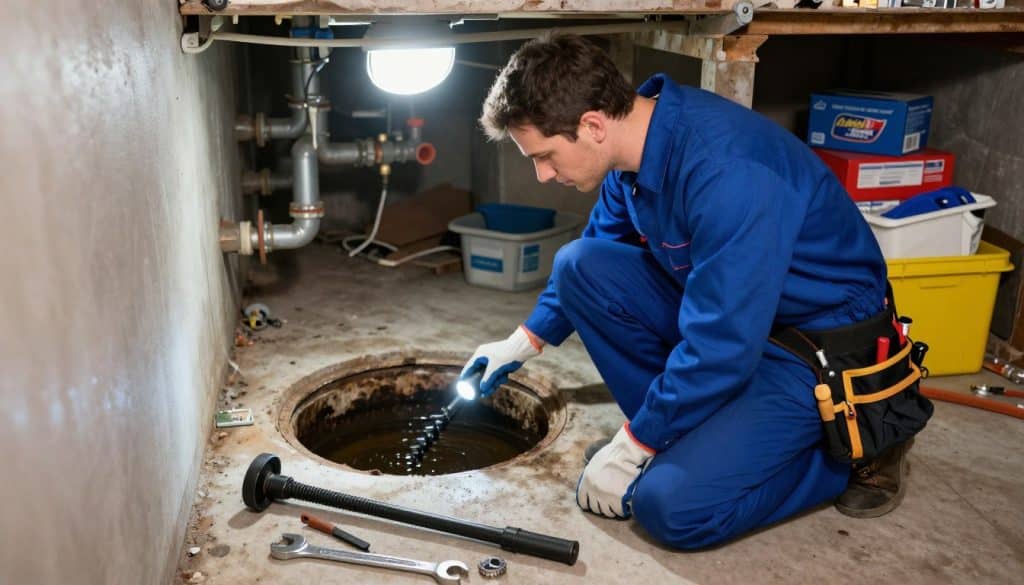
Pinpointing main line versus branch line problems
Multiple clogged fixtures or water in the lowest drains usually points to the main line. A single slow sink or shower more often means a branch line issue.
Sewer camera inspection to locate roots, foreign objects, or pipe damage
We feed a high-definition camera into the line to see roots, grease mats, foreign objects, cracks, or collapsed sections in real time.
- Targeted diagnosis: camera images tell us where the blockage sits.
- Less guesswork: repairs are chosen based on actual findings, not assumptions.
- Minimized disruption: we avoid unnecessary digging when we can.
Identifying recurring issues that signal deeper system problems
Repeat incidents often mean root intrusion, shifted joints, or failing pipes that need more than a quick clear. We explain what we see, outline repair options, and recommend a plan that balances cost and long-term reliability.
Professional repair and cleaning options for stubborn backups
Effective restoration means matching the right cleaning tool to the condition of the pipe, not just clearing the visible clog. We choose approaches that stop the immediate flow and protect your home long term.
Hydro jetting to remove grease buildup, debris, and some tree roots
Hydro jetting uses high-pressure water to scour the inside of pipes. It removes grease, mineral buildup, and light root intrusion, restoring flow and reducing future damage.
Augering and targeted drain cleaning for tough clogs
When a focused clog resists simple clearing, a professional auger or targeted cleaning clears the obstruction without over-stressing the system. This option is quick and cost-efficient for localized problems.
Spot repairs and pipe relining as less invasive fixes
Cracks or collapsed sections sometimes need a spot repair—excavating and replacing only the damaged section. When the existing line can support it, pipe relining offers a “pipe within a pipe” solution that avoids full replacement.
When full replacement is the best long-term option
If pipes show extensive corrosion, shifting, or repeated incidents, full replacement provides lasting protection. We explain each option clearly and recommend the solution that meets code and your budget.
- Our promise: safe, code-conscious repairs that limit future problems.
- Options explained: we match hydro, augering, relining, spot work, or replacement to your needs.
- Long-term focus: we aim to restore flow and prevent repeat issues in Chicago-area homes.
Cleanup, water damage control, and protecting your health after a backup
Once contaminated water touches floors or walls, quick action limits health risks and long-term damage. We focus first on safety, then on stopping spread of water and bacteria.
Protective gear before entering affected areas
Wear rubber boots and gloves, protective eyewear, an N95 respirator, and disposable coveralls to reduce exposure to bacteria and contaminated waste. Keep children and pets out of the area until it is safe.
Remove standing water and begin drying within 24–48 hours
Remove standing water quickly using a wet/dry vacuum or a submersible pump. Run fans and dehumidifiers to move air and cut drying time.
Pull up wet carpet and padding, and remove any drywall soaked at the base to prevent mold and structural damage.
Disinfect surfaces and know when to relocate
Thoroughly disinfect hard surfaces, baseboards, and lower walls after water is gone. Porous materials that absorbed sewage or waste often need removal.
Consider temporary relocation if contamination is widespread, sleeping areas are affected, strong odors persist, visible mold appears, or electrical and structural hazards exist.
- Health first: personal safety and bacteria reduction come before salvage efforts.
- Act fast: drying within 48 hours prevents much of the long-term damage.
- We can help: when you’re unsure what to keep or how to proceed, we guide next steps after repairs are complete.
Preventing future sewer backups with inspections and better habits
Routine attention to your drains and pipes gives you control and peace of mind. We help Chicago households reduce stress, cost, and health risks with clear, family-minded advice.
Annual inspections to catch problems early
Schedule a professional inspection at least once a year to spot cracks, buildup, or developing blockages while they are small. Inspections are especially useful in older homes where shifting soil can weaken a line.
Proper waste disposal to protect pipes
Never flush non-biodegradable items such as wipes, diapers, or personal care items. Use sink strainers and toss coffee grounds and eggshells in the trash. Keep oils and liquids out of drains to limit long-term buildup.
Reduce root intrusion risk around older lines
Roots exploit tiny openings and worsen quietly. Routine monitoring, timely repairs, and targeted maintenance reduce the chance of sudden backups. We recommend prompt attention when inspections show early root activity.
- Peace of mind: small steps prevent costly problems.
- Annual inspection: catch trouble before it grows.
- Smart habits: proper disposal protects pipes and your home.
Conclusion
A timely response to contaminated water keeps your family safer and reduces damage. When sewer or sewage reaches living areas, quick safety steps and fast professional help matter most.
J Sewer & Drain Plumbing Inc. is a family-owned, two-generation team established in 2017. We offer trusted services and clear repair plans, from camera diagnosis to targeted cleaning and long-term solutions.
Call (773) 968-2704 or email jsewerdrainplumbing@gmail.com to schedule and feel confident in your home. We’re open Monday–Saturday, 24 hours Open, serving Chicago, IL and nearby areas.
Locations: 3343 N Monticello Ave, Chicago, IL 60618; 3017 N Elston Ave, Chicago, IL 60618 (Our New Location!); 809 Ridge Rd, Wilmette, IL 60091.
Quick plan: stop using water, isolate the area, shut electrical circuits if needed, avoid chemical cleaners, and call us for emergency services and lasting repair.