Have you wondered, Is hydro jetting safe for older or fragile pipes?, and whether a high-pressure cleaning method can harm an aging sewer line in your Chicago home?
We are J Sewer & Drain Plumbing Inc., a family-owned plumbing ally serving Chicago, IL and nearby areas since 2017. We treat every customer like family and put long-term protection of your plumbing first.
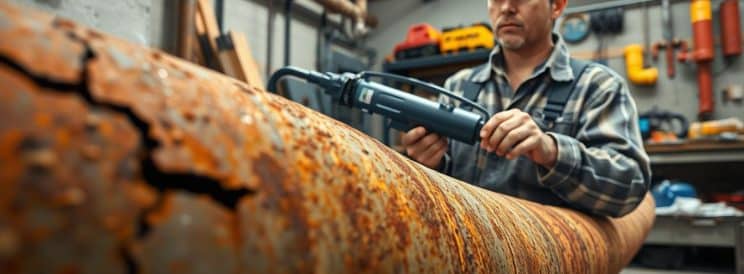
Homeowners often worry that old pipes mean automatic danger. In truth, pipe condition matters more than age. A damaged line with weak joints can be worsened by high pressure, while a well-maintained old line can tolerate cleaning.
In this guide we will explain how the process works, what warning signs to watch for, why a camera inspection is key, and when repairs or alternatives are the better option. We focus on confirming your system is a good candidate before recommending high-pressure work.
Our promise: clear steps, honest assessment, and practical advice you can use when you talk with a plumber about drain issues. Call (773) 231-8869 or email [email protected] to schedule and feel confident in your home.
Key Takeaways
- Age alone does not decide risk; condition does.
- We use inspection and careful settings to reduce harm.
- Camera checks reveal joints, material, and weak spots.
- Sometimes repair or gentler options are the better choice.
- J Sewer & Drain Plumbing Inc. serves Chicago and nearby areas with family-first service.
Understanding hydro jetting and how high-pressure water cleans pipes
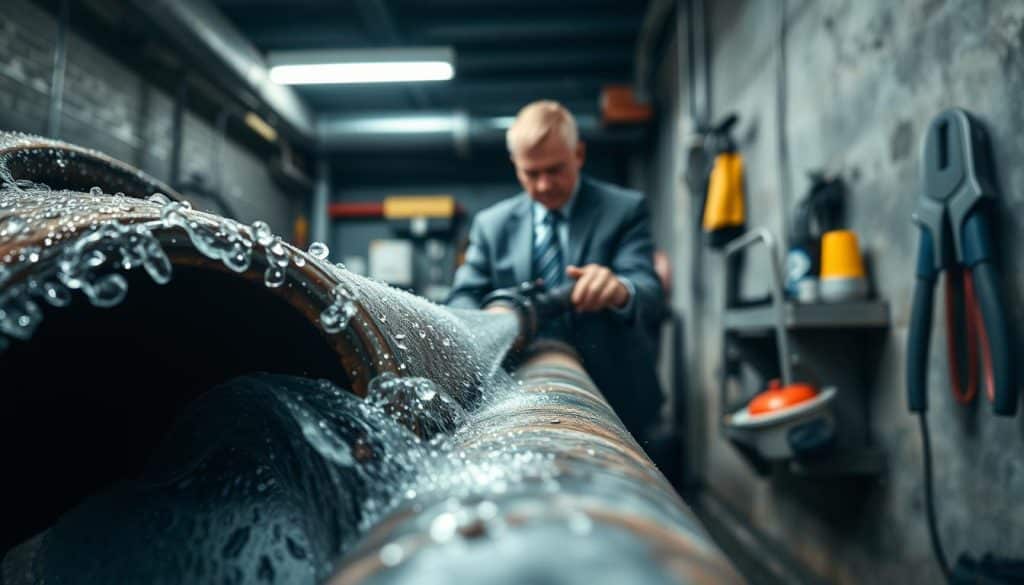
Using a pressurized hose, technicians scour the inside of a line to remove stubborn blockages. We connect a specialized hose to a pressurizing machine and feed it into your drain or sewer line.
The nozzle sprays forward and backward to break and wash away grease, sludge, sediment, mineral scale, and root-related obstructions. The loosened debris flushes out, restoring the pipe diameter and improving flow.
Step-by-step, here’s how we work:
- Insert the jetting hose into the access point.
- Use controlled pressure to scour the walls while advancing the nozzle.
- Flush out debris and confirm flow with a quick inspection.
What hydro jetting removes from drain and sewer lines
Common materials cleared:
- Grease and congealed fats that cause slow drains.
- Sludge and sediment that narrow the interior.
- Mineral scale and root intrusions that lead to repeated clogs.
Why jetting differs from snaking for recurring clogs
Snaking often punches a hole through an obstruction, leaving residue behind. Jetting aims for a full clean of the walls, which reduces repeat calls and improves performance across multiple drains.
We always match pressure and nozzle choice to your system and explain the plan before work begins, because clear communication is part of our family-first service.
Is hydro jetting safe for older or fragile pipes?
Before any high-pressure cleaning, we check whether your sewer line can handle the force without risking further harm. Safety depends on your system’s actual condition, not the installation date.
Why condition matters more than age
A well-maintained 60-year-old pipe can tolerate cleaning better than a newer line with bad joints. We inspect material, joints, and signs of corrosion before deciding on pressure and nozzle selection.
When high-pressure water can cause damage
High pressure finds weak spots. Cracks, separated joints, or thin corroded sections can fail under force, creating leaks, worse clogs, or sudden breaks.
Warning signs your plumbing system may be too fragile
- Frequent clogs or backups across multiple fixtures
- Slow drains in more than one room
- Rust flakes, discolored water, or visible corrosion
- Prior spot repairs or recurring leaks
- Tree roots that have cracked or displaced the line
When we see these indicators, we’ll recommend gentler options or repairs instead of pushing risky work. Our goal is honest protection of your plumbing and long-term performance.
How plumbers verify your sewer line is a good candidate
We begin with a short camera inspection so we can make an informed, family-first decision about cleaning. This quick diagnostic protects your property and avoids surprise costs.
Why a sewer camera inspection matters
A drain video camera gives real-time footage of the sewer line. Plumbers use this to assess structural integrity and confirm whether jetting is an appropriate choice today.
What the camera looks for inside older pipes
The camera reveals exact problem spots. We check for cracks, joint separations, corrosion and scale, sagging sections, root intrusion, collapses, and past patches.
- Verify strength: confirm pipe walls can handle pressure.
- Target cleaning: locate the true clog so we use the right nozzle and approach.
- Confirm results: run the camera after work to prove the line is clear.
Camera inspection adds a small amount of time up front, but it often saves major time and expense later. When footage shows failure points, we pivot to safer repairs or alternatives rather than risk damage.
Material-by-material risks in older homes
When we inspect older systems, the material makeup tells us how aggressive a cleaning plan should be. Each material ages differently, and that changes our approach to protect your home.

Clay and tree root concerns
Clay can crack and shift at joints. Over time, tree roots exploit these gaps and cause leaks and blockages.
We look for root intrusion on the camera before any major cleaning. If roots are present, cutting and targeted removal is often the best solution.
Cast-iron: corrosion and scale buildup
Cast-iron pipes are strong but collect rust and mineral buildup that narrow the passage. Cleaning can restore flow, but heavy corrosion must be fixed first.
Galvanized steel and internal rust
Galvanized steel pipes often suffer internal rust that slowly reduces the opening. Dislodging large flakes can create new blockages, so we plan carefully.
PVC: joint checks and degradation
PVC usually holds up well, but joint integrity and any degradation need verification. When joints are sound, cleaning is typically straightforward.
- Questions to ask: What material do you think the line is, and what did the camera show?
- Watch for: slow drains, recurring backups, and visible corrosion.
- Our goal: match the cleaning approach to the material to prevent damage and reduce future blockages.
How to reduce risk and get the best results from hydro jetting
We prioritize control: matching nozzle type and pressure to your system before any work begins.
Using the right nozzle, pressure settings, and cleaning approach
Safe service starts with the correct nozzle and a modest pressure setting. We begin gently, then increase only if the line tolerates the work.
Controlled cleaning scours the walls and pushes debris out without surprise damage.
Targeting tree roots, grease, and mineral deposits safely
Jetting can remove tree roots and heavy buildup when the line is sound. If the camera shows structural flaws, we pause and discuss repair before continuing.
Grease clings to walls and mineral scale narrows passages; high-pressure water breaks and flushes these without harsh chemicals.
Confirming results and spotting issues early after cleaning
We verify success with flow checks and, when helpful, a post-cleaning camera inspection. That final check reveals missed buildup or newly exposed defects.
- Start gentle: avoid forcing pressure through suspect areas.
- Adjust on the fly: base settings on resistance and inspection findings.
- Watch after service: call us if drains slow, gurgle, or show odor in the days ahead.
When hydro jetting isn’t the best option for old pipes
Not every clog needs powerful cleaning; sometimes a targeted, low-impact fix is wiser. We start with a camera inspection and clear guidance so you choose the best option for your plumbing.
Alternatives that protect fragile systems
Drain snaking uses motorized augers to reach a localized clog. It opens a blocked section without stressing the whole line. This is a practical option when the problem is isolated.
Enzyme treatments break down organic buildup slowly. They are gentle, maintenance-oriented solutions that reduce repeat clogs and limit chemical use.
Pipe descaling uses rotating cables to remove heavy scale. It can be paired with other methods depending on material and corrosion. We match tools to the system to avoid unintended damage.
When repair or replacement makes more sense
- If inspection shows severe corrosion, collapse, or unstable patches, cleaning is only temporary.
- Repeated backups or failing sections often call for repair, repiping, or trenchless replacement as a long-term solution.
- We recommend the safest path based on camera findings, balancing cost, risk, and how long the fix should last.
Hydro jetting services in Chicago, IL and nearby areas
Scheduling the right service starts with a brief diagnostic that reveals the true cause of backups. We recommend a sewer camera inspection before any cleaning so your service is guided by real footage, not guesswork.

Work with J Sewer & Drain Plumbing, a family-owned Chicago plumber since 2017
J Sewer & Drain Plumbing Inc. is family-owned and community-focused. Established in 2017 as a two-generation team, we treat every customer like family and explain each step before work begins.
Contact details and hours for scheduling service
- Phone: (773) 231-8869
- Email: [email protected]
- Hours: Monday–Saturday: 24 hours Open
Our locations in Chicago and Wilmette
-
- Chicago Office: 3343 N Monticello Ave, Chicago, IL 60618
- Wilmette Office: 809 Ridge Rd, Wilmette, IL 60091
- New Location: 3017 N Elston Ave, Chicago, IL 60618
We provide hydro jetting and drain/sewer cleaning across Chicago and nearby areas with a safety-first process. When you call, we’ll ask about symptoms, property type, and any known material history so we plan the safest next step. Our team works fast but carefully, giving you clear options and honest timelines.
Conclusion
Start with a clear inspection: that simple step tells us whether a high-pressure approach is appropriate. When your line’s condition is sound, hydro jetting safe practices restore flow and cut recurring clogs.
We protect your property by confirming integrity first, often with a camera inspection, then matching technique and pressure to each section of the pipe. If weakness appears, we propose gentler options or repairs instead of risk.
When done correctly, this work cleans wall buildup without harsh chemicals and reduces repeat issues. If you want a careful, family-first recommendation in Chicago, call us at (773) 231-8869 or email [email protected] to schedule an inspection-first service.
FAQ
Is hydro jetting safe for older or fragile pipes?
When performed by experienced technicians using proper pressure and nozzles, high-pressure water cleaning can be safe for many aging systems. Safety depends largely on the pipe’s condition, material, and prior damage. We always inspect lines first to confirm suitability and avoid harm.
What does high-pressure water cleaning remove from drain and sewer lines?
This method blasts away grease, soap and hair clogs, mineral scale, sludge, and small debris. It also chips away at tree roots near joints and clears buildup that snaking often can’t fully remove, restoring better flow throughout the line.
How does this differ from snaking for recurring clogs?
A mechanical auger usually cuts or pushes a channel through a blockage but leaves residue on the pipe walls. Water-based cleaning strips the walls clean, reducing the chance of quick recauses and improving long-term performance.
Why does pipe condition matter more than pipe age?
Two pipes installed the same year can differ widely; one may be intact while the other shows cracks, corrosion, or loose joints. We focus on current structural integrity rather than installation date to decide whether pressure cleaning is appropriate.
When can high-pressure water cause damage?
Damage risk rises when lines have cracks, separated joints, advanced corrosion, or thin wall sections. Excessive pressure or the wrong nozzle choice can worsen existing breaks or force roots deeper into weak joints.
What warning signs indicate a plumbing system may be too fragile?
Signs include persistent slow drains, frequent leaks, visible cracks in exposed sections, rusty or crumbling material, and prior collapses. If you’ve had repeated repairs or sewage backups, we take extra care before recommending cleaning.
How do plumbers verify a sewer line is a good candidate before cleaning?
We perform a full sewer camera inspection to view the interior condition. That allows us to measure defects, locate offsets or collapses, and choose safe pressure settings or recommend alternatives when needed.
What does the camera inspection look for inside older lines?
The camera assesses cracks, root intrusions, joint separation, corrosion, scale buildup, collapses, and any foreign objects. It documents problem areas so we can tailor our approach or advise on repair options.
Are clay pipes at greater risk, especially with roots?
Clay and terra-cotta joints can be prone to root entry and offsets. If roots have invaded or the joints are loose, water cleaning can dislodge material or widen gaps, so we inspect and may recommend targeted root cutting or replacement instead.
How do cast-iron pipes behave with this cleaning method?
Cast iron often has internal rust and scale. Properly adjusted pressure removes buildup effectively, but severely corroded sections can be fragile. We use conservative pressures and inspect for thin walls before proceeding.
What about galvanized steel lines and internal rust narrowing?
Galvanized piping may have significant internal corrosion that narrows the bore. High-pressure cleaning can restore flow by removing rust flakes, but if the wall thickness is compromised, replacement may be safer long-term.
Can PVC pipes handle pressure cleaning, and what should be checked?
Modern PVC typically tolerates cleaning well, but we check joint condition and any brittle spots from age or UV exposure. Proper nozzle selection and moderated pressure protect solvent-welded or aged connections.
How do plumbers reduce risk and get the best results?
We choose nozzle types, pressure ratings, and entry points based on the camera findings. Technicians start at lower pressures, monitor the pipe during cleaning, and adjust cleaning patterns to avoid shock to fragile sections.
How are tree roots, grease, and mineral deposits targeted safely?
Roots are first scored with specialized nozzles, then flushed out while avoiding aggressive force near weakened joints. Grease and mineral scale are ablated with sustained, controlled passes that clear material without sudden pressure spikes.
How do you confirm results and spot issues after cleaning?
We rerun the camera to verify clearance, check for new leaks or joint separation, and test flow. If we see concerning changes, we pause further cleaning and discuss repair or replacement options with you.
When isn’t pressure cleaning the best option for old lines?
If the camera shows collapsed sections, large offsets, severe corrosion, or major joint separation, we’ll recommend alternatives to avoid making things worse. Safety and a long-term solution guide our advice.
What alternatives exist to high-pressure cleaning?
Options include mechanical snaking, enzyme or bacterial treatments for organic buildup, localized root cutting with hand tools, pipe descaling, and repair methods like pipe lining or trenchless replacement when needed.
When should repair, repiping, or trenchless replacement be chosen over cleaning?
Choose replacement when structural damage, repeated failures, or ongoing collapses threaten service life. Trenchless methods, like cured-in-place pipe lining, often restore integrity without full excavation and suit many Chicago-area homes.
Do you offer services in Chicago, IL and nearby areas?
Yes. J Sewer & Drain Plumbing, a family-owned Chicago plumbing company since 2017, serves Chicago and surrounding communities with inspections, cleaning, and repair options tailored to older systems.
How can homeowners schedule service or get more information?
Contact J Sewer & Drain Plumbing during business hours for same-day assessments, camera inspections, and quotes. We provide clear pricing, service windows, and caring, professional support for every job.
Where are your locations in Chicago and Wilmette?
J Sewer & Drain Plumbing operates from Chicago with coverage extending to Wilmette and nearby suburbs. Call or visit our website to confirm service areas, hours, and to book an inspection with our team.