
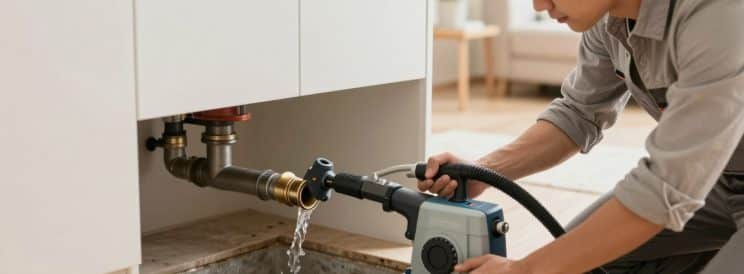
Is Drain Cleaner Bad for Pipes? We Explain

Could a single, quick fix actually harm your home? Many homeowners reach for a bottle when a sink or tub stalls, but that bottle can trigger heat and chemical reactions inside your plumbing. We answer the question “is drain cleaner bad for pipes” so you know the risks before you pour anything down your drain.

At J Sewer & Drain Plumbing Inc., a family-owned, two-generation team serving Chicago since 2017, we treat every customer like family. We focus on protecting your home and your pipes with clear, practical advice.

Chemical drain and liquid drain products often contain strong agents like lye or acids. They can work fast on surface clogs, yet may not solve deeper blockages and can stress metal or older plumbing. A clogged drain might point to a larger issue, so guessing often makes things worse.

Read on for safer first steps—plungers, snakes, household mixes, and when to call our pros—so you avoid repeat problems and long-term damage.

Available Monday through Saturday, 24 hours open. Call (773) 968-2704 or email jsewerdrainplumbing@gmail.com to schedule and feel confident in your home.

Key Takeaways

  • Know the risk: chemical products can generate heat and harm vulnerable systems.
  • Quick fixes may fail: surface clearing rarely addresses deeper clogs.
  • Try safer methods first: plungers, mechanical snakes, or baking soda mixes.
  • Watch symptoms: one clogged drain can signal bigger plumbing trouble.
  • Trust a caregiver approach: we protect your home with clear, honest recommendations.

Why This Question Matters for Homeowners in Chicago and Nearby Areas

A simple fix today can mean costly repairs down the block tomorrow for many Chicago homes. We want you to protect your property while keeping costs low over time.

What a quick fix can cost over time

Using a chemical cleaner as a one-off often clears a visible clog, but repeated use can speed corrosion and wear. That damage shows up slowly: small leaks under cabinets, cracked fittings, and weakened joints that invite bigger repairs.

A busy Chicago drain maintenance scene, showcasing a team of professionals in modest, professional attire inspecting a large, open storm drain in the foreground. The workers, equipped with tools including a sewer camera and cleaning equipment, demonstrate an attentive, collaborative atmosphere as they discuss the condition of the pipes. In the middle ground, a cityscape of Chicago is visible, featuring iconic architecture with a bright blue sky overhead, hinting at a sunny day. The background displays vibrant greenery along the sides of the street and industrial elements, adding to the urban setting. The lighting is natural and warm, enhancing the mood of diligence and community responsibility. Shot from a low angle, bringing attention to both the workers and the infrastructure they maintain.

When a slow flow becomes a system concern

One slow sink may signal a deeper problem in your plumbing system. Multiple slow drains, recurring backups, or frequent clogs mean the issue may be farther down the line, not just at the fixture.

  • Real ownership costs: quick fixes can lead to repeat service calls and water damage.
  • Older homes need care: worn materials in Chicago homes can worsen under harsh treatment.
  • Prevention-first mindset: we focus on lasting repair, not temporary openings that risk damage pipes.

We serve Chicago and nearby areas with family values, transparency, and hands-on expertise. Understanding what’s inside a cleaner is the next step to choosing safer options for your home.

What Drain Cleaner Is Made Of and How It’s Supposed to Work

Before pouring anything down a line, it helps to know the actual ingredients at work. We break down what typical formulas contain so you can make safer choices for your home.

Common components: many chemical drain cleaners include sulfuric acid, hydrochloric (muriatic) acid, bleach, or lye variants such as sodium hydroxide and potassium hydroxide.

Three main types:

  • Caustic: lye-based mixes (sodium hydroxide / hydroxide) that create a hot chemical action to break down hair and grease.
  • Oxidizing: bleach-like formulas that change organic matter by oxidation rather than cutting it away.
  • Acidic: strong acids such as sulfuric or hydrochloric that react aggressively with organic blockages.

Liquid drain cleaners depend on chemical reaction and the heat that follows. That heat helps dissolve organic build-up, but it may not remove bulky blockages or reach deep clogs. If the material in the line isn’t the right type, concentrated chemicals can sit and underperform.

Our take: these products work sometimes, yet repeated use risks long-term wear. We recommend trying safer mechanical or professional options when in doubt.
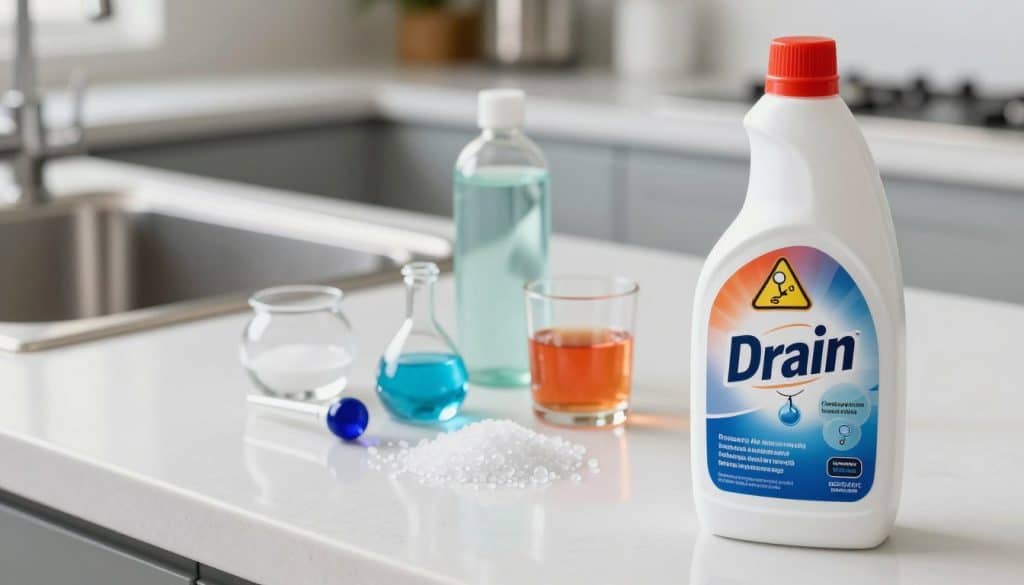
A highly detailed, close-up image of a bottle of drain cleaner placed on a well-lit kitchen counter. The foreground features the bottle prominently, showcasing its vibrant label with safety warnings and instructions for use. In the middle, various ingredients used in drain cleaners, such as crystals, liquids, and chemical symbols, are artfully arranged to illustrate their chemical composition. The background shows a clean, organized kitchen with stainless steel fixtures and subtle reflections from the counter. The lighting is bright and natural, creating a clear view of the product and its surroundings. The overall atmosphere is informative and focused, inviting viewers to consider the science behind drain cleaners and their effects on plumbing. - is drain cleaner bad for pipes

Is drain cleaner bad for pipes?

When a strong formula meets a stubborn blockage, the reaction can concentrate heat and risk damage. We answer plainly: yes, chemical drain and liquid drain products can harm pipe systems under certain conditions, and knowing why helps you protect your home.

How heat buildup can warp PVC and weaken seals

Heat from a chemical reaction can soften plastic materials. PVC may deform, and joint seals can lose integrity.

Those changes may not leak right away, yet they raise the chance of future water loss and repair needs.

How harsh chemicals corrode older metal plumbing

Acidic or caustic agents attack metal surfaces over time. Iron, steel, and copper that are thin or pitted wear faster when exposed to strong chemicals.

Why sitting on a clog increases localized damage

When a product pools at a blockage, the reaction and heat stay focused in one spot. That concentrates strain on the pipe wall and nearby joints.

Why repeated use accelerates deterioration

Repeated applications multiply exposure. Each cycle can thin material, weaken connections, and turn a simple clog into a repair job.

  • Key takeaway: use safer mechanical or professional options when unsure.
  • Different blockage types: not every blockage responds to chemicals; misuse wastes time and increases damage risk.
  • Next: we’ll cover health, safety, and environmental concerns that matter beyond pipe damage.

Risks Beyond Pipe Damage: Health, Safety, and Environmental Concerns

Many common household solutions carry hazards that reach past your fixtures. We want you to protect your home and the people in it, so understanding exposure risks matters.

Fumes, skin contact, and splash danger

Vapors can irritate eyes, nose, throat, and lungs. Small bathrooms or poor ventilation make symptoms worse.

Some products can burn skin and eyes on contact, so use gloves and eye protection when handling any liquid that claims strong results.

Mixing products creates dangerous reactions

Combining cleaners, even by accident, can trigger a toxic reaction. That can release hazardous gas or heat that harms anyone nearby.

Downstream impact on water and the environment

Once rinsed, these chemicals travel through your plumbing and may enter local water systems.

That can cause long-term harm to aquatic life and local environment quality.

  • Our approach: protect your family first, then your property.
  • We recommend safer solutions and pro help when a clog risks health or the wider water system.

How to Clear a Clogged Drain Without Chemical Cleaners

Start with the gentlest methods and move up the ladder only if needed. We offer a homeowner-friendly sequence that protects your fixtures and reduces repeat trouble in multi-unit buildings.

Plunge first

Plunger technique: create a tight seal, then use controlled pushes and pulls. For sinks, block the overflow; for tubs, seal the drain rim; for toilets, use a flange plunger. Stop if water splashes back.

When to use a snake or auger

Use a manual or drill-powered snake for hair and grease blockages. Feed it slowly, twist to catch material, and pull debris out. This physically removes a clog without harsh agents.

Gentle household solutions

Try baking soda + vinegar for minor buildup: pour baking soda, add vinegar, wait 15 minutes, then flush with hot water. For greasy kitchen problems, add dish soap and hot water to soften grease before plunging.

What to avoid

  • Do not force tools aggressively; that can push a blockage deeper.
  • Avoid repeated boiling on older plastic joints; use hot, not scalding, water.
  • Watch what returns—hair, soap scum, or greasy residue helps identify the right solution.

Remember: DIY helps small clogs. If backups return quickly or multiple drains stall, call us for a professional diagnosis.
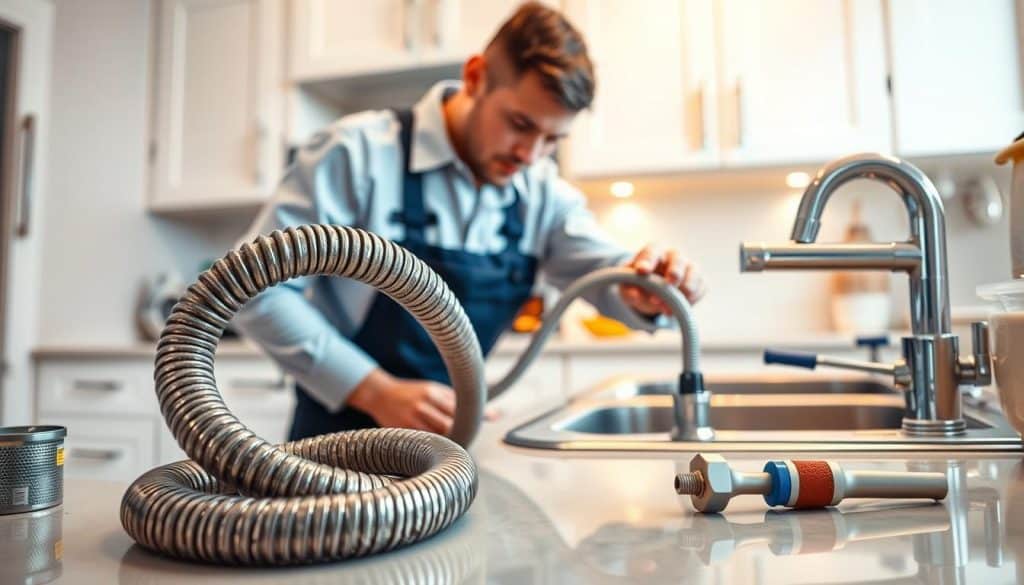
A professional plumber in a clean, modern uniform is intently working on a clogged drain in a well-lit kitchen. The foreground features a shiny metal drain snake and various plumbing tools neatly organized on the counter. In the middle ground, the plumber is focused on using the drain snake, demonstrating expertise and attention to detail. The background shows a neat kitchen setting with polished cabinets and a sparkling sink, conveying a sense of cleanliness and professionalism. The lighting is warm and inviting, highlighting the plumber’s dedication to their work. The overall mood is one of competence and assurance, emphasizing the benefits of professional drain cleaning. The image captures a candid moment of plumbing service in action, illustrating the importance of expert solutions over store-bought alternatives. - is drain cleaner bad for pipes

When to Stop DIY and Call a Plumber for Drain Cleaning

When a clog returns despite your best attempts, it often signals a deeper issue that needs a pro.

  • Recurring backups or the same fixture blocking again.
  • Multiple fixtures acting slow or gurgling noises from vents.
  • Water rising where it shouldn’t or slow flow throughout the home.

Repeating store-bought products or liquid drain mixes can mask a problem and increase risk to joints and material. A targeted diagnosis beats guesswork; we locate the obstruction in the system and choose the proper method.

What a professional job includes: locating the blockage, choosing mechanical cleaning tools (snakes, augers, camera inspection), removing the clog safely, and confirming full flow.

J Sewer & Drain Plumbing Inc. is family-owned since 2017, two generations strong. We offer 24-hour Monday–Saturday service in Chicago, IL and nearby areas. Call (773) 968-2704 or email jsewerdrainplumbing@gmail.com to schedule fast service.

Offices: 3343 N Monticello Ave, 3017 N Elston Ave, Chicago, IL; 809 Ridge Rd, Wilmette, IL.

Conclusion

Protecting your home starts with knowing when a quick fix costs more over time. In short, a strong drain cleaner or liquid drain cleaners can create heat and chemical reactions that harm PVC and metal pipes and worsen clogs if used repeatedly.

Fumes and mixing risks also threaten health and safety, so try plungers, hand snakes, or mild household methods first. When slow flow keeps returning, that often signals a deeper issue needing professional diagnosis.

We’re a family-owned Chicago team focused on lasting, caring solutions. If you want dependable help with your drain and plumbing needs, call (773) 968-2704 or email jsewerdrainplumbing@gmail.com. Monday–Saturday, 24 hrs. Offices: 3343 N Monticello Ave, 3017 N Elston Ave (Our New Location!), Chicago, IL 60618; 809 Ridge Rd, Wilmette, IL 60091.


FAQ

Is drain cleaner bad for pipes?

Chemical products that use strong caustics or acids can damage plumbing over time. They work by generating heat and breaking down organic blockages, which can warp PVC, weaken seals, and corrode older iron, steel, or copper lines. Occasional, careful use on a minor clog may be fine, but repeated applications raise the risk of leaks and fractures, especially in aging systems.

Why does this question matter for homeowners in Chicago and nearby areas?

Our region has many older homes with mixed plumbing materials and cast-iron laterals. A quick fix that seems low-cost can lead to costly repairs, basement leaks, or compromised sewer lines. We recommend thinking beyond immediate convenience — repeated chemical use can create long-term problems that are expensive to repair.

What can a “quick fix” cost over time in leaks, cracks, and repeat clogs?

Short-term savings may turn into higher repair bills, emergency service calls, and water damage restoration. Corrosion or warped pipe sections often require cutting out and replacing the affected run, and that adds labor, parts, and potential drywall or flooring repair.

When can a slow drain become a bigger plumbing system problem?

A slow fixture often signals build-up inside the line or a deeper obstruction. If slow flow persists or other fixtures start backing up, the issue may be farther down the system — beyond what household products can safely fix — and can lead to backups or sanitary sewer issues.

What are common ingredients in chemical drain cleaners?

Many store-bought formulas contain sodium hydroxide (lye), sulfuric acid, hydrochloric acid, or strong oxidizers and chlorine-based bleach. Each ingredient targets different types of organic matter but brings distinct safety and material risks.

How do caustic, oxidizing, and acidic drain cleaners differ?

Caustic cleaners (like sodium hydroxide) saponify grease and produce heat. Oxidizing agents break down organic matter through chemical oxidation. Acidic products dissolve mineral scale and hair through aggressive acid action. Each can harm pipe materials if misused or left sitting on a clog.

Why do liquid cleaners rely on chemical reaction and heat?

Heat speeds chemical breakdown of grease, hair, and organic debris. That heat, however, concentrates at the blockage and can soften or warp plastic pipes and deteriorate joint adhesives and seals, increasing the chance of failure over time.

How does heat buildup warp PVC pipes and weaken seals?

PVC softens when exposed to high temperatures. Prolonged or repeated exposure from exothermic chemical reactions can deform pipe walls and compromise solvent-welded joints, causing leaks or misalignment.

Can harsh chemicals corrode older metal pipes like iron, steel, and copper?

Yes. Acids and strong oxidizers accelerate corrosion on metallic surfaces, thinning walls and creating pitting. Over time, this damage shortens pipe life and can lead to sudden failures.

Why does sitting on a clog increase localized damage inside the pipe?

When a reactive product pools against a blockage, the chemical concentration and heat focus on one spot. That localized attack intensifies material breakdown where the clog sits, making that section more prone to leaks and collapse.

How does repeated use accelerate deterioration in older or worn plumbing?

Repeated chemical exposure compounds small defects, widens cracks, and speeds corrosion. An older system with existing thin spots or marginal seals is far more vulnerable than newer materials designed to withstand normal wear.

What health, safety, and environmental risks should homeowners consider?

Fumes can irritate eyes, skin, nose, throat, and lungs. Accidental splashes cause burns. Mixing different products can create toxic gases. Residual chemicals flushed into the sewer can harm local waterways and aquatic life.

Why is mixing products dangerous?

Combining bleach with acidic or ammonia-based cleaners produces chlorine or chloramine gases, which are toxic and can be life-threatening at high concentrations. Never mix products and follow label precautions closely.

How can chemicals travel downstream and impact waterways?

Chemical residues flushed into household drains enter municipal sewer systems and, eventually, treatment plants or waterways. Some compounds resist treatment or form harmful byproducts, posing risks to aquatic ecosystems.

How should we start when clearing a clogged fixture without chemical products?

Begin with a plunger suited to the fixture — sink, tub, or toilet. Use a tight seal and steady pressure. Often, mechanical force clears the obstruction without chemicals and prevents harm to the system.

When is a drain snake or auger the right tool?

For hair, grease, or localized blockages a hand auger or snake can reach and remove the obstruction. We recommend a plastic or vinyl-coated snake for finished fixtures to avoid scratching. Longer motorized augers suit deeper clogs in main lines.

Does baking soda and vinegar work?

A baking soda then vinegar treatment followed by hot water can help with minor organic buildup. The fizzy reaction may loosen some residue, but it rarely clears serious clogs and won’t replace mechanical removal when blockage is substantial.

How can hot water and dish soap help with grease clogs?

Hot water with dish soap helps dissolve and emulsify grease so it can move down the pipe. Pouring several liters of carefully heated (not boiling) water after soaking the line often assists plunging or snaking efforts.

What should we avoid so you don’t push the blockage deeper?

Avoid using excessive force with drain foams or repeatedly pouring liquids that can flush the clog farther into the main line. Don’t use wire coat hangers — they can damage traps and finishes. If a plunger or snake won’t budge the clog, stop and call a pro to avoid worsening the problem.

What signs indicate it’s time to call a plumber instead of continuing DIY?

Recurring backups, multiple fixtures affected, foul sewer odors, slow flow across the home, or visible leaks signal a deeper issue. If chemical or mechanical DIY methods fail to clear a clog, get professional help to prevent damage.

Why does professional diagnosis beat guesswork when chemical options don’t work?

Professional technicians use cameras, pressure tests, and targeted tools to locate and identify the cause. That precision avoids unnecessary repairs and ensures we fix the root issue — whether it’s tree roots, collapsed pipe, or a distant blockage.

What professional tools clear clogs without chemical damage?

Plumbers use drain snakes, hydro-jetting, inspection cameras, and mechanical cutters that remove blockages physically. Hydro-jetting, when appropriate, flushes scale and buildup with high-pressure water without corrosive chemicals.

How can homeowners get help from J Sewer & Drain Plumbing Inc.?

We offer 24-hour service Monday through Saturday across Chicago and nearby neighborhoods. Our team provides on-site diagnosis, camera inspections, and safe, effective clearing solutions that protect your plumbing system and home.

What area do you serve and how do we schedule fast service?

J Sewer & Drain Plumbing Inc. serves Chicago, IL and surrounding suburbs. Contact our office by phone or visit our website to schedule an inspection or emergency visit. We prioritize quick response times and transparent pricing, so you know what to expect before we begin work.

We Always Put Our Customers First

Our 5-star reviews speak for themselves!

How Can We Help You Today?

Our team is standing by and ready to help!

Contact Us keyboard_double_arrow_right