
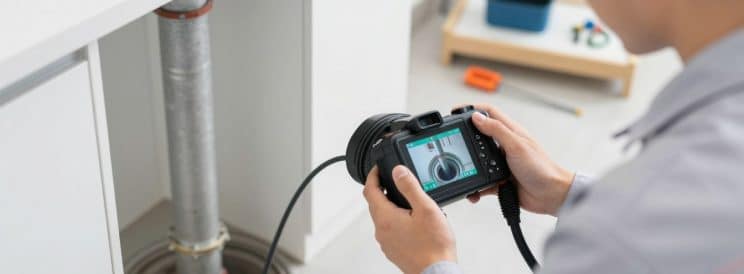
Curious if a modern sewer check will tear up your yard, or wondering, “Is a camera inspection invasive and does it require digging?“ and if fast answers can come with minimal fuss?
We answer that core homeowner question plainly. A typical camera inspection uses existing access points and often finishes in one or two hours. That means fewer disruptions for your home and faster clarity about the problem.
Our family-owned team, J Sewer & Drain Plumbing Inc., serves Chicago, IL, and nearby areas with a transparent, community-first approach. We use video technology to view the sewer line in real time so we can diagnose issues without needless mess.
Next, we explain why people worry about invasiveness, how the process works step by step, what we can see inside the line, and when digging may still be needed after diagnosis.
Call us Monday through Saturday, 24 hours, at (773) 231-8869 or email [email protected] to discuss symptoms and options.
Key Takeaways
- Modern camera-based inspection is minimally invasive and uses existing access points.
- Real-time video gives clear direction for repairs with less guesswork.
- Most checks wrap up within one to two hours.
- We prioritize your comfort, transparency, and targeted solutions.
- When digging is required, we recommend it only after confirming the cause.
- Call J Sewer & Drain Plumbing Inc. in Chicago for prompt help at (773) 231-8869.
Why homeowners ask if sewer camera inspections are invasive
Homeowners often worry that checking pipes will mean tearing up floors or yards. That fear comes from images of heavy work, unexpected costs, and disruption to daily life in Chicago homes or multi-unit buildings.
What most people mean by “invasive”
They mean cutting into walls, breaking floors, or excavating landscaping to reach a sewer line or drain. Recurring clogs, backups, foul odors, or slow drainage raise those concerns because people want to protect property and health.
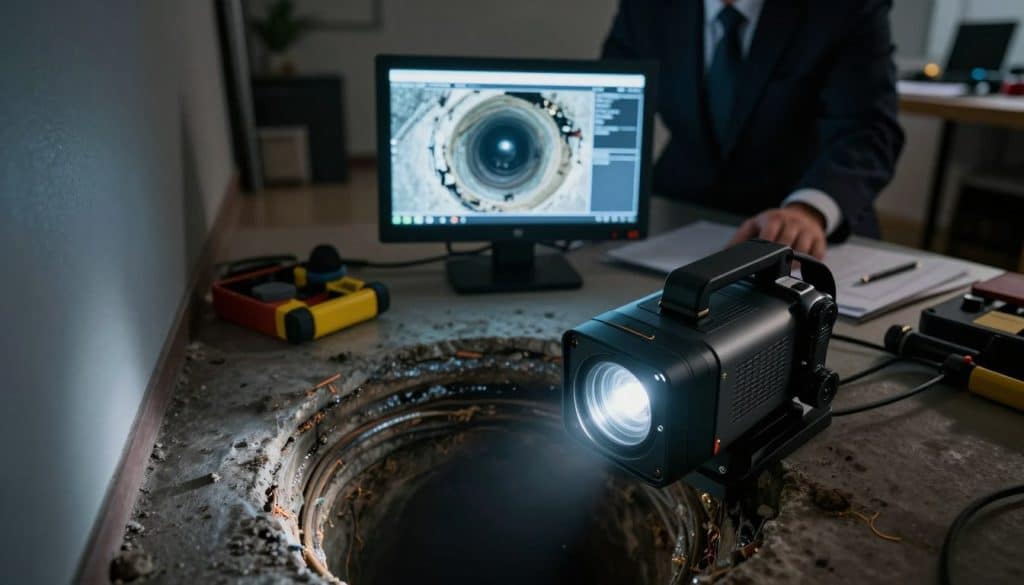
Older methods relied on guesswork and trial-and-error, which often led to unnecessary damage. Today, high-resolution video lets us see inside the system to locate issues precisely.
- Real-time video reduces guesswork and speeds diagnosis.
- Less disruption to landscaping, floors, and walls.
- We explain findings clearly so you can choose the least disruptive repair.
We treat every homeowner like family, aiming to protect your time, budget, and home. We communicate results plainly and recommend next steps only when truly needed.
Is a camera inspection invasive and does it require digging?
Many homeowners want to know whether a sewer check will disturb landscaping or living space.
Minimally invasive by design
We use existing clean-outs or drain openings to access your sewer line, so the service is minimally invasive in most cases. On service day, our technician sets up equipment, protects the area, and feeds a waterproof cable while watching live footage.
When excavation may still be recommended
The inspection itself usually prevents exploratory digging because we pinpoint exact problem spots. Still, if video shows collapse, severe separation, or unrecoverable damage, excavation may be recommended to complete repairs safely.
- Most checks avoid excavation and reduce property disruption.
- We explain findings clearly and discuss repair options, timing, and urgency.
- Serving Chicago, IL and nearby areas, we operate Monday–Saturday with 24‑hour support.
After the review, we help you choose targeted repairs that protect your home and budget, keeping disruption as small as possible.
How a sewer line camera inspection works step by step
We guide every homeowner through a straightforward, time-efficient process for sewer evaluation. Our approach keeps disruption low while giving clear answers about your plumbing system.
Pre-inspection consultation
First, we ask about your symptoms—backups, odors, slow drains—so the inspection focuses on the problem that matters most. We confirm priorities, arrival time, and any access details before we arrive.
Inserting the waterproof, high-resolution camera
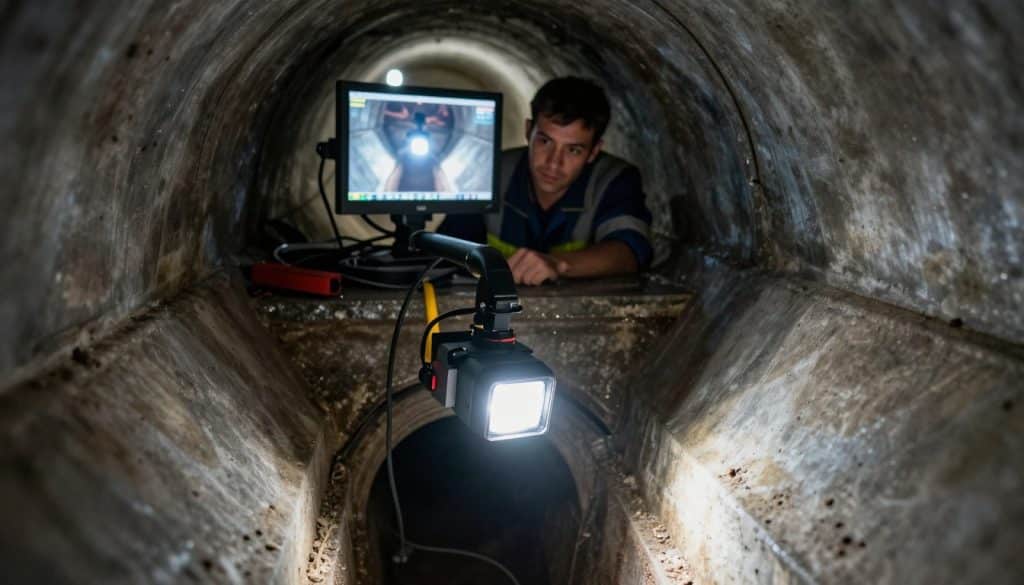
Technicians feed a flexible, waterproof camera into the pipe through an existing access point. The device moves along the line without excavation, letting us inspect long runs quickly.
Real-time video monitoring
Live video streams to a monitor so our plumbers can locate blockages, root intrusion, cracks, or alignment issues. This immediate view reduces trial-and-error, saving time and unnecessary costs.
Reviewing footage and documenting condition
We record findings and create a clear report showing system condition. The documentation includes video clips so you can see exactly what we found and why we recommend next steps.
Post-inspection recommendations
After the review, we outline practical options: cleaning, targeted repairs, or further assessment. Most inspections take about one to two hours, depending on line length and complexity.
To schedule service in Chicago, IL, call (773) 231-8869 or email [email protected]. We’re family-owned, Monday–Saturday, 24 hours open, ready to explain results in plain terms.
What problems can a camera inspection detect inside sewer lines and pipes
Seeing the interior of your pipes uncovers problems that surface symptoms often hide. A quick video check helps us protect your home by finding trouble before costs climb.
We use a high-quality camera to move through sewer runs and record real-time footage. This view exposes common blockages, including grease buildup, traps full of foreign objects, or chronic clogs that simple snaking misses.
- Root intrusion: Roots enter tiny openings, swell, then split lines. Video shows root mats, breaks, and root-related damage so we can recommend targeted fixes.
- Cracks, leaks, corrosion: Small fractures or corroded spots show up early on video. Catching these helps prevent major failures that lead to costly repairs.
- Misalignment and sagging: Separated joints, bellies, or offset pipe sections cause repeated backups even after cleaning.
By documenting the condition of sewer lines with clear footage, we give you honest options. J Sewer & Drain Plumbing Inc. aims to prevent surprises, preserve landscaping, and protect daily life in Chicago homes.
When to schedule a camera inspection to prevent costly repairs
Catching plumbing problems before they grow saves time, money, and stress for homeowners.
Persistent slow drains, backups, or sewer odors
Schedule service when slow sinks, repeated backups, or foul smells show up. These signs point to deeper blockages that simple snaking may not fix.
Water stains, mold, or higher water bills
Discolored ceilings, mold growth, or an unexpected spike in water use can mean hidden leaks. Visual confirmation inside the line helps prioritize repairs and limit damage.
After major plumbing issues or before buying a home
After a severe backup, we recommend a follow-up check to find any unseen damage. Likewise, a pre-purchase check protects buyers by revealing sewer or drain problems early.
- Signs to act: recurring clogs, frequent backups, and persistent odors.
- Hidden leaks show as stains, mold, or unusual water costs.
- Preventive checks reduce costly repairs, protect your property, and save time and money.
We serve Chicago, IL, and nearby areas. Call J Sewer & Drain Plumbing Inc.; we operate Monday–Saturday: 24 hours Open to help homeowners and property managers schedule proactive maintenance.
How camera inspections save time, money, and property damage
Seeing the issue directly helps us save you time, money, and headaches. Our approach focuses on clear diagnosis so you avoid unnecessary work and extra costs.
Accurate diagnosis that eliminates guesswork. Video lets us spot blockages, roots, leaks, or misalignment so repairs are targeted. That reduces wasted labor and unneeded parts.
Avoiding expensive excavation by pinpointing location. When we find the exact spot, any required digging is precise. Targeted work lowers overall cost and protects your landscaping and property.
- Faster timelines: many inspections finish within an hour or two, meaning less disruption to your routine.
- Detailed reports: recorded video and clear notes help you plan maintenance and future repairs with confidence.
- Lower long-term costs: early detection keeps small issues from becoming major failures of the plumbing system.
- Transparent service: we show you footage, explain options plainly, and recommend the least disruptive path.
These methods protect your property and keep repair costs predictable. Call us to schedule service, and we’ll walk you through findings and sensible next steps for maintenance and repairs.
Conclusion
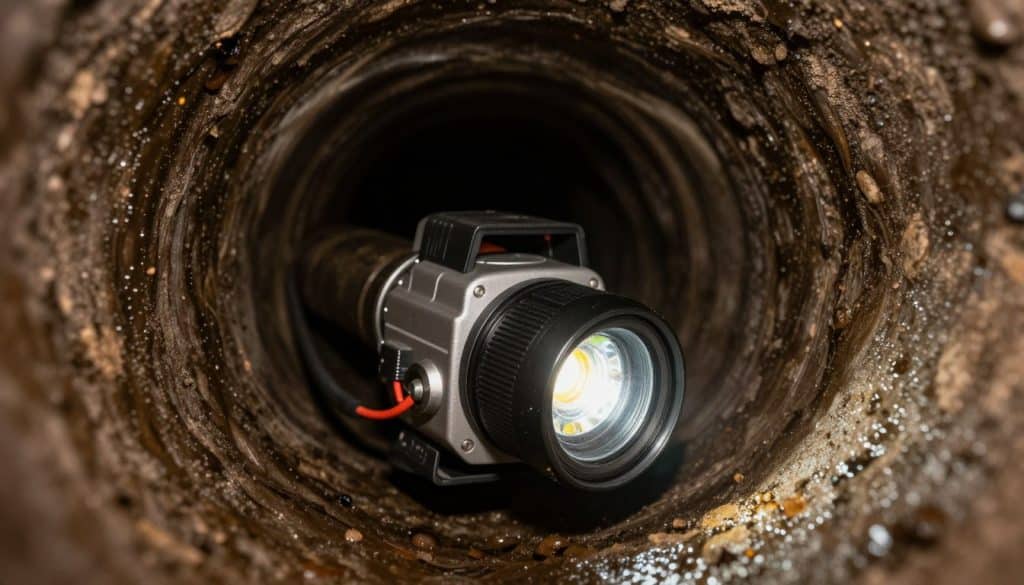
Real-time footage brings clarity that prevents guesswork and wasted cost.
For most homeowners, a camera inspection is minimally disruptive and usually avoids digging. Our team inspects your sewer line through existing access points, records clear footage, then explains the condition and next steps.
This process protects your property by pinpointing issues fast, saving time and money, and helping prevent costly repairs later. Inspections also guide targeted repairs when needed, so work is precise.
J Sewer & Drain Plumbing Inc. is family-owned, two-generation, serving Chicago since 2017. Call (773) 231-8869 or email [email protected] to schedule service. Monday–Saturday: 24-hour open, serving Chicago, IL and nearby areas.
Offices: 3343 N Monticello Ave, 3017 N Elston Ave, Chicago, IL; 809 Ridge Rd, Wilmette, IL.
FAQ
Why do homeowners worry about sewer camera inspections being invasive?
Homeowners often picture heavy excavation when thinking about sewer work. We explain that many inspections use existing access points, so intrusive digging is usually unnecessary. That concern comes from not knowing modern methods—once we show how we inspect, most people feel much more at ease.
What does “invasive” mean for a sewer line or drain inspection?
In this context, invasive means large-scale digging, major repairs, or breaking through floors or yards. A truly invasive approach disturbs landscaping and foundations. Our goal is to avoid that; we use minimally invasive techniques whenever possible to protect your property and reduce disruption.
How has modern camera technology changed plumbing diagnostics?
Advances in waterproof, high-resolution video and flexible push-rod systems let us see deep inside pipes without excavation. We can locate blockages, roots, cracks, and leaks in real time, which improves accuracy and speeds up decision-making. That translates to smarter repairs and lower costs for you.
Are camera inspections minimally invasive by design?
Yes. We typically use clean-outs, floor drains, or sink openings as entry points. The camera travels through the existing line, so we avoid digging in most cases. This approach protects landscaping and saves time and money while still giving a clear view of the problem.
When might digging still be recommended after a camera inspection?
If the footage shows a collapsed section, severe root damage, or a failed pipe that cannot be repaired in place, excavation may be necessary for replacement. The camera inspection helps us pinpoint the exact spot, so any digging is targeted and minimized.
How does a sewer line camera inspection work, step by step?
First, we consult with you to understand symptoms and priorities. Next, we access the pipe through an existing opening and insert a waterproof, high-resolution camera on a flexible cable. We monitor live video to locate issues, record footage, and document pipe condition. Finally, we provide clear recommendations for cleaning, repair, or further investigation.
What happens during the pre-inspection consultation?
We ask about drain behavior, odors, past repairs, and any visible signs of trouble. This helps us choose the right access point and plan the inspection. Clear communication lets us focus on your priorities and reduce unnecessary work.
Can the camera find blockages and recurring clogs?
Absolutely. Video reveals grease build-up, hair, foreign objects, and material narrowing that cause backups. We can often recommend targeted cleaning like hydro jetting to clear the line without excavation.
Will the camera detect tree root intrusion?
Yes. Roots show up clearly on video and we can often see the entry point and extent of infiltration. Knowing the exact location helps us choose between root cutting, lining, or replacement, depending on severity.
Can it identify cracks, leaks, and corrosion inside pipes?
It can. Cracks, pinhole leaks, corrosion, and structural deterioration are visible on high-resolution footage. That detail helps us recommend repairs such as relining, spot repairs, or full section replacement when necessary.
How well does the camera spot misalignment or sagging in sewer lines?
Very well. Misaligned joints, separations, and sagging (bellying) show up during a thorough run. We document their location and severity so you get a clear repair plan that prevents future blockages and backups.
When should I schedule a camera inspection to avoid costly repairs?
Schedule one if you have persistent slow drains, recurring backups, or sewer odors. Also consider an inspection for unexplained water stains, mold, higher water bills, after major plumbing work, or before buying a home. Early detection can prevent emergencies and large replacement costs.
How does a camera inspection save time, money, and property?
By giving an accurate diagnosis, it eliminates guesswork and unnecessary repairs. We can pinpoint the exact location of trouble, often avoiding full excavation. Inspections typically take an hour or two, provide video evidence for planning, and speed up repair timelines—saving you money and protecting your yard and home.
How long does a typical inspection take?
Most runs take about one to two hours, depending on line length and complexity. We prepare you beforehand and deliver clear footage and recommendations at the end of the visit.
Who performs the inspection and provides the report?
At J Sewer & Drain Plumbing Inc., our licensed technicians perform the work. We provide documented video and a professional assessment, so you understand the condition of your sewer system and the best next steps.