How much should you really expect to pay for a thorough sewer line clean that protects your home and saves you time?
Welcome to J Sewer & Drain Plumbing Inc., your family-owned plumbing ally in Chicago, serving homeowners, landlords, and property managers since 2017.
We explain the typical hydro jetting cost ranges in Chicago so you can budget with confidence before booking a visit. Residential jobs often run $300–$800, while many commercial projects start around $1,000+.
Our quotes usually include inspection, equipment setup, high-pressure cleaning, and a post-cleaning flow check. Final price varies with pipe length, access points, and the severity of grease, scaling, or roots.
Call us at (773) 231-8869 or email [email protected] for a transparent estimate. We are open 24 hours Monday–Saturday and have offices in Chicago and Wilmette to serve you quickly.
Key Takeaways
- Typical residential ranges: $300–$800; many commercial jobs $1,000+.
- Quotes often include inspection, setup, cleaning, and flow check.
- Major cost drivers: pipe length, access, and clog severity.
- We are family-owned since 2017, serving Chicago and nearby areas.
- Available 24 hours Monday–Saturday; call (773) 231-8869 for estimates.
What hydro jetting is and when it’s the right drain cleaning method
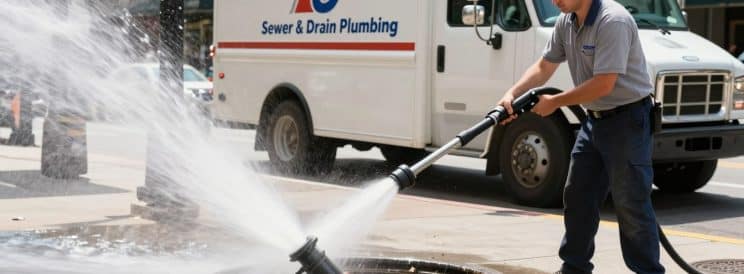
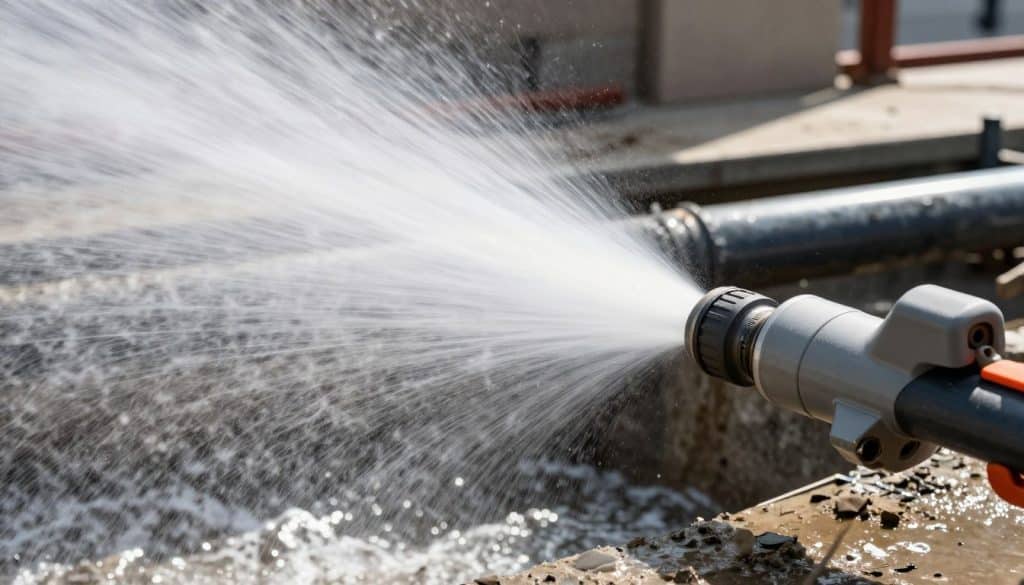
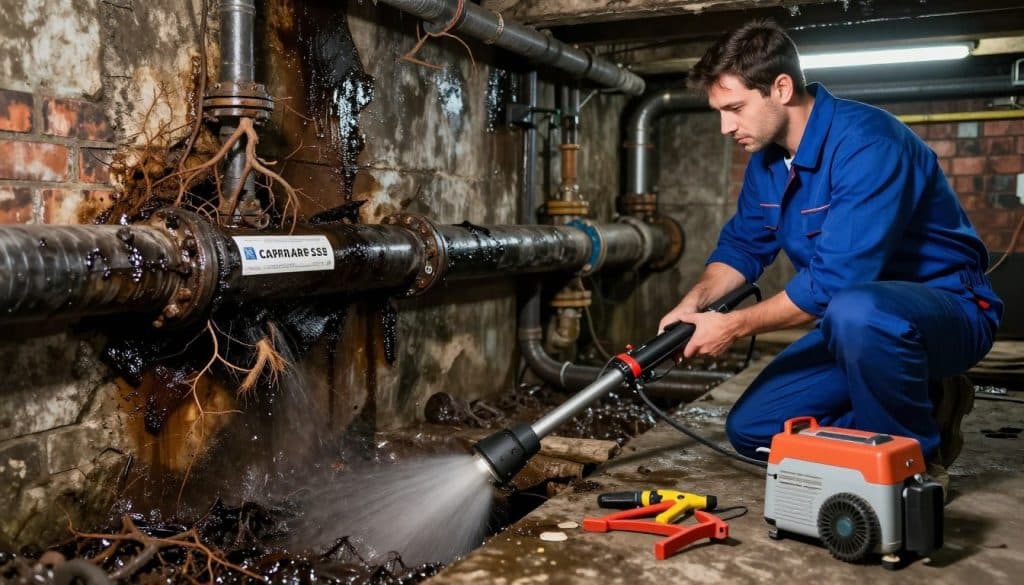
If your drains keep slowing, there’s a reliable way to clear the whole pipe instead of just punching a hole. We use specialized equipment to send high-pressure water through your drain or sewer line, scrubbing the full interior to restore flow.
The force of the water pressure—often around 4,000 PSI in many applications—breaks up grease, mineral scale, packed debris, and even small tree roots that invade older pipes.
This method targets the pipe walls, not just the center, so residue and thin coatings that lead to repeat clogs are removed rather than left behind.
- Recurring slow kitchen drains or multiple fixtures draining poorly
- Gurgling sounds, frequent toilet backups, or sewer odors
- Backups that return after snaking or quick fixes
Safety and expectations
We usually recommend a camera inspection first, especially for older cast iron or clay pipe, to confirm this cleaning is suitable. This is a thorough cleaning designed to reduce future blockages, not a temporary patch.
Hydro jetting cost: typical price ranges in Chicago and what you get
Here’s a clear look at what homeowners and businesses in Chicago usually pay today. Many homes fall between $300–$800, while many commercial jobs start around $1,000+.
- Branch line: $300–$500 for a single fixture or short run.
- Main sewer line: $400–$800 for a residential lateral to the city connection.
- Grease or small commercial line: $500–$900; larger multi-line systems often reach $800–$1,500.
What the standard price usually includes: a camera inspection, setup of the unit, the cleaning pass, and a post-cleaning flow check to confirm the line is clear.
Prices rise when jobs take more time: long sewer laterals, multiple cleanouts, limited access, or heavy grease and scale all increase labor and equipment needs.
Buyer checklist: Ask if the quote covers one line or multiple lines, what length is assumed, and whether tight access or extra cleanouts could change the final price. We aim to restore full-pipe flow and reduce repeat service calls for your plumbing system.
Key factors that change your hydro jetting quote
Several clear drivers determine why one sewer cleaning quote is lower or higher than another. We size the job by three practical levers: the physical pipes, the blockage, and how we reach the line.
Pipe length and diameter
A 10-foot fixture drain takes far less time than a 100-foot sewer line. Longer runs and larger diameter pipes increase equipment time and labor, which raises the final estimate.
Pipe material and condition
PVC, cast iron, and clay behave differently. Older or corroded pipes need gentler pressure settings and careful handling to avoid further repairs.
Severity and type of clog
Grease and mineral scale may need several slow passes to clean the walls. Tree roots require cutting nozzles and repeated cycles to remove roots and flush debris.
Access to cleanouts
Ground-level cleanouts are quickest. Buried cleanouts, tight crawlspaces, or basement access can add labor and may require digging or concrete work.
- Transparent levers: pipe (length/material), clog (type/severity), and access.
- Risk management: inspections and pressure adjustments protect older systems.
- Decision tip: recurring backups or unclear cleanouts usually increase time on site and the quote.
Commercial hydro jetting cost for businesses in Chicago and nearby areas
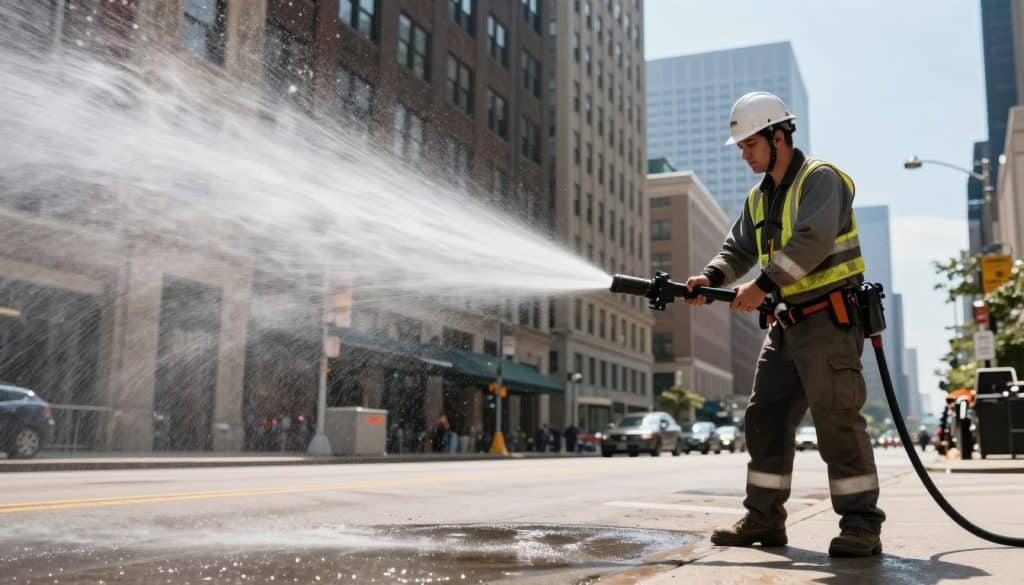
For businesses in Chicago, predictable sewer maintenance keeps operations moving and avoids surprise shutdowns. We help property managers and restaurant owners plan regular service that fits busy schedules and reduces emergency calls.
Typical commercial pricing ranges from about $500–$1,500 for many systems. Complex cleanups — multi-line systems, heavy grease, long runs, repeated backups, or restricted access — can reach up to $3,000.
Restaurants and high-use facilities
Food-service sites load sewer lines faster with grease and food waste. Preventive cleaning helps meet compliance, reduces downtime, and protects your reputation.
How often to schedule service
We recommend quarterly or semi-annual visits for commercial kitchens. For many homes, every 18–24 months is sufficient. A regular cadence lowers the chance of clogs and major blockages.
- Predictable budgets: ask about planned maintenance to avoid surprise charges.
- What “complex” means: multiple lines, heavy grease, long runs, or poor access.
- Business continuity: fewer closures, fewer tenant complaints, and less risk of overflow events.
We are family-owned and serve Chicago, IL and nearby areas with a reliability-first approach. Our team is available Monday–Saturday, 24 hours, to fit your hours and minimize disruption.
Plan ahead: call (773) 231-8869 or email [email protected] to discuss a maintenance cadence that suits your usage and keeps your plumbing system running smoothly.
Additional costs to budget for before you book
Before you book, it helps to know the extra items that can appear on your invoice. We want your final price to feel fair and clear.
Camera inspection and diagnostics
Many diagnostics add-ons run about $150–$300. Broader inspections can vary if we must trace a long sewer line, work around limited access, or evaluate multiple pipes.
Cleaning can reveal cracked joints, corrosion, offsets, or deteriorated sections that need repairs beyond the initial service. We always explain options and prioritize fixes that prevent repeat clogs and bigger repairs.
Emergency timing
Urgent or after-hours calls may raise the final cost due to scheduling and rapid response needs. Planning service during normal hours often saves you time and money.
- Prepare for common add-ons so invoices aren’t a surprise.
- Ask if camera work is included, what a return visit covers, and how emergency rates apply.
- We focus on protecting your home, recommending only the plumbing repairs your property truly needs.
Is hydro jetting worth the cost compared to snaking or other alternatives?
To make an informed choice, weigh the likely outcomes, not just the sticker price. We compare the methods so you can pick the right solution for your home or property.
Hydro vs snaking: full-pipe cleaning vs punching a hole
Hydro jetting cleans the full interior of the pipe, removing grease, scale, and thin residue that cause repeat clogs. Mechanical snaking often opens a pathway through a blockage, but it can leave buildup on pipe walls that returns.
For recurring kitchen backups, heavy grease, or root intrusion, the full cleaning usually reduces repeat service and long-term repairs. Experienced plumbers select pressure and technique to protect older pipes.
Budget-friendly alternatives
- Mechanical snaking: fast and effective for single, localized clogs; typically lower upfront price.
- Enzymatic maintenance: good for ongoing prevention; not a solution for active blockages.
- Avoid harsh chemical cleaners on old pipe; they can accelerate corrosion and worsen leaks.
How to save on services
We recommend preventive plans, bundling a camera inspection with a cleaning, and scheduling during normal hours to avoid emergency rates. Fewer repeat clogs lower the chance of water damage and tenant disruption. We help you choose the safest, most cost-effective way to protect your sewer line.
Conclusion
Ready to make a confident choice about your sewer cleaning and long-term plumbing health? For many homes in Chicago, a full cleaning runs about $300–$800, while commercial work often starts near $1,000+. Camera inspections commonly add $150–$300 depending on scope.
Final pricing depends on pipe length, pipe condition, clog severity, and cleanout access. These factors affect labor time and whether extra work or excavation is needed.
Hydro jetting is a high-impact solution when clogs recur or buildup is heavy. We recommend routine checks: most homes every 18–24 months; commercial kitchens quarterly or semi-annually.
We are family-owned since 2017, two generations serving Chicago with clear communication and fair service. Call J Sewer & Drain Plumbing Inc. at (773) 231-8869 or email [email protected] to schedule an evaluation.
Locations: 3343 N Monticello Ave, 3017 N Elston Ave, Chicago, IL; 809 Ridge Rd, Wilmette, IL. Open 24 hours Monday–Saturday. We serve Chicago, IL and nearby areas.
FAQ
What is hydro jetting and when is it the right drain cleaning method?
Hydro jetting is a high-pressure water service we use to flush grease, mineral scale, debris, and intrusive tree roots from sewer lines and drains. We recommend it when repeated clogs, slow drains, or a camera inspection show heavy buildup along the pipe walls — it cleans the entire pipe rather than just creating a passage through a blockage.
How does high-pressure water remove grease, scale, debris, and tree roots from sewer lines?
Our crew directs a water stream at very high pressure through the pipe to erode and wash away deposits and root intrusions. The force strips grease and mineral scale from the pipe surface, breaks up compacted debris, and cuts back smaller root growth, restoring full flow without harsh chemicals.
What signs indicate my drains or sewer line need this service instead of a quick fix?
Look for repeated clogs, multiple slow drains, foul sewer odors, toilet backups after running water elsewhere, or a camera inspection showing pipe coating or root intrusion. Those signs usually mean a deeper cleaning is needed rather than a simple snake or spot repair.
What are the typical price ranges in Chicago for a home service?
For many residential jobs in the Chicago area, expect a typical range between $300 and $800. Larger or more complex runs, commercial systems, or jobs with heavy root and grease buildup can run $1,000 or more.
How do costs differ for branch lines, main sewer lines, and grease lines?
Branch lines are shorter and usually cost less. Main sewer laterals, which are longer and harder to access, require more time and equipment and therefore cost more. Grease lines in restaurants need specialized nozzles and more passes, increasing the price compared with a standard residential branch.
What does a standard service price typically include?
A standard service often covers a pre-job inspection, setup at the cleanout, the high-pressure cleaning itself, and a post-cleaning flow check. Many jobs also include minor cleanup of wastewater and a basic customer walk-through of results.
Why does price rise for long sewer laterals, multiple cleanouts, or heavy grease buildup?
Longer lines take more time and water, multiple cleanouts mean extra setup and tear-down, and thick grease or heavy roots require multiple passes and specialized nozzles. Those factors increase labor, equipment wear, and water use, which raises the quote.
How do pipe length and diameter change the quote?
Shorter, smaller-diameter pipes are quicker to clear and use less water and time, so they cost less. Long laterals or larger-diameter mains need more powerful equipment and longer run times, which increases the price.
Does pipe material and condition matter?
Yes. PVC tolerates higher pressures, while old cast iron or clay may be brittle. When lines show corrosion, cracks, or offsets, we adjust pressure and technique and may recommend video inspection first to avoid damage, which can affect the estimate.
How do different clog types affect the number of passes and time required?
Loose debris and light grease may clear in one pass. Mineral scale, hardened grease, or dense root mats often need several passes with varying nozzle angles and pressure settings. Each extra pass adds labor time and can raise the final price.
How does access to cleanouts impact the job and price?
Easy access in a basement or yard cut our time; buried cleanouts or those under concrete require locating, excavation, or cutting, increasing labor and materials costs. In some cases, restoring concrete or landscaping is an additional expense.
What are typical commercial pricing ranges for businesses in Chicago?
Many commercial systems fall between $500 and $1,500, while complex or heavily contaminated systems — such as long mains or deep-rooted lines — can reach $3,000 or more depending on scope and regulatory needs.
Why do restaurants and high-use facilities need more frequent service?
Kitchens produce concentrated grease and solids that build up quickly. Regulations and health-code compliance often require preventive cleaning on a quarterly or semi-annual schedule to avoid blockages and fines.
How often should businesses and homes schedule cleaning?
High-use commercial kitchens often schedule quarterly or semi-annually. Many homes benefit from a full-line cleaning every 18–24 months, though older plumbing or frequent clogs may call for more frequent maintenance.
What additional costs should I budget for before booking?
Common add-ons include a camera inspection or diagnostics (often $150–$300), excavation or concrete cutting if cleanouts are buried, and repair work if jetting reveals cracks, collapsed joints, or corroded sections.
What happens if jetting reveals damaged pipe sections?
If we find cracked joints, corrosion, or collapsed pipe, we’ll explain repair options, from spot repairs to full lateral replacement, and provide a separate estimate. Cleaning itself won’t fix structural damage.
How do emergency or after-hours calls affect the final price?
After-hours and emergency service typically carries a premium due to rapid response and staffing. Expect higher hourly rates or a flat emergency fee compared with scheduled daytime appointments.
Is full-line cleaning worth the price compared to snaking or other alternatives?
For many homeowners and property managers, full-line cleaning delivers longer-lasting results because it removes buildup from the pipe walls. Snaking often punches through a blockage without removing the coating, which can lead to repeat clogs sooner.
What are budget-friendly alternatives for smaller problems?
Mechanical snaking, enzymatic maintenance, or targeted sectional cleaning can fit smaller budgets for minor clogs. Chemical drain cleaners are generally risky in older pipes and can worsen corrosion, so we don’t recommend them as a long-term solution.
How can I save money on professional cleaning services?
Preventive maintenance plans, bundling inspections with cleaning, and addressing small slow-drain issues early can reduce the need for emergency or heavy-duty work. Regular camera inspections help catch problems before they escalate.
Do you offer services in Chicago and nearby areas?
Yes. J Sewer & Drain Plumbing Inc. provides line cleaning, inspections, and related services throughout Chicago, IL, and surrounding neighborhoods. Contact us to schedule an assessment and get a transparent estimate tailored to your system.