Curious why a simple lever can fail and leave your bathroom in limbo, and how to fix the toilet flush? We welcome you to J Sewer & Drain Plumbing Inc., a family-owned Chicago team serving nearby areas since 2017.
In this short guide, we explain what happens when the handle lifts a chain and tank water surges into the bowl, how the flapper and fill valve work, and why most trouble starts with a few worn parts.
We offer a step-by-step approach for homeowners and property managers who want clear, practical steps and an honest sense of when a job must pass from DIY into professional plumbing care.
Expectations matter: we describe normal sounds, bowl clearing speed, and tank refill timing so you can match symptoms with the right fix and avoid wasted water or damage. Call (773) 231-8869 or email [email protected] to schedule and feel confident in your home.
Key Takeaways
- We are a Chicago, IL family business ready to help, Monday–Saturday, 24 hours.
- Most issues come from a few parts inside the tank and are often repairable.
- This guide shows steps, tools, and when to call licensed plumbing pros.
- Know what normal water flow and refill timing look like for quick diagnosis.
- Our goal is to protect your home from overflow, waste, and needless repairs.
How Toilets Work and Why Flush Problems Happen
A simple lift of the handle sets off several parts inside the tank that must work together for a strong flush. We walk through the motion so you can spot the real cause of common problems.
What happens in the tank when you press the handle
The handle pulls a short chain, which lifts the flapper from the flush valve opening. Tank water rushes into the bowl and moves waste through the trap and out to the main drain. When the tank empties, the flapper reseats and stops the flow.
How the flush valve, flapper, and chain control water release
Chain length and flapper seal are small things that change performance a lot. A tight chain may hold the flapper open; a loose chain may not lift it enough. A worn flapper will leak and give weak or constant running.
How the fill valve and float restore the right tank water level
The fill valve refills the tank after each cycle. A float stops the valve when the correct water level is reached. If that level is low, the bowl gets a weak surge; if it’s high, you risk overflow.
- Observe the tank parts during a flush to match symptoms with likely causes.
- Start with chain, flapper, and fill valve checks before replacing major valves.
- Knowing the difference between tank problems and drain blockages saves time and water.
Before You Start: Safety, Tools, and Parts That Fit Your Toilet
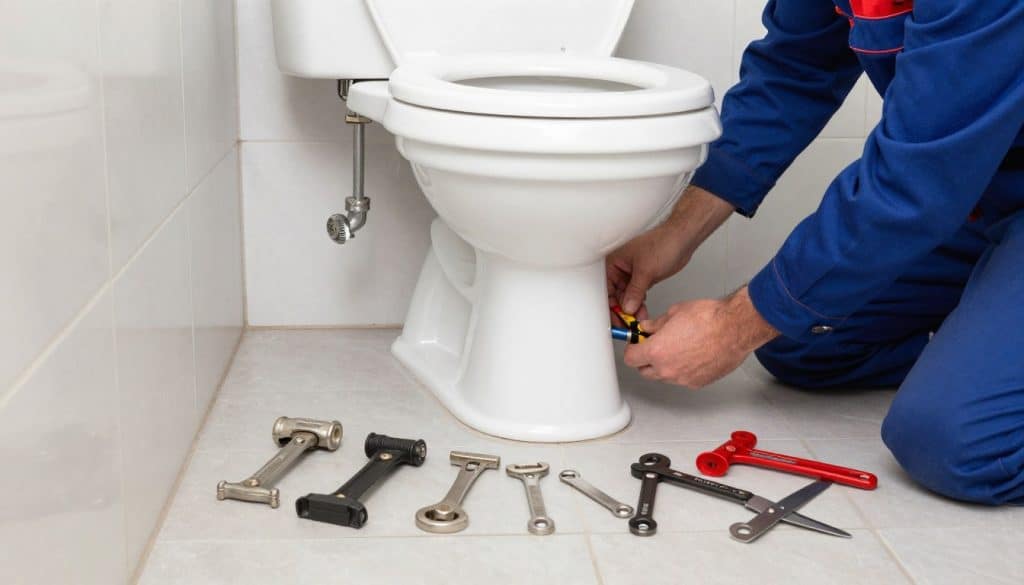
Before you lift a tank lid, simple precautions protect porcelain and prevent spills. We recommend stopping water supply and emptying the tank when you will remove a valve, disconnect a supply line, or swap a flapper.
When to shut off water supply and empty tank
Turn off the water supply at the shutoff valve and flush once to clear most water. Place a small bucket and towels near the base for any remaining water.
Avoid cracked porcelain and stripped connectors while repairing
Lift the lid with both hands and set it on a towel. Use an adjustable wrench and a screwdriver. Tighten screws and nuts snug, not forced, to avoid cracked porcelain or stripped threads.
Choosing the right flapper size and type for your flush valve
Measure the flush valve opening. Common sizes are 2 inch and 3 inch. Match a flexible or solid frame flapper to that opening so a single part repair works well.
- Tools: adjustable wrench, screwdriver, sponge, bucket, towels.
- When to shut supply: before disconnecting supply line or replacing valve.
- Care tip: measure parts first and check screw threads for damage.
Quick Diagnosis: Tank Issue vs. Drainage Issue
We start with a brief observation that gives clear direction. Watch one full cycle and note what the bowl does when you operate the handle.
Signs the cistern mechanism is the problem:
Tank-side clues
If the bowl water stays at the normal level but little or no water moves down from the tank, the fault is usually in the tank mechanism. This points to a low tank water level, a slipped chain, a broken handle, or a disconnected link.
Signs a blockage in the bowl, trap, or drain:
Drain-side clues
When bowl water rises above normal, empties slowly, or waste refuses to go down, you are likely facing a drain blockage. Common causes are excess toilet paper or non-flushable items that restrict flow in the trap or drain line.
- Fast test: if tank water does not surge into the bowl, open the tank and inspect handle, chain, and flapper.
- If bowl water climbs or waste stalls, stop running water and use safe clog-clearing steps or call for help.
- Good habits — modest paper use and no non-flushables — reduce blockages and protect plumbing.
How to fix the toilet flush when it won’t flush at all
Open the tank and watch the parts as you press the handle. With a clear view, you can spot whether the handle actually moves the lift arm and chain. This simple check directs the rest of your work.
Check the handle mounting nut and reverse threads
Many handles use a reverse-threaded nut. Turn clockwise to loosen, counterclockwise to tighten. Take care not to strip the nut or force porcelain parts.
Reconnect or adjust the lift chain and trip lever
Attach the chain to the trip lever so the flapper lifts fully without pulling the chain tight. Leave a small slack so the flapper seats properly after the cycle.
Confirm the flapper lifts and isn’t binding
Lift the flapper by hand; it should move freely and seal cleanly. Replace it if it sticks, deforms, or leaks into the bowl.
Verify your home’s water supply and that the supply valve is open
Finally, confirm water reaches the tank. Check the supply valve at the base and open it fully if closed. No tank water often means no strong flush.
- Start inside the tank: observe before you replace parts.
- Mind reverse threads: protect fittings from damage.
- Check supply: ensure water is available for each cycle.
Fix a Weak or Incomplete Flush in the Toilet Bowl
A weak bowl surge often signals not enough water or time released during the cycle. We focus on four small adjustments that restore clearing power without replacing major parts. Each step targets volume, timing, or blocked passages that reduce velocity through the trap.
Set the tank water level
Adjust the water level so it sits about one inch below the overflow tube. That extra volume gives a stronger surge and improves clearing, especially when water feels low despite parts moving correctly.
Adjust chain slack
Keep minimal slack in the chain — roughly 1/2 inch. If the lift closes too soon, not enough water leaves the tank. If the chain is tight, the flapper may not seal. Aim for a small, reliable gap.
Clear mineral buildup
Turn off water, drain the tank, place cleaner through the flush valve opening, let it sit, then use a stiff wire to clear rim feed holes and the jet hole. This restores flow into the bowl and the proper washing action under the rim.
Dial in adjustable flapper settings
Tune an adjustable flapper so it stays open slightly longer for a stronger release. Test the result with a few pieces of toilet paper in the bowl and adjust until waste clears in one cycle.
- Why this works: volume and timing control flushing force.
- Safe practice: use cleaners sparingly and flush multiple times after treatment.
- Quick check: low water level or short chain travel are the most common causes.
Adjust Water Level, Float, and Fill Valve for Proper Refilling
A correct water level inside the tank is the single best step for consistent flush power. If the tank sits more than one inch below the top of the overflow tube, you will not have enough water for a full surge.
Raise low water level for stronger performance
Use the adjustment screw or dial on the fill valve, or raise the valve body if it is height‑adjustable. Make small changes, then test one cycle. That restores volume without risking overflow.
Lower high water level to stop overflow and waste
If water pours into the overflow tube, lower the float or shorten the adjustment. A high level wastes water and causes constant running that can go unnoticed for days.
Clean debris in the fill valve and replace if faulty
Debris may stop the valve from shutting off. Turn off supply, drain the tank, then follow manufacturer guidance for cleaning. If the valve still runs, replace it.
- Replace sequence: shut supply, drain tank, disconnect supply line, remove locknut, install new fill valve, reconnect supply.
- Check for leaks: tighten fittings snugly and watch the supply connection and base of the valve for drips.
- Why it matters: correct water level and a working fill valve ensure reliable toilet operation and prevent hidden water loss.
Stop a Toilet That Runs Constantly or “Ghost Flushes”
Persistent running means water is escaping from the tank into the bowl, and that escape prompts the fill valve to cycle again and again. We’ll show simple tests and clear choices so you save water and time.
Test the flapper seal
Close the tank lid and press the flapper down by hand for a minute. If the fill valve starts while you hold it, the flapper is leaking.
Inspect the sealing surface for warps, mineral build-up, or tears. A warped or crumbly flapper usually needs replacement.
Check overflow and refill tube placement
Confirm the refill tube ends above, but not inserted into, the overflow tube. If it sits inside, water can siphon and cause ghost trips.
Adjust the tube so it just sprays into the overflow throat. This small move stops many leaks and wasted water.
When to replace the flush valve assembly
If a new flapper still leaks, the flush valve seat or valve body may be worn. Replacing the entire flush valve assembly is a longer-lasting solution.
Cost and water savings: fixing a running unit quickly pays off in lower bills and less wear on the fill valve.
- Quick test: press flapper and watch the fill cycle.
- Minor fix: swap flapper, clean seat, reseat refill tube.
- Major fix: replace flush valve assembly when the seat is damaged.
Clear Clogs and Blockages That Disrupt Flushing
Before you plunge, turn the water supply valve off to stop more water entering the bowl. This prevents an overflow and keeps cleanup small. Close the shutoff at the base, then test with one plunge cycle.
Safe steps for plunging and auger use
Begin with a plunger for soft blockages from excess paper or waste. A few firm pumps usually clears the trap. If the bowl stays full or drains slowly, use an auger that reaches into the trapway without forcing the obstruction deeper into the pipe.
What not to flush
Do not flush non-flushables. Avoid wipes, feminine hygiene products, and excessive toilet paper. These items cause repeat blockages and can strain your drain pipe.
Restore bowl refill by cleaning inlet holes
Mineral buildup under the rim can restrict rim jets and weaken flushing. Use a stiff wire or a small brush, after shutting supply and draining a little water, to clear inlet holes and restore proper bowl refill.
- Turn supply off first to prevent overflow.
- Plunge for soft clogs; auger for deeper trap blockages.
- Keep non-flushables out of the system to avoid repeated clogs.
Find and Fix Toilet Leaks Before They Cause Water Damage
A steady drip can hide for months before it ruins flooring, so prompt action saves major repairs. Wear waterproof gloves when handling wastewater and work carefully. Address leaks quickly to protect floor and subfloor from rot and mold.
Supply line at the tank inlet
Check the supply connection first. Tighten the fitting snugly, not forced, and make sure the fill valve is secure.
If the braided line is frayed or old, replace the supply pipe. That avoids repeated trips and water waste over time.
Tank-to-bowl seals and bolt tips
Small leaks under the tank often mean worn gasket or loose bolts. Tighten bolts evenly, a little at a time, to avoid cracking porcelain.
Replace bolts and the gasket when rust or deformation appears—this is a common repair that stops slow leaks.
Base leaks, wax ring, and flange warnings
Moisture or staining at the base, or a toilet that rocks, signals wax ring or flange failure. Fixing this may require removing the fixture and replacing the seal.
Crack or condensation?
Drips can come from a cracked tank or condensation on cool water lines. Improve ventilation and check for a leaking flapper that keeps the valve cycling and raises condensation.
- Urgent: clean and dry affected floor areas quickly.
- Precaution: avoid overtightening metal parts on porcelain.
- When in doubt: call our licensed team for a safe repair.
When to Call a Licensed Plumber in Chicago, IL and Nearby Areas
If a repair requires lifting a fixture or managing wastewater, professional help will save time and reduce risk. Jobs that expose the subfloor, involve heavy porcelain, or need shutoff and drain work are best left to licensed technicians.
Repairs that get messy fast: wax ring and flange replacements, removing a tank, and major valve assembly work often involve removing the bowl, securing a new seal, and verifying a leak-free reconnection. These tasks need trained handling, proper tools, and careful testing of the supply and water lines.
Get help from J Sewer & Drain Plumbing Inc. We are family-owned since 2017, two generations deep, and we treat every customer like family. Our team brings clear diagnostics, fair quotes, and durable solutions for valve and drain problems that resist quick fixes.
- Service area: Chicago, IL and nearby communities.
- Locations: 3343 N Monticello Ave, Chicago, IL 60618; 809 Ridge Rd, Wilmette, IL 60091; 3017 N Elston Ave, Chicago, IL 60618.
- Contact: Phone (773) 231-8869 | Email [email protected] | Hours: Monday–Saturday, 24 hours Open.
Conclusion
A quick lid lift and a careful look at handle, chain, and flapper give fast answers.
Key takeaway: most toilet and flush problems trace to a few tank parts — handle, chain, flapper, fill valve and water level. Start by observing movement, then confirm the tank refills below the overflow before checking bowl flow.
Match replacement parts by size, tighten screws gently, and avoid overtightening porcelain. If you followed this guide and still lack a reliable flush, our family team can help.
Contact J Sewer & Drain Plumbing Inc. Phone (773) 231-8869, Email [email protected]. Hours: Monday–Saturday, 24 hours Open.
Offices: 3343 N Monticello Ave, 3017 N Elston Ave, Chicago, IL; 809 Ridge Rd, Wilmette, IL.
FAQ
Learn about repairing toilet flushes with J Sewer & Drain Plumbing
We guide homeowners in Chicago, IL through common tank and bowl issues, offering clear steps, parts recommendations, and when it’s best to call J Sewer & Drain Plumbing Inc. for professional service.
What happens inside the tank when you press the handle?
Pressing the handle lifts the trip lever and chain, which raises the flapper or opens the flush valve. Water rushes from the tank into the bowl, creating siphon action that clears waste. The fill valve then refills the tank to the correct level.
How do the flush valve, flapper, and chain control water release?
The flush valve is the opening at the tank’s base. The flapper seals that opening until the chain pulls it up. Proper chain length and a healthy flapper ensure a full, controlled release of water for an effective flush.
How do the fill valve and float restore the right tank water level?
After a flush, the fill valve admits water until the float reaches a set height. That stops flow when the tank has enough water for the next cycle. Adjusting the float changes the final water level.
When should you shut off the water supply and empty the tank before working on parts?
Always close the supply valve at the wall or floor and flush to drain the tank before touching internal parts. This prevents spills and protects against damaged connectors or small component loss.
How do you avoid cracked porcelain and stripped connectors while repairing?
Use hand tools with care, avoid overtightening plastic nuts, and cushion parts when removing bolts. Replace corroded metal hardware with appropriate, approved fittings to reduce stress on the bowl and tank.
How do I choose the right flapper size and type for my flush valve?
Measure the flush valve diameter and check the toilet manufacturer or the valve for compatibility. Universal flappers work for many models, but ensure seat type and lift style match for a proper seal.
What signs indicate the cistern or tank mechanism is the problem?
Symptoms include a dry bowl with weak flush, water running constantly, noises after refill, or visible leaks at tank connections. These point to flapper, fill valve, float, or chain faults rather than a downstream blockage.
What signs point to a blockage in the bowl, trap, or drain?
Slow draining, gurgling in nearby fixtures, standing water after flushing, or repeated clogs suggest a blockage in the trap or drain line, not the tank mechanism.
What should I check if the toilet won’t activate at all?
Inspect the handle nut (note many have reverse threads), confirm the chain is connected and has slight slack, ensure the flapper lifts freely, and verify the water supply valve at the inlet is fully open.
How can I reconnect or adjust the lift chain and trip lever?
Reattach the chain to the flapper hook with one or two links of slack when the flapper rests. Bend or tighten the trip lever if the handle movement doesn’t transfer a full lift to the chain.
How do I confirm the flapper is lifting and not binding?
Press the handle while watching inside the tank. The flapper should rise evenly and return to seat without catching on the valve seat or tank walls. Replace if warped, hardened, or misaligned.
How do I verify my home’s water supply is providing enough pressure?
Check that the shutoff valve at the supply line is fully open. If pressure seems low housewide, test other fixtures. Persistent low supply may require municipal support or a plumber’s evaluation.
How can I improve a weak or incomplete bowl flush?
Raise the tank’s water level to the recommended mark, adjust chain slack so the flapper stays open longer, clean mineral deposits from rim feed holes and the jet, and consider an adjustable flapper for stronger surge.
How do I set the tank water level correctly below the overflow tube?
Adjust the float or fill valve so the water line sits about 1 inch below the overflow tube top. This provides enough volume for a full flush while preventing overflow and wasting water.
How do I clear mineral buildup from rim feed holes and the jet hole?
Use a wire or thin brush and a descaling solution to remove deposits. For stubborn buildup, soak parts in vinegar or replace corroded components. Clean rim holes restore even refill and bowl rinse.
How can adjustable flapper settings improve flushing power?
Some flappers let you control lift or flow rate. Increasing lift time or flow volume gives the bowl a stronger surge. Balance adjustments to avoid short cycling or running water after refill.
How do I raise or lower water level using the float and fill valve?
For float cups, pinch the clip and slide the assembly up or down. For float balls, bend the arm gently. For modern fill valves, turn the adjustment screw or move the float on its stem to set the correct level.
What should I do if the fill valve won’t shut off or is clogged with debris?
Turn off the supply, disassemble the valve per instructions, flush out debris, and replace worn seals. If cleaning doesn’t help, replace the fill valve and reconnect the supply line securely.
How do I stop a toilet that runs constantly or has “ghost flushes”?
Test the flapper for a good seal and replace if leaking. Ensure the refill tube ends above the overflow, not pushed too deep. If problems persist, consider replacing the full flush valve assembly.
How do I prevent overflow before plunging a clogged toilet?
Shut off the supply valve at the wall and remove excess water from the bowl with a bucket. Then use a flange plunger or auger as appropriate, keeping safety and cleanliness in mind.
When should I use an auger and what should never be flushed?
Use a closet auger for deep trap or drain clogs. Never flush paper towels, feminine products, wet wipes (even “flushable” ones), or non-degradable items—these cause frequent blockages.
How do I remove buildup from inlet holes under the rim to improve bowl refill?
Turn off water, use a wire or brush to clear each inlet, and flush vinegar through the rim to dissolve calcium. Regular maintenance prevents weak refills and bowl staining.
Where do supply line leaks commonly occur and when should the line be replaced?
Leaks often appear where the flexible supply hose meets the shutoff valve or tank inlet. Replace if braided lines show corrosion, bulging, or persistent seepage—use proper-sized connectors when installing.
How do I diagnose tank-to-bowl leaks, gasket issues, and bolt problems?
Check for water between the tank and bowl after a fill or flush. Tighten bolts evenly with care to avoid cracking porcelain. Replace the tank-to-bowl gasket and washers if seepage continues.
What are signs of leaks at the base, and how does the wax ring factor in?
Water on the bathroom floor after use, rocking toilet movement, or sewer odors indicate a failing wax ring or flange. Replacing the wax seal and ensuring a secure flange connection is usually needed.
How can I tell if a visible drip is a crack or just condensation on the tank?
Condensation appears during high humidity and stops when the bathroom dries; a crack leaks regardless of conditions and may leave mineral stains. If in doubt, contact J Sewer & Drain Plumbing Inc. for inspection.
When should I call a licensed plumber in Chicago, IL?
Call us for messy or complex jobs—wax ring or flange replacement, major valve work, persistent drainline clogs, or any repair risking water damage. Our team handles these safely and quickly.
Why choose J Sewer & Drain Plumbing Inc. for toilet repairs?
We’re family-owned since 2017, offering trusted, professional service across Chicago and nearby suburbs. We blend skilled workmanship with courteous, transparent service you can rely on.
How can I contact J Sewer & Drain Plumbing Inc. and where are you located?
Phone: (773) 231-8869. Email: [email protected]. Chicago office: 3343 N Monticello Ave, Chicago, IL 60618. Wilmette office: 809 Ridge Rd, Wilmette, IL 60091. New location: 3017 N Elston Ave, Chicago, IL 60618. Hours: Monday to Saturday, 24 hours Open.