
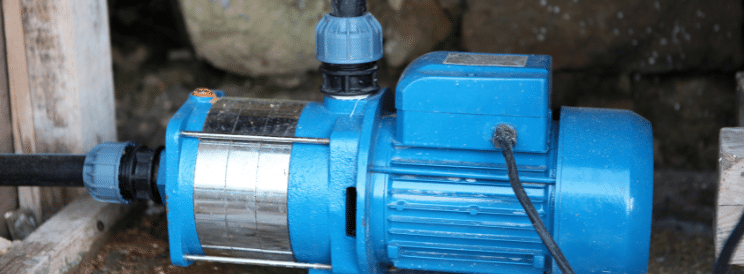
Curious whether your basement protector is working for you or quietly stressing your system? or How Often Sump Pump Should Run?
We are J Sewer & Drain Plumbing Inc., a family-owned team serving Chicago, IL and nearby areas since 2017. We treat your home like our own and focus on clear, practical advice.
In a typical setup, water gathers at the lowest point, rises in a pit, lifts a float, and the pump moves water out through a discharge line. The ideal pattern is simple: predictable cycles with the device starting and stopping as levels change.
Expectations vary — cycles depend on rainfall, groundwater, and drainage at your property, not one perfect number for every home.
We’ll help you spot red flags: nonstop operation, frequent short cycles, or a unit that fails to activate. If your basement is at risk, call us at (773) 968-2704 or email jsewerdrainplumbing@gmail.com. Locations: 3343 N Monticello Ave, 3017 N Elston Ave, Chicago, IL; 809 Ridge Rd, Wilmette, IL.
Key Takeaways
- Normal cycling means water rises, the float triggers the pump, and water is discharged.
- Frequency depends on weather, ground levels, and property drainage.
- Red flags include nonstop operation, short cycling, or no activation.
- We offer local, family-owned service across Chicago and nearby towns.
- For urgent issues, call (773) 968-2704 or email jsewerdrainplumbing@gmail.com.
How a Sump Pump Cycles On and Off During Normal Operation
The simple sequence of rise, trigger, and discharge keeps basements dry under normal conditions.
Groundwater or stormwater enters the pit and collects until the float lifts the float switch. When the float reaches its set height, the sump pump engages and directs water into the discharge line.
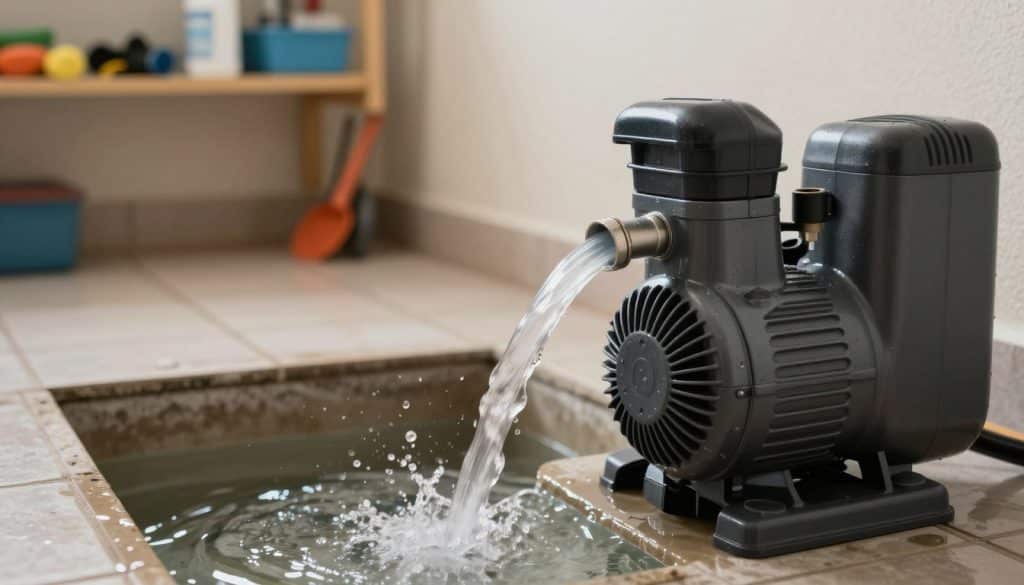
What a healthy cycle looks like
During a typical pump run, you will hear a steady, even motor sound and see clear water discharge that moves away from your foundation.
- Small drips usually do not trigger the device; the float waits for a set level to protect the motor.
- When inflow is heavy, cycles may repeat every few minutes; when inflow slows, cycles space out.
- A proper sump pump run ends shortly after water drops below the switch, and the system rests until levels rise again.
We recommend noting this rhythm. If the pattern shifts—no discharge, short cycles, or continuous activity—your float, switch, or discharge path may need inspection before damage occurs.
How Often Sump Pump Should Run in Chicago Homes and Similar Climates
Local weather and soil conditions control how frequently the device activates in Chicago-area homes. During heavy rain, a sump pump may work nearly nonstop to move rising water away from the foundation. In lighter storms, the unit often only cycles a few times as levels drop.
Typical frequency: heavy rain vs. lighter storms
In peak rainfall, expect cycles every few minutes; the unit may appear constant while the storm pours. After the heaviest rain, cycles taper as groundwater and surface runoff settle.
Key factors that change cycles
- Water table: high groundwater raises baseline filling, so pumps activate more even without major storms.
- Soil: dense clay holds moisture near foundations longer than sandy soils.
- Drainage: proper downspout routing and grading reduce how much water reaches the pit.
Seasonal patterns to expect
Wet seasons and spring melt usually increase activity. Cold winters can limit inflow when ground is frozen, but thawing or winter rain brings high water quickly.
We recommend logging times and durations to set a baseline for your property. If the unit appears to work much more than past seasons, check exterior drainage or call us for an inspection.
How to Diagnose a Sump Pump Running Too Much or Not Enough
Detecting abnormal cycling early prevents small problems from becoming major damage. Start with simple observation: does the unit shut off, does the water level drop, and is discharge moving away from the foundation?
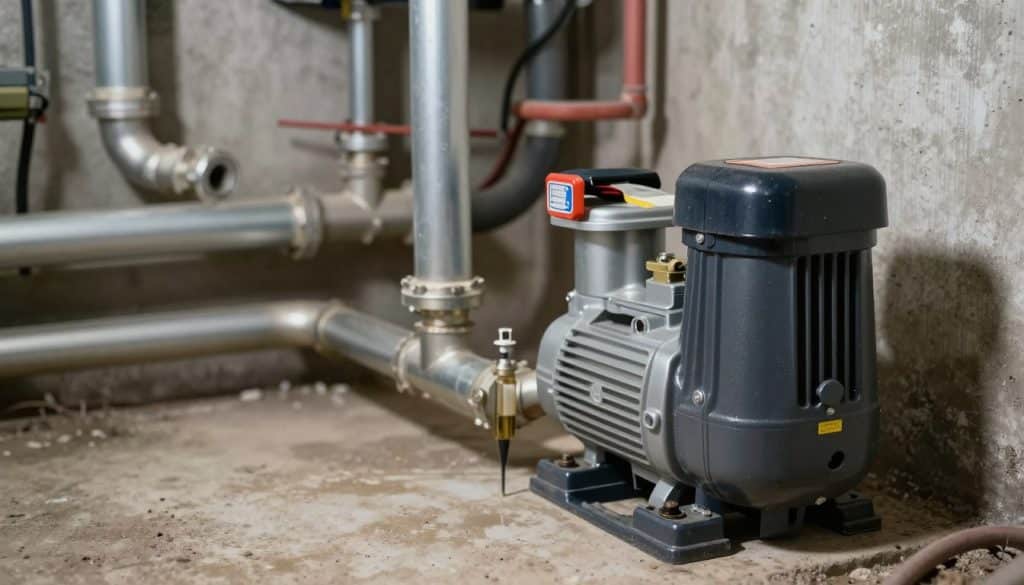
When the unit runs continuously
Continuous operation strains the motor and raises the risk of overheating. That wear can lead to costly repairs or sudden failure during a storm.
Float switch and float problems
Debris or misalignment can jam the float or cause the switch to stick. That can leave the device stuck on, causing heavy wear, or stuck off, creating flood risk.
Check valve, discharge line, and exterior causes
A broken check valve allows backflow that forces repeated cycles. A clogged or frozen discharge line blocks water flow and shortens each pump run. Exterior drivers — negative grading, downspouts near the wall, or a broken main — can create persistent high water that mimics mechanical failure.
- Quick checklist: observe shutoff, confirm water drops, check discharge flow, clear debris, then call professional plumbing if unsure.
- Early diagnosis helps avoid further damage and costly repairs.
Maintenance Steps to Control Running Frequency and Extend Pump Life
A clear maintenance plan cuts unnecessary cycling and extends your system’s service life. We recommend small, regular checks that are quick to perform and protect against water damage.
Basic checklist:
- Inspect the pit and remove leaves, debris, and sediment.
- Confirm the unit is seated level and the float moves freely.
- Test operation by pouring water into the pit until the float activates.
- Verify the discharge path is clear and the check valve works.
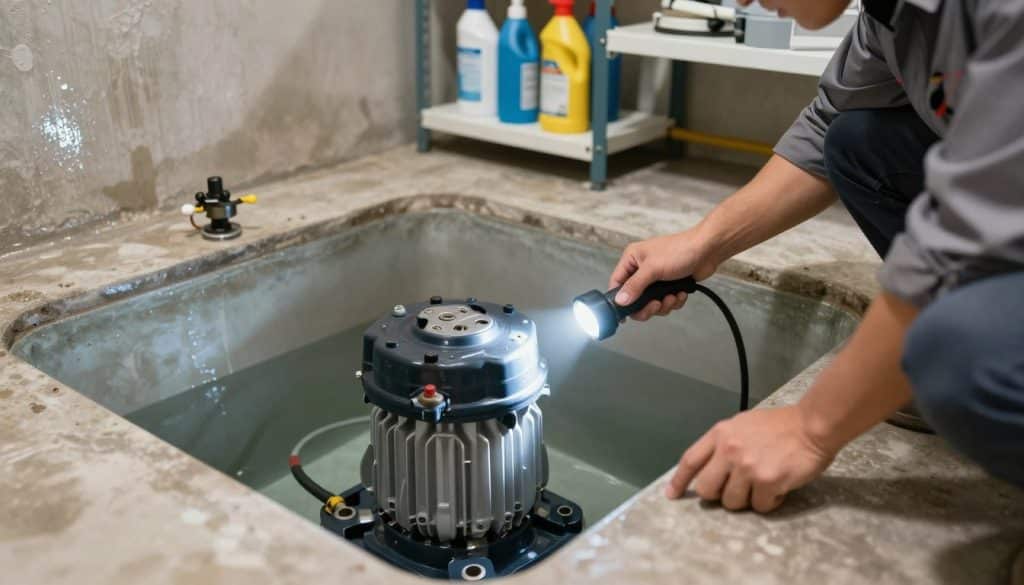
Most sump pumps last about 7 to 10 years with proper maintenance. Lifespan shortens with heavy cycling, poor installation, or neglected upkeep.
Watch for motor strain: unusual grinding, short cycling, overheating, or a labored sound can signal trouble. These signs raise the risk of sudden failure and higher water damage potential.
Battery backup care matters in Chicago storms. Most backup batteries last 3 to 5 years. Test them routinely and replace before they lose power.
If your unit is near the end of its years or shows multiple warning signs, replacement often protects your home better than repeated repairs. We focus on keeping your system efficient and dependable for the next storm.
Conclusion
Knowing what normal looks like helps you spot problems before they cause damage.
Normal cycling means water rises, the float triggers, the sump pump and motor move water away, then the system stops cleanly—vital through Chicago seasons and heavy rain.
If the unit runs constantly, repeats the same discharge, or shows odd noises, likely causes include float switch faults, check valve failure, blocked discharge, or poor exterior drainage. Quick action avoids larger repairs.
Document cycle timing, sounds, and discharge flow so diagnosis is faster if you call. We offer friendly, professional plumbing help and standby support when power is unreliable.
Contact J Sewer & Drain Plumbing Inc.: (773) 968-2704 | jsewerdrainplumbing@gmail.com. Offices: 3343 N Monticello Ave, Chicago; 3017 N Elston Ave, Chicago (new); 809 Ridge Rd, Wilmette. Monday–Saturday, 24 hs open. We treat your home like family and keep your system ready for the next storm.