
Can one quiet leak quietly eat your savings before anyone notices? How often should I get a plumbing inspection for my home?
We answer that question up front and give you a clear, practical schedule to protect your property. As a family-owned, two-generation Chicago ally, J Sewer & Drain Plumbing Inc. treats every customer like family. We opened in 2017 and serve Chicago, IL and nearby areas, with service Monday through Saturday and 24 hrs open when emergencies strike.
Think of an annual check the way you think of a car service. Most homes benefit from a professional plumbing inspection at least once a year. Regular checks catch small leaks, pressure issues, corrosion, and early water heater warnings before they become costly.
Routine care saves money, reduces water waste, and keeps fixtures working steadily. We inspect the whole plumbing system, look for hidden trouble, and explain what you can do between visits to keep things running smoothly.
Call (773) 231-8869 or email [email protected] to schedule and feel confident in your home.
Key Takeaways
- Schedule at least one professional plumbing inspection per year as a baseline.
- Annual checks spot leaks, pressure problems, and corrosion early.
- Regular maintenance reduces surprise repairs and water waste.
- We offer local, family-focused service across Chicago, with extended hours.
- We inspect the full plumbing system and advise simple checks you can do between visits.
Why regular plumbing inspections matter for your home plumbing system
A tiny leak can quietly turn into widespread damage before anyone notices. Small leaks in pipes soak drywall, warp floors, and stain ceilings. Left alone, moisture invites mold and rising repair costs.
Even minor drips and running toilets waste water and raise bills. Low water pressure often signals blockages or hidden leaks in the system. Catching problems early keeps fixtures working and avoids sudden failures.
We focus on prevention and clear guidance to protect Chicago families. Regular plumbing checks spot wear, corrosion, and weak joints before they fail.
- Small leaks in pipes can slowly soak building materials and lead to serious water damage.
- A tiny drip can become mold and structural damage; early detection limits disruption and cost.
- Inspections protect the whole system, improve fixture performance, and identify pressure issues.
- Fixing dripping faucets or running toilets stops wasted water, lowers bills, and saves money.
Regular plumbing checks give peace of mind: fewer emergencies, smaller repairs, and steady performance from your home plumbing system.
How often should I get a plumbing inspection for my home?
An inspection rhythm that fits your home’s age and use saves time and money. We recommend a professional plumbing inspection once per year as the baseline for most homes in Chicago. Annual checks catch early corrosion, leaks, and water pressure issues before they grow.
Older homes—about 20 years or more—often need checks every six months. High-use properties, rentals, or large families may require more frequent visits because fixtures and drains wear faster.
- Plan a pre-winter visit to reduce freeze and burst-pipe risk.
- Hard water areas call for closer monitoring of mineral buildup and reduced flow.
- Call sooner if you notice sudden bill spikes, visible leaks, low water pressure, slow drains, or sewer smells—these are red signs, not routine matters.
We help you choose the right inspection schedule tailored to your specific system, local conditions, and your household’s daily water usage, so potential issues can be spotted and handled before they cause disruption or damage. And if you notice warning signs like an active leak, a sewer backup, or a sudden drop in water pressure, it’s important to treat the situation as urgent—these symptoms can signal a serious problem that needs immediate professional attention, so contacting us right away can help prevent further damage and restore your system quickly.
How to do it right: what happens during a plumbing inspection and what to check between visits
A careful check helps uncover small faults early—before they escalate into costly, disruptive repairs that can damage your property or interrupt your routine. We guide you through what a truly thorough inspection involves, from examining hidden trouble spots to testing key systems, and we also share simple, practical steps you can take between professional visits to maintain performance, prevent wear, and keep your property protected year-round.
What we review on site
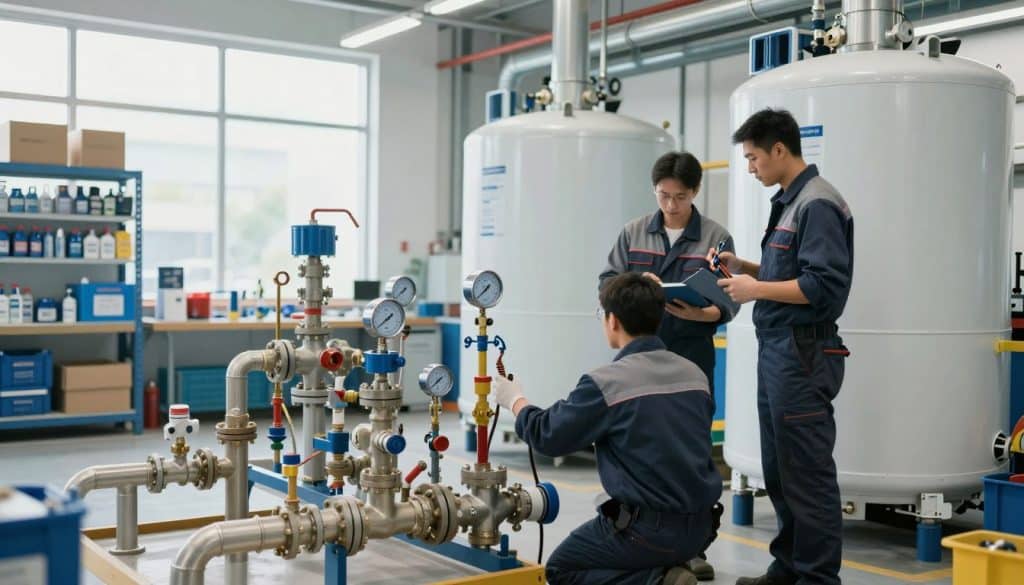
We inspect visible pipes and fittings for corrosion, leaks, and damage. We test faucets, toilets, drains, and fixtures for proper function.
System testing and hidden leak detection
We measure water pressure and run targeted tests to spot hidden leaks. Low or high pressure can signal blockages, buildup, or regulator issues.
Water heater and sewer checks
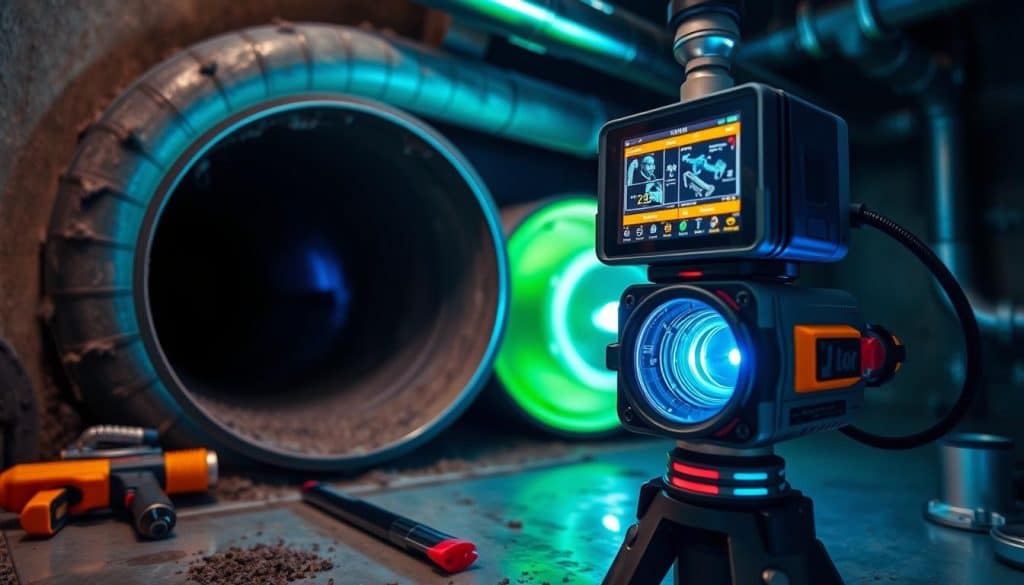
We inspect your water heater for sediment buildup, efficiency performance, and critical safety indicators that can signal wear or an impending failure, helping you avoid sudden breakdowns or costly replacements. For sewer and drain line concerns, advanced camera inspections allow us to see inside the pipes, pinpointing hidden blockages, cracks, or early signs of root intrusion so issues can be addressed before they escalate into major plumbing emergencies.
- Monthly: quick visual checks under sinks and around toilets.
- Every 3–6 months: inspect appliance hoses for brittleness or drips.
- After heavy rain or freeze: check basements, ceilings, and the foundation for new moisture.
- Simple tests: dye in the toilet, paper towel under pipes, and watch the water meter when everything is off.
Spot active leaking, recurring backups, or sewer signs? Call us quickly so repairs stay small and avoid emergency damage. We explain findings clearly and help you prioritize repairs with practical options.

Conclusion
Simple preventative steps extend the useful life of pipes and fixtures. For most homeowners, annual checkups set the baseline, while older or high-use properties need closer attention to reduce problems and costly emergency calls.
Regular inspections help protect your home, control water waste, stabilize pressure, and keep bills steady. Treat prevention as long-term maintenance that saves money and adds years to your plumbing system.
Reach out to J Sewer & Drain Plumbing Inc., family-owned since 2017 and run by two generations who treat every customer like family. Call (773) 231-8869 or email [email protected]. We serve Chicago, IL and nearby areas, Monday to Saturday, 24 hours open.
Locations: 3343 N Monticello Ave, 3017 N Elston Ave, Chicago, IL; 809 Ridge Rd, Wilmette, IL. Plumbing is our passion; we’re here to help plan maintenance and prevent urgent issues.
FAQ
How often should we schedule a professional plumbing inspection?
We recommend an annual check by a licensed plumber from J Sewer & Drain Plumbing Inc. for most Chicago homes. An annual review helps catch small leaks, corrosion, and fixture wear before they turn into costly water damage or emergency repairs.
Why do regular inspections matter for our plumbing system?
Regular checks protect your home from hidden leaks that can ruin walls, floors, and ceilings. They also help maintain water pressure and keep fixtures working efficiently, which lowers utility bills and extends the life of pipes and appliances.
When should inspections be more frequent than once a year?
Increase frequency if your property is older, sees heavy water use, or has had repeat problems. Homes with known corrosion, older galvanized or cast-iron lines, or those served by private wells often benefit from semiannual reviews.
How do local conditions like hard water and freezing weather change the schedule?
Hard water speeds mineral buildup in pipes and water heaters, so inspect more often to prevent blockages and reduced efficiency. In Chicago, seasonal freezes and thaw cycles can stress lines; check after cold snaps and spring thaw for new leaks or cracks.
What warning signs mean we should call right away instead of waiting for the next appointment?
Call immediately if you notice persistent low water pressure, slow or gurgling drains, damp spots on walls or ceilings, sudden spikes in water bills, or sewage odors. These symptoms can indicate active leaks or sewer issues needing prompt attention.
What does a plumber inspect during a professional visit?
A full inspection includes visible pipe runs, faucets, toilets, drains, and fixtures. Technicians check for corrosion, loose fittings, and moisture. They also test water pressure and may run dye or thermal checks to find hidden leaks.
How are water heaters evaluated during an inspection?
We assess temperature settings, pressure relief valves, sediment buildup, and signs of rust or leaks. For tank models we check for corrosion and efficiency loss; for tankless units we verify flow rates and combustion venting where applicable.
When should we investigate sewer lines and drain lines more deeply?
If you experience recurring blockages, backups, or slow drains across multiple fixtures, schedule a camera inspection. This reveals blockages, root intrusion, and bellied pipe sections that need repair before major collapse or sanitary failures.
What checks can homeowners do between professional visits?
Monthly, look for damp spots, listen for running water when fixtures are off, and run sinks to check drainage. Every 3–6 months inspect appliance hoses, under-sink connections, and toilet bases for leaks or soft flooring.
Where should we look after heavy rain or a deep freeze?
After storms or freezes, check basements, crawlspaces, ceilings, and the area around the foundation for new moisture. Also inspect outdoor hose bibs, irrigation connections, and exposed pipes for cracks and leaks.