
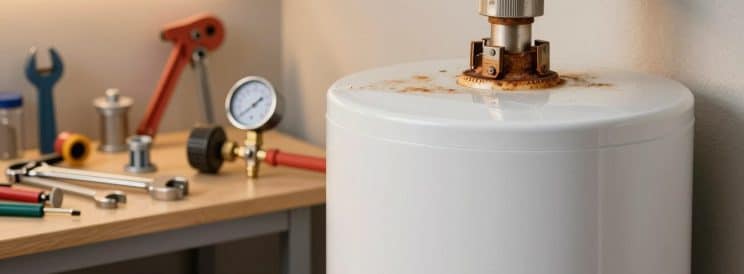
Curious whether your unit will keep delivering warm showers, or if now is the time to plan an upgrade? How long does a water heater last before it needs replacement? We ask this to help Chicago homeowners avoid sudden cold surprises and costly emergencies.
Welcome to J Sewer & Drain Plumbing Inc., a family-owned team serving Chicago, IL and nearby areas since 2017. We treat every customer like family and focus on clear, practical advice.
Many units reach about 8 to 12 years of reliable service. If your system is over 10 years old, shows leaks at the base, or heats inconsistently, replacement is often the smart choice. We explain the difference between average lifespan and your home’s real experience, considering local water quality, usage, and maintenance.
Call (773) 968-2704 or email jsewerdrainplumbing@gmail.com to schedule and feel confident in your home.
Key Takeaways
- Typical lifespan for many units is about 8–12 years.
- Age, leaks, and erratic heating are clear signs to assess options.
- Tank and tankless systems offer different service ranges and costs.
- Regular maintenance and local water conditions affect longevity.
- J Sewer & Drain Plumbing Inc. offers inspections and professional installation in Chicago.
Understanding the average water heater lifespan in Chicago homes
In Chicago homes, expected service spans can differ widely depending on model and care. We define “average lifespan” as the typical years a unit provides reliable service before repairs rise or performance drops.
Typical lifespan for traditional tank water heaters
Tank units most often run about 8–12 years in normal conditions. Stored hot water and sediment buildup inside the tank speed corrosion and wear. If your household has harder municipal supply, sediment can shorten those years without regular flushing.
Typical lifespan for tankless water heaters
Tankless systems usually last longer—typically 15–20 years with proper care. On-demand heating reduces wear from standby heating, though mineral scale can still affect heat exchangers if maintenance is neglected.
Why “years of service” can vary by home and unit
- Water hardness and mineral content increase internal wear.
- Higher household demand makes units cycle more often.
- Regular maintenance and quality installation extend service life.
We recommend watching performance as a unit reaches its expected years, and scheduling inspections earlier if you notice leaks, noise, or inconsistent temperatures. That way, your home stays protected and plans stay on budget.
How long does a water heater last before it needs replacement?
Knowing rough service benchmarks makes budgeting for an upgrade much easier. We give clear numbers you can use to plan, and simple signs that show when to act.
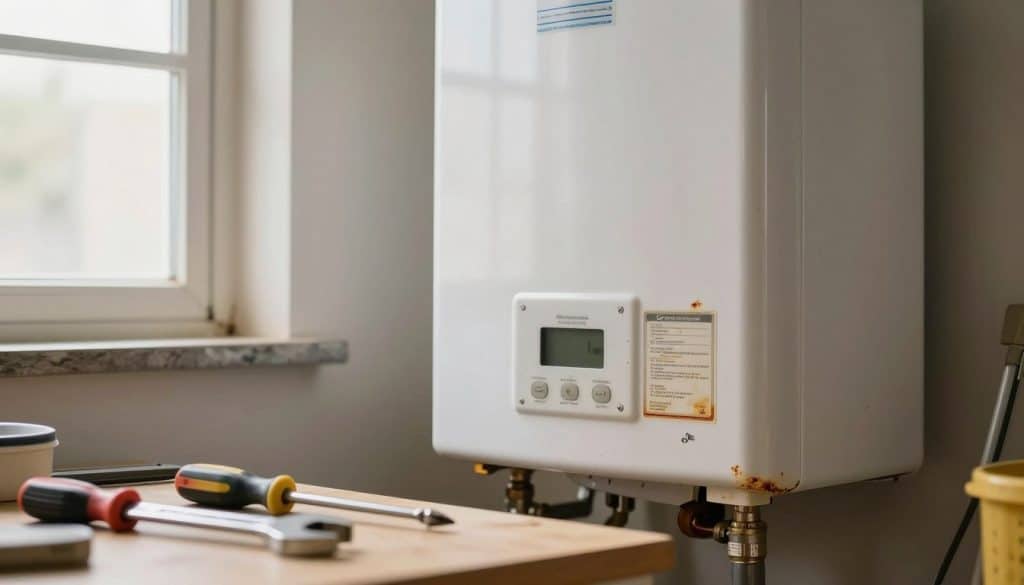
Quick lifespan benchmarks to plan replacement time
Tank models commonly serve about 8–12 years under normal conditions. Sediment and local mineral content often shorten that span without regular care.
Tankless units can reach around 15–20 years with proper maintenance, since they avoid standby wear that affects tanks.
Why the 10-year mark is a smart point to start budgeting
At roughly 10 years, we recommend setting aside funds and comparing options. Even if your system still works, surprise failures can cause costly water damage.
- Use age plus performance signs—like inconsistent hot supply or strange noises—to judge urgency.
- Replace on your schedule to shop efficiency upgrades and avoid emergency service fees.
- Treat base leaks as urgent; a failing tank can escalate quickly and cause major water loss.
What affects how long water heaters last
Several key factors determine why two similar units can age very differently in the same home. Below we break down the biggest drivers so you can protect performance and plan for service.
Water quality and mineral buildup
Hard water minerals cause sediment and buildup inside tank surfaces. That sediment reduces heating efficiency and speeds corrosion.
In Chicago, higher mineral content raises risk. Periodic flushing helps remove deposits and keeps the system running cooler.
Regular maintenance habits
Simple, regular maintenance extends life. Flushing, checking the anode rod, and inspecting valves prevent early wear.
Usage patterns and household demand
Frequent showers, laundry loads, and dishwashing increase cycling. More cycles mean more wear, shortening useful life.
Quality of installation
Correct venting, proper electrical sizing, and code-compliant piping reduce stress on components.
Professional installation protects safety, preserves warranties, and supports peak efficiency over the unit’s life.
- Monitor local water quality and schedule flushing.
- Use regular maintenance checks to stop sediment damage.
- Hire pros for setup to avoid premature failures.
How to check your water heater’s age and warranty before you replace water heater equipment
Start by locating the nameplate on your unit. It is usually on the tank side or near the access panel and holds the vital data we need.
Where to find the nameplate and what information it provides
The nameplate lists the model and serial number, tank capacity, insulation R-value, and working pressure. These items help identify the unit’s manufacture date and parts compatibility.
Electric units also show wattage and voltage. That detail matters for safe troubleshooting and for ordering the correct replacement parts.
How warranty terms can guide repair vs replacement decisions
Review the warranty to learn covered defects, time limits, and required maintenance. Warranties often reduce out-of-pocket costs when failures fall under covered conditions.
- Note the serial number and warranty period; this helps when you contact a technician.
- Compare repair costs to the remaining coverage and the expected life of the unit.
- If coverage is expired or repair costs exceed value, plan for replacement or to replace water heater on your schedule.
Signs your hot water heater may need replacement soon
Watch for clear warning signs that tell you your unit may be approaching the end of useful service. Spotting problems early helps you plan repairs or a swap without surprises.
Leaks around the base of the tank and what they usually mean
Visible leaks at the base often point to internal corrosion or a failed inner tank. In most cases, a leaking tank is not a simple fix and the unit is best replaced.
Inconsistent hot water or running out too quickly
If your hot supply drops fast, sediment and worn components reduce usable capacity. That can make your hot water heater struggle to meet demand and shorten useful life.
Rumbling, popping, or banging noises from sediment buildup
Rumbled or popping sounds come from trapped sediment that causes pockets of steam and stress on the tank. Regular flushing helps, but heavy buildup may leave the heater may underperform.
Rust, corrosion, and discolored or smelly hot water
Rust or brown water signals corrosion inside the tank or plumbing. Smelly hot water, often from dissolved gases, needs prompt service to rule out bacterial or anode rod issues.
Rising energy bills and declining heating efficiency
A steady rise in bills while usage stays the same shows falling efficiency. When repairs no longer restore performance, replacing the water heater can cut costs and restore reliable heating.
- Checklist: leaks, odd noises, reduced output, rusty or smelly water, rising bills.
- When multiple signs appear, plan a professional inspection to decide whether repair or replacement makes more sense.
Troubleshooting common water heater issues before deciding on replacement
Before you decide on a swap, try a few simple checks that often fix common problems without calling for full replacement. We walk you through safe, homeowner-friendly steps so you can spot fixable faults or confirm when professional service is required.
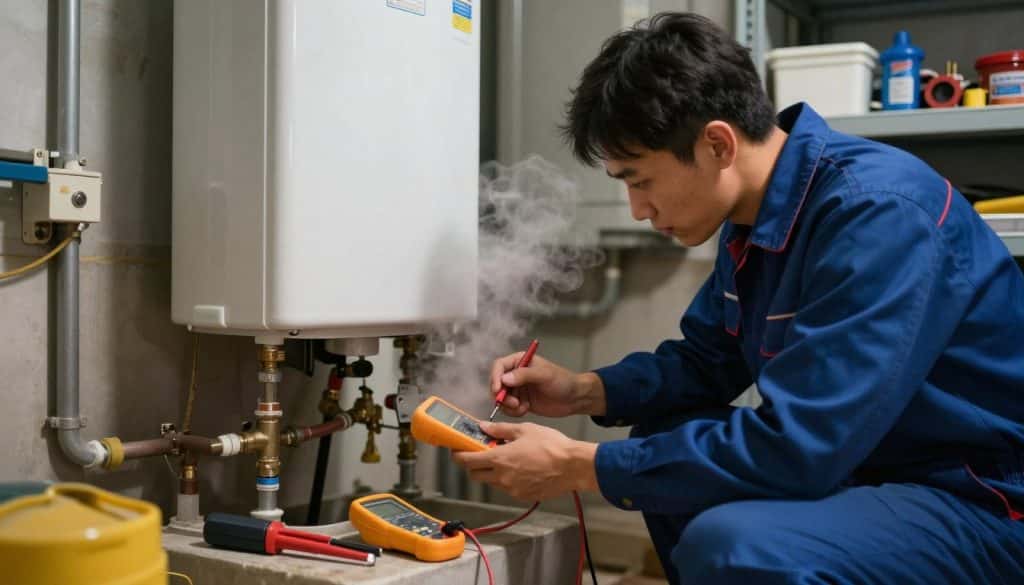
No hot water: power and basic checks for electric systems
Start at the breaker and reset any tripped switches. Inspect the power switch near the unit and confirm the thermostat is set correctly. If breakers and settings are fine, failed elements or thermostats may be the cause.
Gas unit basics: pilot light, inlet screen, and airflow
For a gas water heater, make sure the pilot light is lit. A dirty inlet air screen, weak thermopile, or fuel supply issue can stop proper ignition. Clear vents and call for service if ignition problems persist.
Water too hot and safety considerations
If water overheats, lower the thermostat and test. Persistent overheating, grounded elements, or a stuck control pose safety risks. Stop DIY checks and contact us for electrical testing.
When to call for repair or installation help
- Simple fixes: tripped breaker, pilot relight, thermostat adjustment.
- Call us: suspected internal leaks, failed elements, ignition or combustion faults.
- Preventive tip: flush sediment per the manual to reduce noise and extend service time.
Repair vs replace water heater: how to make the cost-smart call
When costs and reliability collide, a clear repair vs. replacement checklist keeps choices practical and safe.
We give you a simple framework to weigh repair against full replacement. Start by checking the unit’s age and the nature of the fault.
When repair makes sense for a newer unit
If the unit is under about 8 years and the issue is contained—like a thermostat, heating element, or valve—repair often wins. Repairs are faster, cheaper, and preserve the remaining service years.
When replacement is usually the better option for older heaters
When a unit is at or past ~10 years, or failures are frequent, replacement usually saves money over time. Old tanks risk leaks and higher energy bills.
The “half the cost of a new unit” rule of thumb
Use this rule: if repair costs more than half the price of a new water heater, plan to replace water heater instead. Factor in hidden costs—possible water damage, downtime, and rising utility bills.
- Quick guide: repair if under 8 years with a simple fault; replace if 10+ years or recurring failures.
- Use quotes to compare repair vs. buying a new water heater and pick the smarter long-term choice.
Choosing a new water heater: tank vs tankless, sizing, and efficiency upgrades
Choosing the right system means matching your household’s routines, space, and budget. We’ll compare tank and tankless options, explain sizing basics, and point out efficiency and safety upgrades that save money and stress.
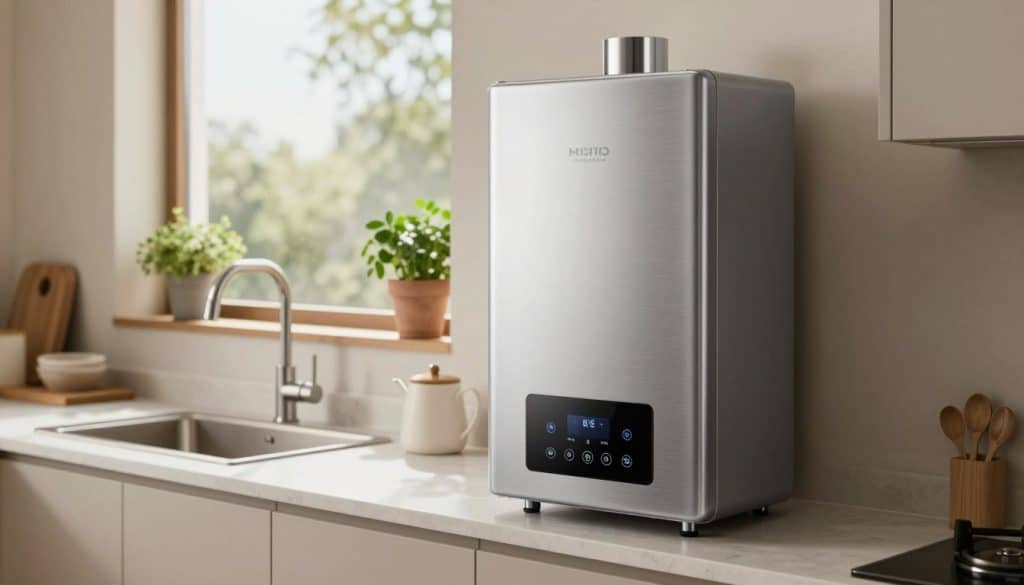
Tank considerations: capacity, recovery, and space
Tank models suit many families. A 40–50 gallon tank fits most homes and handles multiple showers and chores. Check recovery rate and physical dimensions to ensure the unit fits your basement or closet.
Tankless benefits and upkeep
Tankless units offer longer lifespan and on-demand hot water, with lower standby loss. In hard-water areas, schedule periodic descaling to prevent scale and keep performance high.
Protecting new equipment and improving efficiency
- Hard-water care: flush tanks, use descalers, and install filters to limit sediment and buildup.
- Energy upgrades: look for ENERGY STAR® rated models, federal credits, and local rebates to reduce operating cost.
- Safety: for gas models, confirm proper venting and add carbon monoxide detectors during installation.
Professional installation and routine maintenance help your chosen unit reach expected years of service and protect warranties. We’ll size systems to match hot water demand and your home’s layout.
Conclusion
Finally, small inspections and timely choices protect your home from sudden failures and high costs. Keep simple checks in mind and act early when you see clear signs.
Key takeaways: typical tank units often reach about 8–12 years, while tankless models can run roughly 15–20 years with proper care. Note age, leaks, odd noises, and falling performance as signals to review options.
Use a cost-smart rule: repair when the unit is relatively new and the fault is minor; choose replacement when age and repair estimates point to diminishing returns. Confirm your unit’s manufacture date and match symptoms to safe troubleshooting steps before you decide.
If you want an expert opinion in Chicago, IL and nearby areas, call J Sewer & Drain Plumbing Inc. at (773) 968-2704 or email jsewerdrainplumbing@gmail.com. We’re family-owned (est. 2017), two-generation, and treat every customer like family. Visit us at: 3343 N Monticello Ave, 3017 N Elston Ave, Chicago, IL; 809 Ridge Rd, Wilmette, IL. Monday–Saturday, 24 hours Open for inspections, repairs, and replacement options.