Understand How Does Drain Cleaning Work with J Sewer & Drain

Curious why a slow sink or a recurring clog keeps coming back. How does drain cleaning work?

We are J Sewer & Drain Plumbing Inc., a family-run, two-generation team serving Chicago, IL and nearby areas since 2017. We treat every customer like family and focus on long-term solutions, not quick fixes.

In this short guide we explain what professional drain cleaning means in real homes, what problems it solves, and why it differs from a simple unclog. You will learn about tools we use—camera inspection, mechanical cabling, and high-pressure hydro-jetting—and how those choices protect your pipes and restore safe, strong flow in your plumbing system.

Need help now? Call us at (773) 968-2704 or email jsewerdrainplumbing@gmail.com. Visit the office nearest you:  Locations: 3343 N Monticello Ave, 3017 N Elston Ave, Chicago, IL; 809 Ridge Rd, Wilmette, IL. We are available Monday–Saturday, 24 hrs open for urgent service.

Key Takeaways

  • Professional drain cleaning removes blockages and built-up residue for lasting results.
  • We use camera inspections, snaking, and hydro-jetting to find and fix the issue safely.
  • J Sewer & Drain is a family-owned Chicago team focused on protective, long-term solutions.
  • Service area covers Chicago and nearby communities with extended weekday and weekend availability.
  • For urgent needs, call (773) 968-2704 or email jsewerdrainplumbing@gmail.com.

Why drain cleaning matters for your home’s plumbing system

Everyday use hides a slow narrowing inside pipes that can turn normal flow into a persistent problem. Organic matter—food scraps, skin cells, and soap scum—clings to pipe walls. Over time, this residue builds layers and shrinks the opening, creating recurring clogs.

In the kitchen, grease cools, sticks, and traps food particles. In the bathroom, hair tangles with soap and minerals, forming stubborn blockages. Hard water minerals add to the buildup and speed the process.
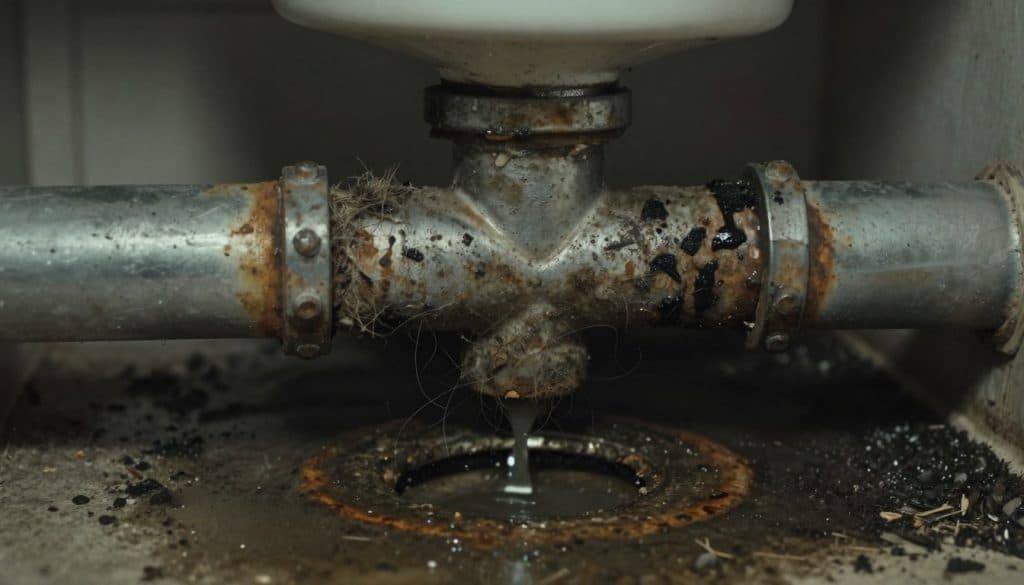
A close-up view of a drainpipe showing significant buildup of hair, grease, and debris, illustrating the urgent need for drain cleaning. In the foreground, a partially clogged drain reveals dark, murky water pooling around it, with fine details of the grime and material visible. In the middle ground, the drain's metallic edges are rusted and stained, giving a stark contrast to the buildup. The background features a dimly lit bathroom setting, with shadows emphasizing the depth and complexity of the plumbing system. Soft, overhead lighting casts a slightly eerie mood, suggesting neglect while highlighting the importance of maintenance for plumbing systems. The image exudes a sense of urgency and the necessity for clean conditions, inviting viewers to reflect on the implications for home plumbing health.

Ignoring slow sinks and gurgling can cause odors, unsanitary conditions, and water damage. Multi-fixture symptoms may point to sewer-line buildup and larger plumbing system trouble.

Watch for early warning signs so you can act: slow sinks, repeated backups, gurgling noises, and water appearing in the wrong fixtures. Quick DIY plunging helps minor cases, but tougher clogs often need professional service to protect your pipes and home.

  • Protect health: prevent standing waste and odors.
  • Prevent damage: avoid leaks and costly repairs.
  • Preserve flow: keep sinks, showers, and sewer lines functioning.

How does drain cleaning work in real homes?

Repeated backups and slow draining usually signal residue has narrowed the pipe over time. We separate quick fixes from long-term care so your system stays reliable.

Drain clearing removes the immediate clog so water moves again, often with a cable or auger. Drain cleaning targets built-up residue—grease, hair, and minerals—so clogs do not return.

  1. We listen to your symptoms and check which drains are affected.
  2. We protect your space and pick the safest access point.
  3. We diagnose, sometimes with a camera, then present options and price.
  4. We clear or clean the line, verify restored flow, and tidy up.

Pipe material and the clog’s location guide our choice of solution. Some pipes handle a simple cable pass well; others need hydro-jetting to remove stubborn buildup. We set realistic expectations for time, and we explain prevention steps so your drains stay healthier longer.

Trust professional drain cleaning when symptoms repeat—it’s the best way to protect pipes and avoid frequent service calls.

Diagnosing the clog before cleaning the drain

We begin with a quick, targeted assessment. We ask which fixtures are slow, where water backs up, and whether multiple fittings show symptoms.

Initial assessment helps us decide if the issue is a local clog or a system problem. Recurring clogged drain symptoms often mean repeated buildup, partial blockages, or deeper restrictions that simple fixes won’t stop.

  • We note fixture behavior and water movement to narrow likely locations.
  • That step prevents unnecessary stress on pipes and limits needless excavation.
  • Visual notes form a plan you can review with our team.

Video drain inspection

We use a waterproof, high-resolution camera on a flexible rod to travel through twists and turns. The camera shows real-time footage inside sewer lines and underground pipes, even beneath concrete.

The video can reveal roots, cracks, collapsed sections, or other damage. Footage is saved for your records so we can recommend the least invasive method to restore reliable flow and protect your plumbing system.
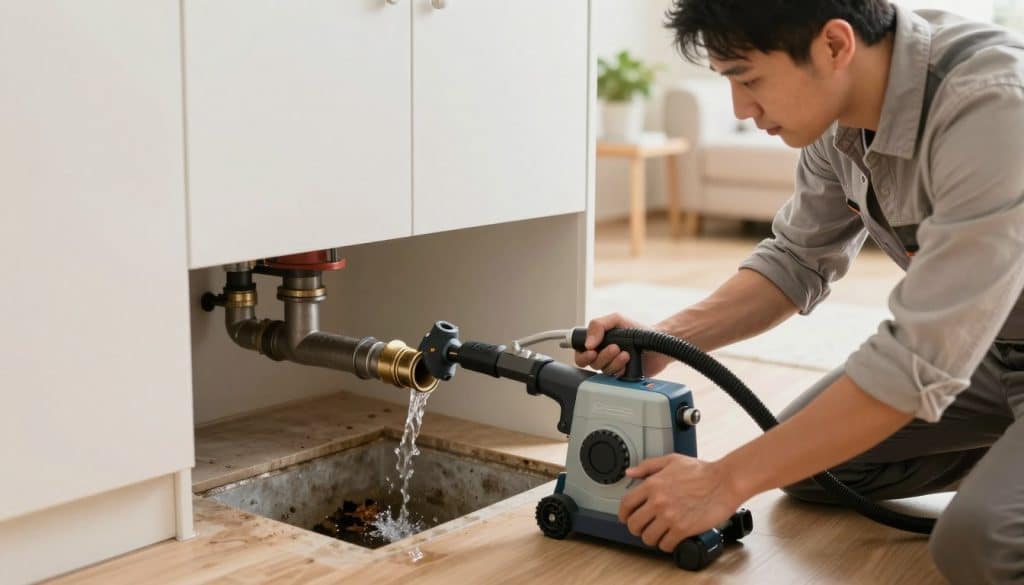
A well-lit indoor scene depicting a professional drain cleaning technician in modest casual clothing actively working on a residential drain. In the foreground, the technician is using a modern drain cleaning machine, demonstrating the equipment and tools involved. The middle ground shows a partially open drain with visible plumbing components, water flowing, and some debris being cleared. In the background, a clean and tidy home environment with warm colors, emphasizing a cozy atmosphere. The lighting is bright and inviting, creating a sense of professionalism and efficiency. The camera angle is slightly elevated, capturing the technician's focused expression and the intricate details of the drain cleaning process without any text or distractions.

Drain cleaning methods pros use to remove clogs and buildup

Clearing a clogged line starts with matching the solution to the pipe and the buildup. We pick tools that protect your plumbing while removing the material that triggers repeat problems.

Plungers and pressure differentials for minor clogged sinks

Plungers create a push/pull pressure differential to dislodge small clogs in a sink or bathroom fixture. They work best for soft blockages and simple backups, when you need a quick, safe fix.

Drain snaking to break up or pull out hair, food, and debris

A flexible cable, or snake, threads into the line to catch hair and pull out trapped food and grease. It breaks apart residues without heavy pressure on the pipe.

Augers for larger lines and tougher fixtures

Augers use stronger, longer cables suited for toilets and shower drains. They reach farther and handle denser clogs where a small snake won’t reach.

Hydro-jetting to scour pipe walls and restore flow

Hydro-jetting uses high-pressure water—often up to about 4000 psi—to scour away grease and long-term buildup. This restores full diameter and prevents recurring blockages.

When pipe repair is recommended

If video inspection shows roots, cracks, or collapsed sections, we recommend repair. Cleaning alone won’t protect your home when the pipe has structural damage.

  • We match plunger, snake, auger, or jet to the symptom and location.
  • We avoid pushing debris deeper when repair is the better long-term solution.
  • Our goal is to stop repeat clogs and restore reliable water flow.

How drain cleaners work and when to avoid chemical drain cleaners

Some household products promise instant results, but their effects and risks vary widely. We want you to pick a safe, effective route for your home and plumbing.

Chemical types and what they tackle

Chemical drain cleaners fall into three groups: caustic, oxidizing, and acidic. Caustics soften grease and can heat during reaction. Oxidizers attack organic items like hair. Acidic solutions are very strong and used only in worst-case scenarios.

Enzymatic and bacteria-based options

Enzymatic cleaners use bacteria or enzymes to digest organic buildup slowly. They are gentler on pipes and often used as maintenance. Expect longer time—often overnight—to see results.

Timing, risks, and safer steps

Some products act in 15–60 minutes; enzyme products may take 8–24 hours depending on clog type and standing water. Risks include PVC warping from heat, metal stress, harmful fumes, and burns.

  • Safer DIY: hot water flushes, baking soda + vinegar, then water.
  • When to stop: if chemicals were used and the blockage remains, call us for a camera inspection.
  • Long-term: repeated chemical use can harm pipes and septic bacteria; mechanical service may be needed.
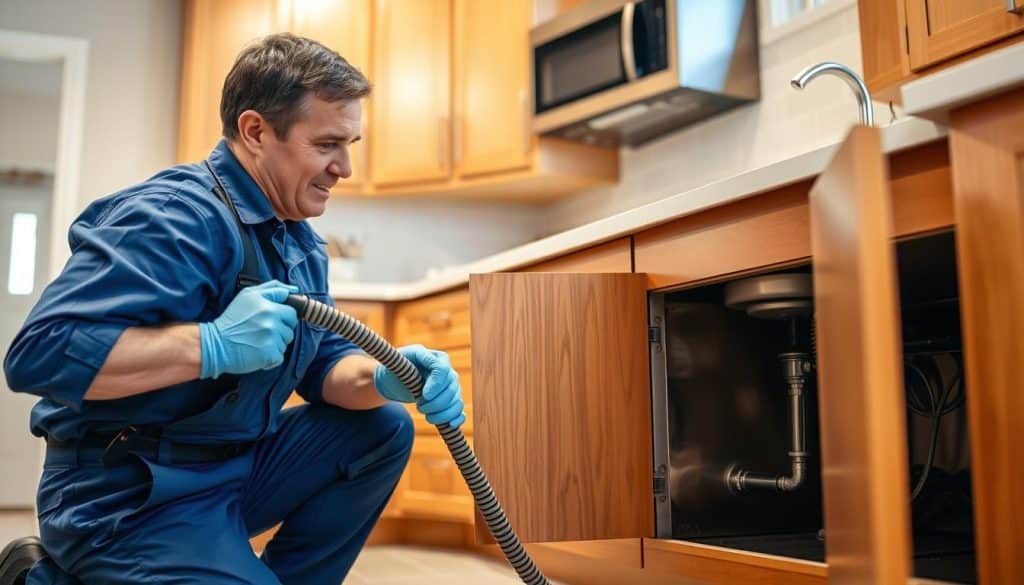
plumber for drain cleaning - drain cleaning company - how does drain cleaning work

Conclusion

Lasting results come from matching the right method to the real cause inside your pipes. We focus on diagnosis, verified fixes, and protective solutions so small clogs do not return as bigger blockages.

As a family-owned, two-generation team since 2017, we treat every homeowner like family. Our professional drain cleaning and plumbing work aims to restore strong, reliable flow and protect your home for the long term.

Need clear recommendations or fast service? Call (773) 968-2704 or email jsewerdrainplumbing@gmail.com. We serve Chicago, IL and nearby areas, Monday–Saturday, 24 hrs open.

Office locations: 3343 N Monticello Ave, Chicago, IL 60618; 3017 N Elston Ave, Chicago, IL 60618; 809 Ridge Rd, Wilmette, IL 60091. Reach out for transparent advice, safe solutions, and prompt service.


FAQ

What makes regular drain maintenance important for my home’s plumbing system?

Regular upkeep prevents buildup of organic matter, grease, soap scum, and hair that narrows pipes over time. Left unchecked, blockages raise the risk of slow drains, bad odors, backups into sinks and tubs, and costly sewer repairs. At J Sewer & Drain Plumbing Inc., we focus on preventive care to protect your plumbing, preserve flow, and reduce emergency calls across Chicago and nearby neighborhoods.

How do clogs typically form in kitchen and bathroom fixtures?

Clogs start when food waste, cooking oils, and grease combine with soap residue in kitchen drains, while hair, skin cells, and toiletries collect in bathroom traps. Over weeks or months, these materials stick to pipe walls and trap more debris, eventually restricting flow or causing full blockages that require professional service.

What health or property risks come from ignoring recurring blockages?

Recurring backups can breed bacteria, produce foul gases, and encourage pest activity. Frequent overflows can damage cabinetry, floors, and drywall, and prolonged pressure on pipes may cause cracks or joint failures. Prompt attention reduces contamination risks and limits repair costs.

What early warning signs indicate a buildup in sinks, showers, or sewer lines?

Watch for slow draining water, gurgling sounds from drains, lingering odors, sudden sewage smell in basements, or toilets that bubble when other fixtures run. These signs often mean partial blockages or venting issues and signal the need for inspection.

What is the difference between drain clearing and drain cleaning?

Drain clearing removes an immediate obstruction to restore flow, often with a snake or plunger. Drain cleaning goes further, removing accumulated grease, biofilm, and mineral scale from pipe walls to prevent reoccurrence. We prioritize cleaning methods that extend pipe life and reduce repeat service calls.

What steps do our plumbers follow from diagnosis to restored flow?

We start with a symptom check and fixture assessment, then trace water flow and test nearby drains. If needed, we perform a video drain inspection to pinpoint the blockage and assess pipe condition. Based on findings, we select an appropriate method—snaking, auguring, hydro-jetting, or repair—and verify restored flow before leaving the job site.

How do we choose the right solution for a clogged pipe?

Choice depends on pipe material, diameter, clog location, and severity. Small hair-and-soap clogs often respond to a snake. Larger sewer-line blockages or heavy grease and mineral buildup may require hydro-jetting. Cracked pipes or root intrusion usually lead to repair or replacement rather than just cleaning.

What does an initial assessment include for recurring clogged drains?

We inspect affected fixtures, test water flow rates, check nearby appliances, and review usage patterns. That helps us determine whether a recurring issue stems from localized debris, a shared sewer line problem, or a damaged pipe needing further evaluation.

When is video drain inspection recommended?

We recommend video inspection whenever clogs recur, when you suspect root intrusion or pipe damage, or before costly repairs. A camera lets us see cracks, corrosion, collapsed sections, and exact clog locations so we can target the right remedy without guessing.

What tools do professionals use for minor clogs?

For light blockages, we use plungers to create pressure differentials that dislodge trapped debris. Hand augers or compact drain snakes work for hair and small food buildup in sinks and tubs. These tools resolve many common issues quickly and safely when used correctly.

When is drain snaking the best approach?

Snaking is effective for breaking up and pulling out hair, soap, and food waste from sink and shower traps or short stretches of line. It’s a go-to for many household clogs because it’s fast, minimally invasive, and often avoids chemicals that can harm pipes.

What are drain augers used for?

Augers handle larger lines like toilets and main branch drains. Their heavier cable and cutting heads can bore through dense clogs, tree roots, and compacted debris that smaller snakes cannot manage. We choose augers when clogs lie deeper in the system or are more stubborn.

How does hydro-jetting restore flow and when is it recommended?

Hydro-jetting uses high-pressure water to scour pipe walls, removing grease, mineral scale, biofilm, and roots. It restores near-original pipe capacity and is recommended for severe or recurring buildup in sewer mains. At J Sewer & Drain Plumbing Inc., we use hydro-jetting carefully to match pipe material and condition.

When should pipe repair follow a cleaning attempt?

If inspection reveals root intrusion, cracks, collapsed sections, or severe corrosion, cleaning alone won’t solve the problem. We recommend repair or replacement to prevent future failures and backups. Repairs protect property and avoid repetitive service calls.

What types of chemical drain cleaners exist and how do they act on clogs?

Chemical options include caustic (lye-based) cleaners that saponify grease, oxidizing cleaners that release oxygen to break organic matter, and acidic cleaners that dissolve mineral scale. Each works differently, but all carry risks if misused and vary in effectiveness depending on the clog.

What are enzymatic and bacteria-based cleaners, and when are they appropriate?

Enzymatic and bacterial products introduce microbes or enzymes that slowly digest organic buildup. They’re gentler on pipes and suited for preventive maintenance or light build-up, but they act slowly and aren’t reliable for severe blockages.

How long do chemical drain products typically take to clear a clog?

Time varies widely. Some caustic or oxidizing products may show results within minutes to an hour for mild blockages, while enzymatic treatments can take several hours to days. Effectiveness depends on clog composition, concentration of the product, and how accessible the debris is.

What safety risks do chemical drain cleaners pose to plumbing and people?

Chemicals can generate heat and corrosive byproducts that damage PVC and metal pipes, weaken joints, and cause burns or toxic fumes. Mixing products (for example, bleach with ammonia) can create dangerous gases. For these reasons, we advise caution and often recommend professional mechanical cleaning for severe issues.

What safe DIY options can homeowners try for light buildup?

For minor slow drains, try pouring hot (not boiling) water down the drain to melt grease, or use a baking soda and vinegar cycle followed by a hot water flush. A plunger or a hand-operated snake can also clear localized clogs. If these don’t help, call us rather than repeatedly using harsh chemicals.

How can I reduce the chance of clogs in the future?

Adopt simple habits: avoid pouring grease or coffee grounds down the sink, use drain strainers to catch hair and food scraps, run hot water after dishwashing, and schedule periodic professional cleaning for main sewer lines. Routine care keeps your plumbing healthier and lowers emergency repair risk.

Why should I call J Sewer & Drain Plumbing Inc. for persistent or severe blockages?

We combine local experience in Chicago-area homes with diagnostic tools like video inspection and professional methods such as hydro-jetting and auguring. Our team prioritizes safe, long-lasting solutions, clear explanations, and family-first service to protect your property and restore reliable flow.

We Always Put Our Customers First

Our 5-star reviews speak for themselves!

How Can We Help You Today?

Our team is standing by and ready to help!

Contact Us keyboard_double_arrow_right