Feeling unsure about a possible gas pipe replacement issue in your home — and not sure what to do next?
We understand that these situations feel urgent, and we’re here to help you make calm, safe choices. J Sewer & Drain Plumbing Inc. is a family-owned, two-generation company, founded in 2017. We serve Chicago and nearby areas with a caregiver mindset, protecting your home, family, and property.
This guide sets expectations: we explain warning signs, tools and materials, Chicago-area code considerations, and a step-by-step approach for safe work and leak checks. We write for homeowners and property managers who want clear info, practical steps, and a safety-first outlook.
Our team treats customers like family, communicates clearly, and prioritizes quality workmanship over rushed shortcuts. For fast scheduling or urgent help, Call (773) 968-2704 or email jsewerdrainplumbing@gmail.comto schedule and feel confident in your home. We’re available Monday–Saturday, 24 hours open.
Visit our local offices to meet a nearby team that understands local homes and common layouts: Locations: 3343 N Monticello Ave, 3017 N Elston Ave, Chicago, IL; 809 Ridge Rd, Wilmette, IL.
Key Takeaways
- We provide safety-first guidance and professional plumbing services for Chicago-area homes.
- Expect clear steps: spotting warning signs, preparing tools, and following local codes.
- We are a family-run, two-generation team focused on quality and care.
- Contact us quickly at (773) 968-2704 or jsewerdrainplumbing@gmail.com for help or scheduling.
- Offices in Chicago and Wilmette build local trust and fast response times.
- If you suspect a leak or emergency, prioritize safety and call for expert assistance right away.
Know when a gas line needs repair vs. replacement and what to do in an emergency
If you suspect a leak or notice odd smells, taking fast, clear steps protects everyone in your home. We guide Chicago homeowners and property managers through the signs that call for immediate action and those that may be repairable.
Warning signs of a gas leak
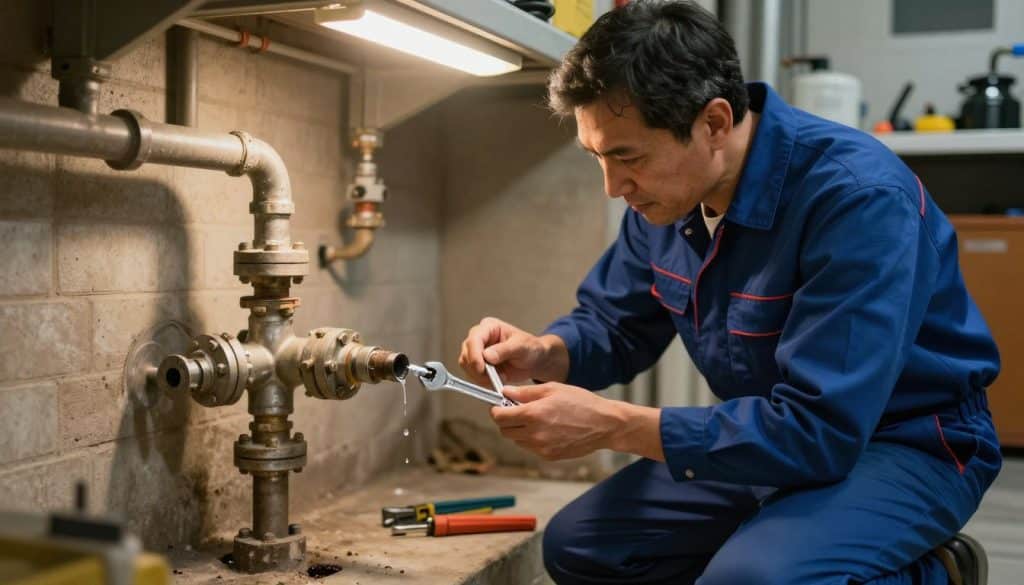
Look for a rotten-egg or sulfur odor and hissing sounds near a connection. Health symptoms include dizziness, nausea, headaches, fatigue, or trouble breathing. If anyone feels unwell, treat it as an emergency and leave the building right away.
Red flags your lines may be failing
Visible corrosion, cracks, kinks, dying plants near buried lines, rising bills, or weak appliance performance suggest the system is degrading. Small, isolated faults can sometimes be repaired, but widespread damage often points to a bigger solution.
Emergency steps and what comes next
- Evacuate immediately, then call 911.
- Once safe, report the leak to the natural gas hotline at 800-947-5000.
- After the emergency is controlled, schedule a professional inspection to decide between repair or full replacement and to plan safe, code-compliant work.
We’re available Monday–Saturday, 24 hours open to help Chicago customers. Call (773) 968-2704 for inspection and calm, clear next steps.
Tools, materials, and code-ready prep for gas pipe replacement
Before any work begins, a clear tool list and a safety plan make the job smoother and safer. We treat preparation as the first step in a code-ready, safety-first checklist for your home.
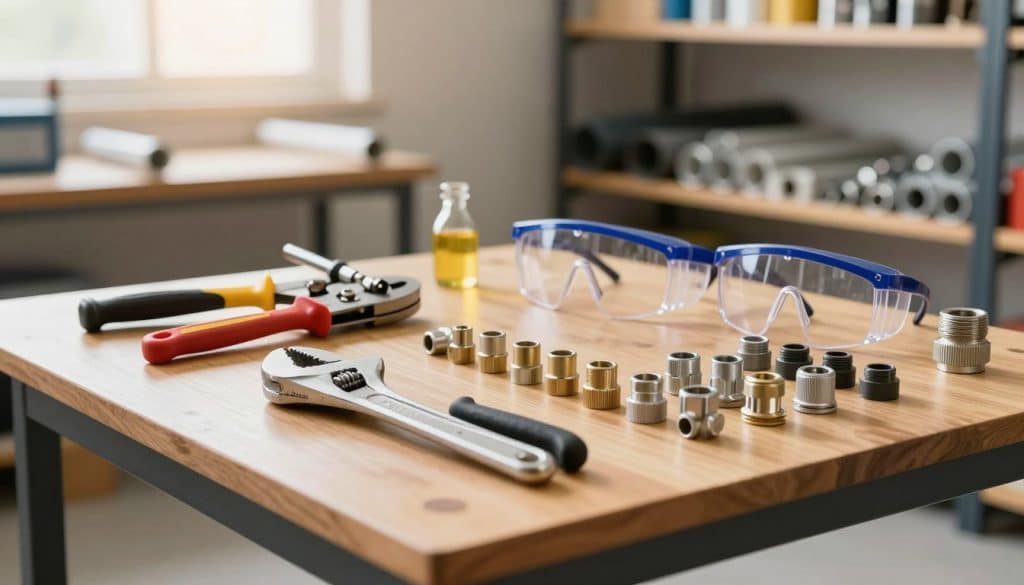
- Pipe wrenches and an adjustable wrench to avoid damaged threads.
- Pipe cutter or reciprocating saw, plus flashlight for tight spaces.
- Thread sealant—Teflon tape or pipe dope—and approved fittings.
- New gas pipe and fittings, plus leak detector solution or soapy water.
Only use approved materials—commonly black iron or CSST where allowed—and matching fittings. Mismatched parts can cause leaks and repeat service calls.
Chicago-area work often needs permits and inspection. Planning for codes and inspections up front saves time and money. If you want an expert to guide the installation and meet local codes, call us at (773) 968-2704 for service and clear answers.
Step-by-step process to replace gas pipe safely and test for leaks
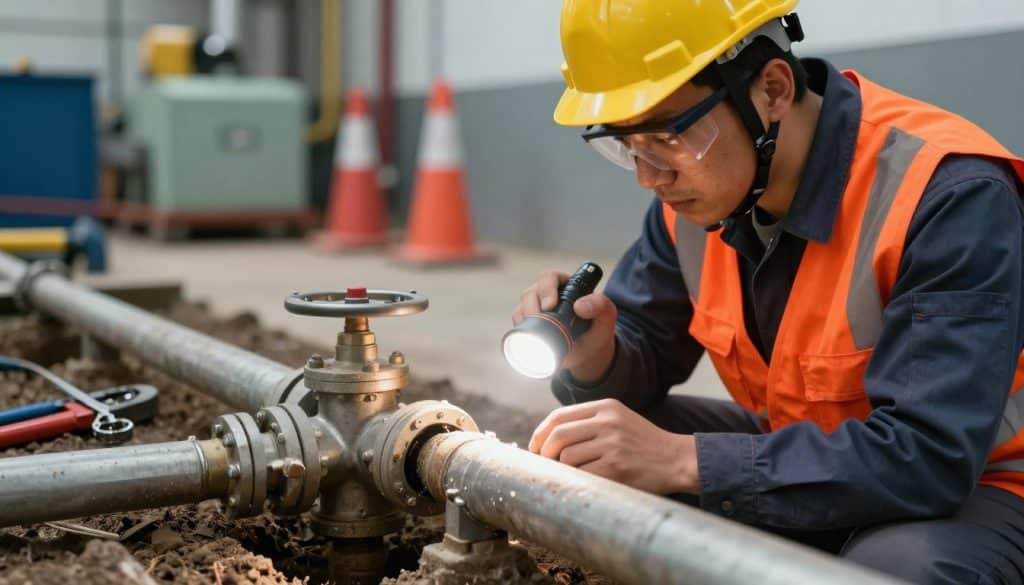
Start every job by securing the supply and airing the area so work begins only when conditions are safe. We confirm no lingering fumes before any tool touches a joint.
Remove and inspect
Remove the old section section-by-section. Check the interior for rust, debris, or contamination that can affect long-term quality.
Measure, cut, and seal
Measure twice, cut once. Apply approved thread sealant and follow manufacturer directions to prevent slow leaks.
Install and align
Align the new run so fittings carry no strain. Use two wrenches to stabilize connections and avoid over-tightening that can crack threads.
Leak testing and restore service
- Turn the supply back on slowly.
- Test every joint with detector solution or soapy water; bubbles mean re-tighten or reseal.
- Once clear, test each appliance for steady blue flame and reliable operation.
When to call professionals & cost factors
If access is tight, multiple appliances are involved, or permits and inspections apply, call our experts. Job cost depends on access, material choices, drywall or landscaping work, and permit needs.
For professional help in Chicago, IL and nearby areas, call (773) 968-2704 or email jsewerdrainplumbing@gmail.com. We’re available Monday–Saturday, 24 hours open.
Conclusion
When safety matters most, clear steps and proven service keep your home protected. We sum up: spot early warning signs, act safely, and plan work with the right pipe materials and skilled technicians.
Correct preparation, approved materials, thorough leak testing, and local code compliance create lasting results. Choose repair or replacement based on a careful inspection and long-term safety, not haste.
Save this guide for future reference when you need decision-support info for multiple units or older buildings. We treat every customer like family and focus on clear communication and quality work.
Call (773) 968-2704 or email jsewerdrainplumbing@gmail.com. Monday–Saturday, 24 hours open. Locations: 3343 N Monticello Ave, Chicago, IL 60618; 809 Ridge Rd, Wilmette, IL 60091; 3017 N Elston Ave, Chicago, IL 60618.