Have you ever wondered whether fixing a small leak now stops a disaster later? Or can plumbing repairs save me money in the long run?
Welcome to J Sewer & Drain Plumbing Inc., your trusted family-owned ally serving Chicago, IL and nearby areas. We started in 2017 as a two-generation effort, and every customer is treated like family.
Water damage is one of the most common and costly issues for a home, and a slow drip or burst pipe can become a serious emergency fast. Our team works Monday to Saturday, 24 hours open, so we respond when you need us.
We focus on practical, protective service that keeps systems reliable and safe. Small fixes—like stopping leaks, clearing drains, or adjusting pressure—often prevent larger replacements down the road. That approach reduces emergency calls, lowers utility bills, and limits risk of structural harm.
Call (773) 231-8869 or email [email protected] to schedule and feel confident in your home.
Key Takeaways
- Addressing leaks early often limits costly damage later.
- We define repairs versus replacements so choices are clear.
- Routine checks cut emergency visits and lower utility costs.
- Our family-owned team knows Chicago houses and rental needs.
- Practical maintenance protects comfort and your budget.
Why small plumbing repairs now often cost less than major replacements later
A single slow drip can quietly lead to larger system failures and costly restoration. We see how minor leaks and worn seals begin as small nuisances and then escalate. Early action keeps problems local and fixable.
Common early signs — occasional drips, slow drains, toilet refills, or pressure swings — often point to a developing issue. Left unaddressed, small faults can erode seals, corrode pipes, and invite mold or structural damage.
Early repairs typically involve fewer parts, less labor, and limited access work. That means lower cost than full replacements, which need more demolition and longer downtime for your home plumbing.
- Snowball effect: a tiny leak → pipe damage → mold or greater restoration needs.
- Practical long-run benefits: fewer emergency calls, fewer repeat problems, reduced water-damage expenses.
- Local realities: older Chicago homes and multi-unit buildings can let problems spread quickly if ignored.
We prioritize fixes that protect your home’s value and give you peace of mind. Professional diagnostics stop “band-aid” approaches and help choose the right solution at the right time for your plumbing system.
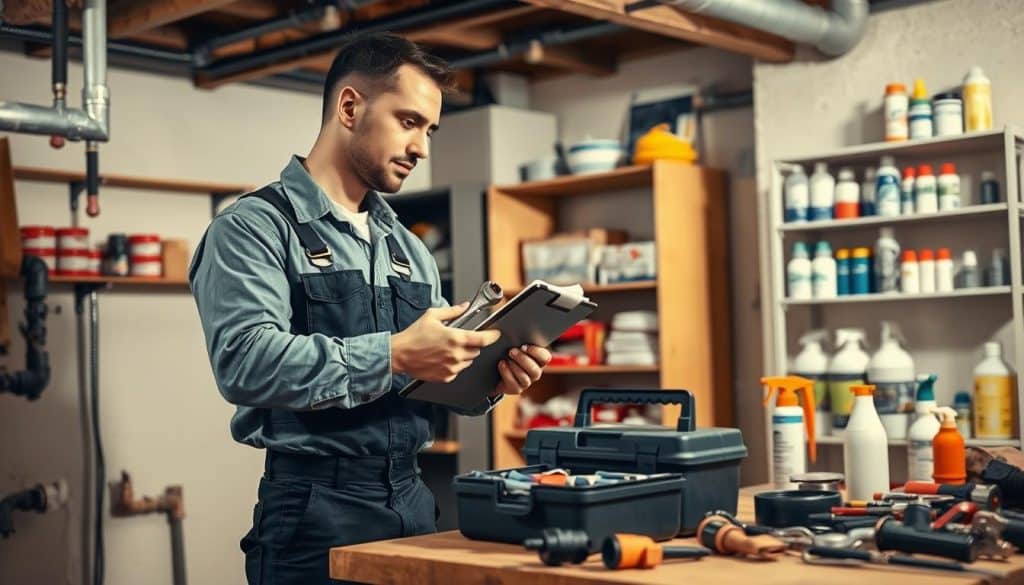
Can plumbing repairs save me money in the long run?
Small leaks and hidden drips often start as tiny annoyances, but they can grow into major expenses if left alone. Water damage from slow leaks or burst pipes can spread into cabinets, drywall, and flooring, creating large restoration bills.
We focus on stopping wasted water that raises your utility bills. Running toilets, dripping faucets, and unseen leaks quietly increase monthly bills without improving comfort. A quick diagnosis by a trusted plumber identifies the real cause and reduces wasted gallons.
Doing a repair right the first time avoids repeat service calls and extra downtime. The cheapest patch can fail, turning one problem into an emergency. Our goal is durable fixes that protect your home and your time.
- Yes — targeted work prevents water loss and larger restoration costs.
- Act early: a minor drip can become structural damage over time.
- Call us when you see persistent wet spots, sudden bill spikes, or pressure swings.
Find and fix hidden leaks before they waste water and damage your home
A steady, unseen leak can use thousands of gallons each year without obvious warning. That loss affects water use and can lead to costly damage if a small issue grows.
Common hiding spots include under sinks, behind toilets, around water heaters, dishwashers, washing machines, and inside wall cavities near supply lines. Check these zones first when you suspect a problem.
Quiet signs of trouble are musty odors, bubbling paint, warped cabinets, unexplained stains, and sudden spikes on your bill. These clues often point to hidden leaks that need attention.
Try a simple water-meter test: turn off all water inside, confirm no appliances are running, then watch the meter. If it moves, you likely have unseen water loss.
- EPA note: household leaks waste nearly 10,000 gallons per year on average, highlighting conservation and cost concerns.
- When a small leak recurs, it may signal corroded pipes, failing connections, pressure issues, or water supply line problems that need professional diagnosis.
- A professional visit pinpoints the location, confirms the cause, and recommends a repair that prevents repeat damage.
If you see active leaking near electrical areas or ceilings, shut off water and call for help promptly. We’re here to protect your home with clear, practical service.
Keep drains running smoothly to prevent clogs, backups, and emergency calls
When a sink backs up more than once, it often signals a deeper issue beyond a single clog. Repeated slow flow can mean buildup, poor venting, or a partial blockage farther down the line that affects the whole plumbing system.
Store-bought chemical cleaners may clear a spot temporarily but they can harm pipes and cause long-term damage. We recommend safer routines that protect pipes and extend system life.
Safer habits to protect pipes
Use strainers, toss grease and food scraps into the trash, and avoid harsh chemicals that weaken pipe walls.
Monthly steps to keep drains running smoothly
Try this low-cost routine: add baking soda, pour vinegar, wait 15 minutes, then rinse with hot water. For tougher clogs, use a plumber’s snake before chemicals.
- Warning signs: multiple slow fixtures or recurring backups often mean deeper plumbing problems.
- When to call us: if several drains are slow or backups return quickly, stop DIY and request professional diagnosis to prevent an emergency.
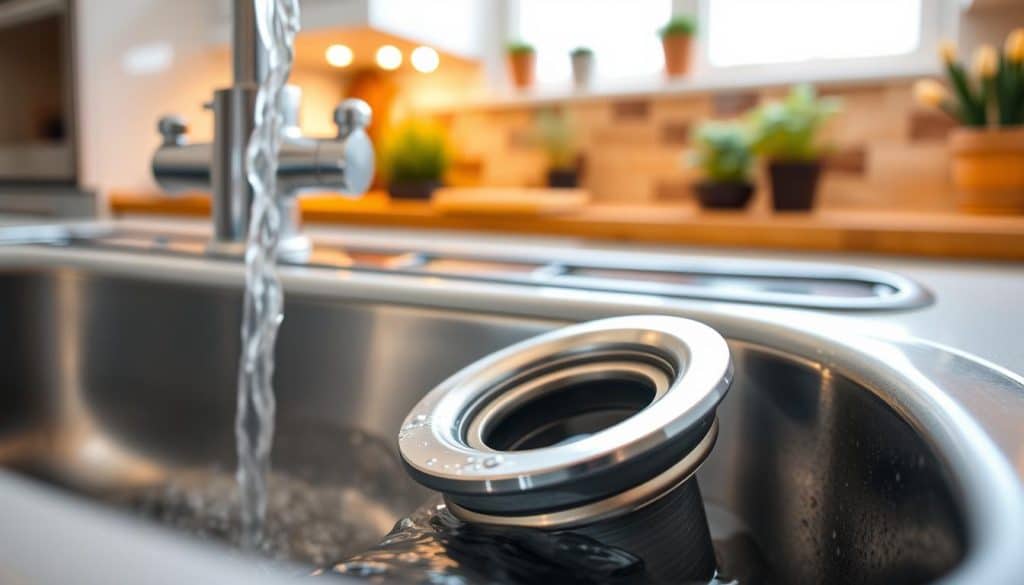
Lower utility bills by improving water efficiency and fixture performance
Improving how fixtures perform is one of the fastest ways to lower household utility bills. Small faults can waste gallons every day, and that adds up on monthly bills.
Fixing running toilets and dripping faucets
Quick fixes that stop steady loss
Running toilets often fail at the flapper seal or the fill valve. Replacing those parts restores proper flush cycles and halts constant water flow.
Dripping faucets usually need a new washer or O-ring. A short service visit prevents staining and reduces wasted gallons without changing your fixture style.
Water-saving upgrades that still perform
Modern options that feel strong
Low-flow showerheads and efficient fixtures cut water use while keeping pressure and comfort. We recommend products that preserve performance and improve overall efficiency.
- Small fixture fixes lower utility bills by stopping steady loss.
- Replace flappers, fill valves, washers, or O-rings to halt waste.
- Clean aerators to fix low pressure; persistent issues may need a professional check of pipes or supply regulators.
DIY vs hiring a professional plumber: how to choose the cost-saving path
Deciding whether to roll up your sleeves or call a pro starts with the issue’s complexity and your comfort level. We help you weigh clear factors so your choice protects your home and budget.
DIY costs to consider
Basic fixes—like swapping a toilet flapper or a faucet washer—can be reasonable DIY jobs. Still, count parts, tool rentals, and multiple store trips before assuming “free labor.”
Material examples matter: copper pipe runs about $1–$3 per linear foot, while PEX sits near $0.30–$0.82. Choosing the right material affects durability and overall cost.
Professional expenses explained
Licensed plumbers often charge hourly rates from about $45 to $200, plus base visit fees of $50–$200. Emergency calls typically carry higher pricing.
Professional diagnostics can locate hidden issues faster and reduce repeat service needs, which often lowers total cost over time.
Code compliance, permits, and time
Doing work that meets local code protects your home’s value and avoids liability at resale. Permits and inspections add upfront cost but prevent costly fixes later.
Weigh time and disruption: skilled plumbers shorten repair time, limit household interruption, and help prevent recurring problems that increase long-term expenses.
- Reasonable DIY: simple toilet parts, minor clogs, and basic faucet repairs.
- Call a pro: recurring backups, hidden leaks, supply line issues, or any job needing permits.
- Decision tip: if you expect more than one trip to the hardware store, a professional visit often becomes the smarter investment.
Build a regular maintenance plan that prevents plumbing problems
A clear, seasonal plan helps you spot problems early and keeps systems running smoothly.
Seasonal checklist: inspect for leaks under sinks, check around appliances, and protect exposed pipes before cold weather. Insulate vulnerable lines and let a faucet drip during freezes to prevent bursts.
Water heater care and efficiency
Flush your water heater yearly to reduce sediment and keep efficiency high. Keep the thermostat near 120°F for safety and better energy use. Watch for odd noises or slow heat—these are early warning signs.
Habits to keep drains and sewer lines healthy
Avoid pouring grease, wipes, or coffee grounds down drains. Use strainers and clear food waste to limit clogs. These small habits reduce backups and extend system life.
- Follow a simple regular maintenance schedule you can do or share with property managers.
- Record pressure shifts, recurring clogs, or visible leaks so diagnosis is faster if we inspect.
- Planned checks mean fewer emergencies and better peace mind for your household.
Work with a trusted local team for long-term peace of mind in Chicago, IL
Choosing the right local crew gives homeowners practical help and predictable outcomes when issues arise. We focus on clear diagnostics, durable fixes, and friendly service so you feel secure about home systems.
J Sewer & Drain Plumbing Inc.: family-owned, two-generation service since 2017
Welcome to J Sewer & Drain Plumbing Inc. We are a family-owned, two-generation team, established in 2017. Every customer is treated like family, and plumbing is our passion.
Service area and availability
We serve Chicago, IL and nearby areas. Our hours are Monday to Saturday: 24 hours Open, so homeowners can plan routine care or call when an emergency appears.
Contact and visit our locations
Call us at (773) 231-8869 or email [email protected] for scheduling or questions.
- Chicago Office: 3343 N Monticello Ave, Chicago, IL 60618
- Wilmette Office: 809 Ridge Rd, Wilmette, IL 60091
- New Location: 3017 N Elston Ave, Chicago, IL 60618
We combine professional workmanship with a caring, family-first approach. Expect clear communication, upfront expectations, and careful in-home work so you can feel confident and worry-free with the results.
Why hire a local plumber? A trusted plumber reduces repeat repairs, limits emergencies, and delivers long run savings through accurate work. We protect your property, your schedule, and your peace of mind.

Conclusion
Early action on odd wet spots or pressure changes keeps your home safe and systems steady.
Timely plumbing repairs and routine maintenance protect against water damage, stop wasted gallons that raise utility bills, and keep your system running reliably.
Preventing leaks, upgrading fixtures for efficiency, and choosing durable fixes reduce repeat calls and limit disruption to daily life.
If you notice drips, slow drains, pressure shifts, or suspect damaged pipes, act now so small issues stay small.
We’re here to help Chicago homeowners plan steady care instead of reacting to emergencies. Call J Sewer & Drain Plumbing Inc. at (773) 231-8869 or email [email protected] for honest guidance and dependable workmanship.
FAQ
Can small repairs now often cost less than major replacements later?
Yes. Fixing a worn valve, a slow leak, or a corroded fitting usually takes less time and parts than replacing a section of pipe or a fixture after damage spreads. Early action reduces labor, materials, and the risk of water damage that drives up repair costs and insurance claims.
How do minor leaks and worn parts turn into bigger system issues over time?
A tiny drip can erode joints, encourage scale and mineral buildup, and create hidden moisture that weakens drywall, framing, and insulation. That hidden damage often leads to burst pipes, mold remediation, or full fixture failure—each far costlier than the original fix.
What does long‑run savings look like for homeowners in Chicago and nearby areas?
Savings come from lower utility bills, fewer emergency calls, and extended life for water heaters, pumps, and fixtures. In Chicago’s climate, timely winterizing and routine maintenance prevent freeze damage and costly replacements, preserving value and reducing unexpected expenses.
How do repairs prevent costly water damage from slow drips, hidden leaks, and burst pipes?
Repairing leaks and replacing aging pipe sections removes the source of moisture before it soaks structural components. That protects floors, cabinets, and insulation, and avoids mold growth and the high costs of structural reconstruction.
How much can stopping water waste reduce utility bills?
Fixing running toilets and dripping faucets can cut household water waste by thousands of gallons per year. Lower consumption means direct savings on your water and sewer bills, especially in multi‑unit buildings or larger homes.
Will getting the repair done right the first time avoid repeat problems?
Yes. Professional diagnostics and quality parts reduce the chance of recurring failures. Properly sized replacements and thorough testing ensure the issue doesn’t reappear weeks later, saving you repeat service fees and disruption.
Where do hidden leaks most commonly occur?
Leaks often hide behind walls, under sinks, around water heaters, and near appliances like dishwashers and washing machines. Basements and crawl spaces also conceal slow drips that gradually cause damage.
How can I use my water meter to spot unexplained water use?
Turn off all water inside and outside, note the meter reading, wait 15–30 minutes without using any fixtures, and check the meter again. Any movement indicates a leak. It’s a simple test to catch hidden waste before damage appears.
Is it true household leaks can waste nearly 10,000 gallons per year on average?
Yes. The EPA estimates typical household leaks can waste that much water annually. Addressing leaks promptly prevents unnecessary charges on your bill and conserves a valuable resource.
When does a “small” leak signal bigger pipe or supply problems?
Repeated leaks in the same area, discolored water, low pressure, or unusual noises suggest deeper corrosion or pressure issues. Those signs warrant a full inspection to avoid larger failures.
Why do frequent clogs sometimes point to deeper system problems?
Regular blockages can indicate tree root intrusion, collapsed sewer lines, or severe buildup from improper disposal habits. These require more than a quick snaking; they need diagnostics like camera inspections to pinpoint and fix the root cause.
What safer drain maintenance habits avoid pipe damage?
Avoid pouring grease, coffee grounds, and fibrous food down drains. Use sink strainers, flush drains with hot water after use, and limit chemical drain cleaners, which can erode pipes. These habits extend pipe life and reduce service calls.
What simple monthly drain cleaning steps reduce buildup?
Run hot water, flush with a mixture of baking soda and vinegar followed by hot water, and clear strainers. For showers and tubs, brush visible hair from the drain cover regularly to prevent blockages.
How much do running toilets and dripping faucets affect water use?
A running toilet can waste hundreds of gallons per day, while a single leaking faucet can lose thousands over months. Fixing these issues quickly cuts waste and lowers both water and sewer charges.
What water‑saving upgrades still deliver strong performance?
Replacing older toilets with WaterSense models, installing low‑flow showerheads with good pressure, and upgrading aerators on faucets maintain user comfort while cutting consumption and bills.
How do water pressure issues relate to buildup or pipe restrictions?
Low or fluctuating pressure often signals mineral deposits, scale on pipes, or partial blockages. Addressing these early preserves appliance efficiency and prevents premature replacement.
What DIY costs should homeowners consider before attempting repairs?
Materials, specialized tools, tool rental fees, and your time add up. Misdiagnosis or improper repairs can cause bigger failures and higher costs than hiring a professional up front.
How are professional plumbing expenses typically structured?
Expect a combination of baseline service fees, hourly labor rates, parts, and possible emergency or weekend premiums. Transparent estimates and itemized invoices help you compare value, not just price.
Why is code compliance and permits important for repairs?
Permits and proper work protect your home’s resale value and safety. Approved repairs avoid future issues with inspections and insurance claims, and they ensure the work meets Chicago building codes.
How does professional diagnostics save time and reduce disruption?
Technicians use cameras, pressure tests, and meters to locate issues quickly. Accurate diagnosis shortens repair time, prevents unnecessary work, and minimizes household disruption.
What seasonal checklist helps prevent leaks and freeze damage?
Insulate exposed pipes, shut off and drain outdoor faucets before freezing weather, check for drafts in utility areas, and test shutoff valves. These steps reduce winter breakage and emergency repairs.
How does water heater care support efficiency and reduce breakdown risk?
Flushing the tank to remove sediment, checking the pressure relief valve, and confirming thermostat settings extend the unit’s life and keep operating costs lower.
What daily habits prevent sewer and drain issues?
Don’t flush wipes or pour grease down drains, use drain screens, and educate household members about what belongs in garbage disposals. Consistent habits prevent clogs and sewer backups.
Who is J Sewer & Drain Plumbing Inc. and what makes them a trusted local team?
J Sewer & Drain Plumbing Inc. is a family‑owned company serving Chicago and nearby areas, delivering two generations of service since 2017. We focus on transparency, skilled work, and protecting homes with professional care.
What are your service hours and contact details?
We serve Chicago, IL and nearby areas, Monday to Saturday, 24 hours open for many services. Call (773) 231-8869 or email [email protected] for appointments and emergency help.
Where are your locations?
Chicago, IL Office: 3343 N Monticello Ave, Chicago, IL 60618; Wilmette, IL Office: 809 Ridge Rd, Wilmette, IL 60091; New Location: 3017 N Elston Ave, Chicago, IL 60618.