
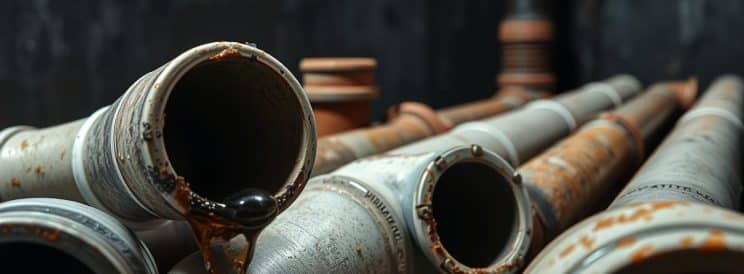
We’ll walk you through when a chemical option might be a short-term choice, when to avoid it, and safer steps to protect your home. Expect practical tips you can use right away.
As a family-owned team serving Chicago and nearby areas, J Sewer & Drain Plumbing Inc. offers clear, reassuring guidance. We work Monday–Saturday, 24 hours, and we’re ready to help homeowners and property managers choose pipe-safe solutions. Call (773) 231-8869 or email [email protected] to schedule and feel confident in your home.
Key Takeaways
- Chemical products can erode plumbing materials and weaken seals.
- Heat from reactions may warp plastic and raise leak risk.
- Repeated use increases the chance of costly failures.
- We explain safer alternatives and how to spot signs of trouble.
- For Chicago-area help, our team at J Sewer & Drain Plumbing Inc. can inspect and advise.
Why clogged drains make homeowners reach for drain cleaner
A slow sink or a bathtub that won’t clear often feels like a household emergency. We understand that standing water, odd noises, and odors push busy homeowners to seek a fast solution.
Common signs of a clog in sinks, showers, and toilets
Slow draining, pooling in the shower, and toilet water that rises but won’t pass are the most obvious signs. Gurgling sounds and foul smells from your drains often follow.
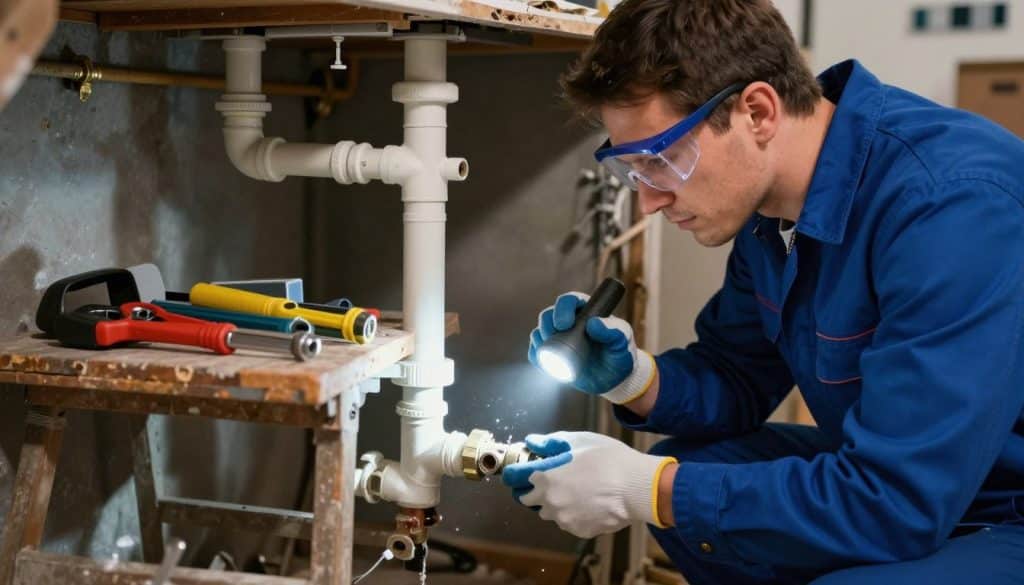
Why “quick fix” chemicals can create bigger plumbing problems
Pouring a product may clear a small clog temporarily, but it often leaves residue that traps more debris. Repeated use makes blockages harder to remove and stresses joints and seals over time.
- Slow sink draining and shower pooling
- Toilet backups and gurgling sounds
- Recurring clogs that point to deeper issues
- Temporary fixes that hide the real problem
We reassure Chicago-area homeowners and property managers: clogs happen in every home. The safest path is to understand what’s happening inside your lines before relying on cleaners as a routine fix. Next, we’ll explain the chemistry behind those products and why heat buildup matters.
Can drain cleaner damage pipes? What happens inside your plumbing system
Many commercial products break down clogs through rapid chemical reactions that release heat. These reactions target hair, grease, and other organic matter by changing their molecular structure so the blockage loosens.
How the reaction works
The active chemicals attack proteins in hair and fats in grease, turning solids into liquid or small particles that move through your plumbing system. That action is effective at removing a simple blockage, but it is an aggressive process.
Why heat matters
The reaction often produces significant heat. That heat can soften plastic, stress joints, and degrade seals over time. In metal lines, high temperatures speed corrosion and weaken fittings.
Risk from repeated use
Even when the drain seems clear, residue can cling to the inner walls. Repeated use exposes the same section to new chemical cycles and more heat events, raising the long-term risk of leaks and failures.
- Short-term solution: dissolves hair and organic matter quickly.
- Long-term concern: heat and chemicals stress materials over time.
- Outcome: small leaks, recurring slow flow, and higher repair costs.
Types of chemical drain cleaners and why they can be harsh
Not all off-the-shelf formulas act the same; their ingredients determine how aggressive they are. Below we explain the three main categories so you know what those products contain and why that matters for your home.
Caustic formulas: sodium hydroxide (lye)
Caustic options rely on sodium hydroxide to turn hair and grease into a softer mass. The reaction often produces heat, which helps break buildup but may stress certain materials over time.
Oxidizing agents: bleach, peroxides, nitrates
Oxidizers attack organic matter with chemical reactions that fragment material. These products work without strong bases, yet their byproducts and fumes deserve caution.
Acid-based products: the most reactive
Strong acids such as sulfuric or hydrochloric are highly reactive. They remove tough blockages quickly, but they are the harshest on seals and vulnerable joints.
- Look for active ingredients on the label.
- Heed warnings and wear protection when required.
- If you’re unsure of your system or clog type, pause and choose a lower-risk approach.
Which pipes are most at risk of damage
Some materials inside a home’s water lines are far more vulnerable to chemicals and heat than others. Risk depends on what your plumbing is made of, how old it is, and the condition of joints and seals.
Metal lines: corrosion and thinning
Older copper, iron, and steel lines face accelerated corrosion when exposed to aggressive cleaners and harsh compounds.
Over time, acids and strong bases may thin the wall of a metal pipe and weaken fittings. That leads to leaks and costly repairs.
PVC basics: heat effects and softening
Plastic and pvc pipes are not immune. High heat from reactions may soften or warp pvc, and glued joints can lose strength.
Warping may show as leaks at connections after repeated treatments, especially in homes with mixed materials or older work.
Joints, seals, and fittings: where failure starts
Most failures begin at joints, seals, and fittings. Even slight weakening at these spots allows leaks that harm cabinets, floors, and drywall.
- Risk varies by materials, age, and prior repairs.
- Hidden leaks create mold and structural problems over time.
- In older Chicago properties, mixed systems need extra caution.
Next: toilets present special risks when products sit in standing water and react unpredictably.
Why chemical drain products can be especially dangerous in toilets
Toilets hold standing water that lets a poured solution linger, raising risks that differ from sinks and showers.
How a solution sitting in the bowl harms porcelain
When a liquid sits against the bowl surface, its active ingredients stay in contact with the finish. Prolonged exposure may dull or erode the glaze, and that cosmetic change can become functional over time.
Heat, cracking, and violent reactions under water
Some products produce heat as they act. Built-up heat can stress ceramic and increase the chance of cracking. A violent reaction under water is also possible, which is dangerous for anyone nearby.
Safer first steps and why we advise caution
Many toilet clogs are mechanical — paper or foreign objects — and liquids rarely fix them. Try a proper plunger technique, and stop if the clog won’t budge.
- If that fails, use a snake or call a professional rather than pouring harsh liquids into your toilet.
- Avoid routine use of aggressive products to help prevent long-term damage to your home and family.
Health, home, and environmental risks to consider before you pour
Using strong products indoors introduces hazards that affect your family, not just your fixtures. We want to protect your household and neighborhood, so safety is our first priority.
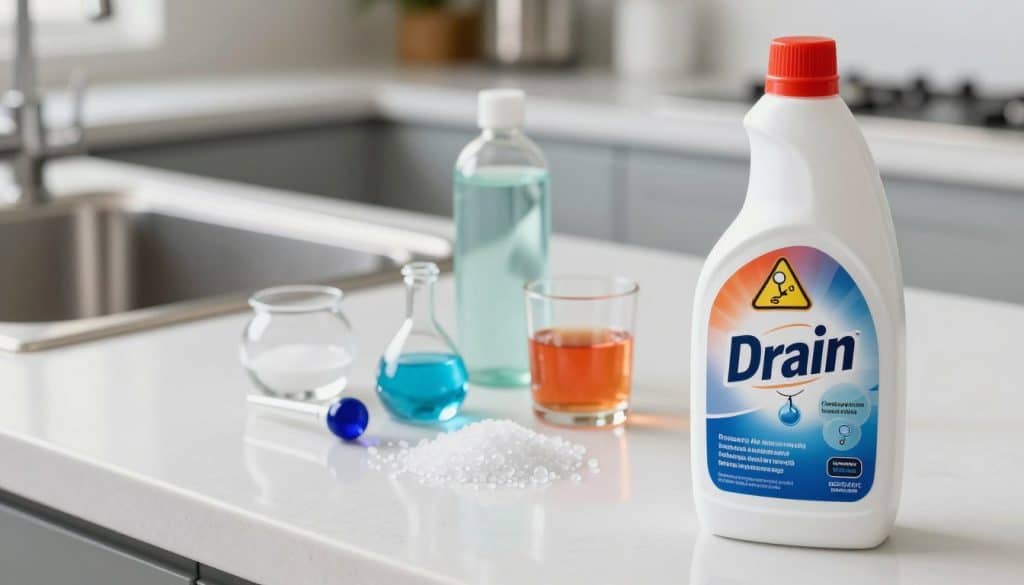
Toxic fumes and dangerous reactions when chemicals are mixed
Mixing chemicals may produce noxious gases very quickly. If another product is already in the line, reactions may become violent and create airborne hazards for anyone nearby.
Skin and eye burns from splashes and residue
Direct contact with strong cleaners leads to rapid burns. Splashes while pouring, or blowback when water is added too soon, are common injury paths. Wear eye protection and gloves if you must use a product.
Water contamination concerns and a safer disposal mindset
What goes down your drain changes local water and waste systems. Improper disposal may harm the environment and create a long-term water problem for your neighborhood.
- Do not mix products.
- Follow label disposal instructions.
- Choose non-chemical options first.
We offer this safety-first guidance from our family to yours. Next, we’ll explain when a chemical drain approach might be appropriate—and how to limit risk if used.
When a chemical drain cleaner might be used—and how to reduce risk
Deciding whether to pour a product takes a careful look at the clog, your system, and recent repairs. We recommend safer steps first and use chemicals only when the situation is clear and limited.
When it may help
Simple, near-opening obstructions—minor hair or soap buildup in a sink or shower with visible, shallow blockage. Use the smallest effective amount and follow label directions.
When to avoid
Avoid chemical drain cleaners if your home has unknown or older plumbing, visible corrosion, prior repairs, or if the blockage is persistent. These conditions raise the risk of costly failures.
Risky habits and what slow drains mean
- Frequent treatments, overpouring, mixing products, or using chemicals as routine maintenance raise long-term risk.
- Slow drains often point to deeper blockages, grease buildup farther in the system, or venting and structural issues.
If a product fails once, repeating it usually worsens wear without improving results. At that point, switch to mechanical tools or call us. We’ll help Chicago homeowners choose the safest path for their plumbing system.
Safer alternatives for drain cleaning without damaging pipes
For many common household blockages, simple tools and mild treatments restore flow without risk. We recommend a pipe-first mindset: choose alternatives that remove or gently break down buildup instead of harsh chemical solutions.
Mechanical options: plunger techniques and when they work best
A plunger often solves localized clogs in sinks and showers. Use steady, controlled thrusts to avoid splashing, and seal the overflow if possible to direct pressure into the line.
Drain snakes and augers: breaking up blockages safely
Manual snakes and small augers reach farther than a plunger and break up blockages without corrosive reactions. Drain snakes are ideal when the obstruction is mechanical or within reach; stop if you meet strong resistance.
Enzyme-based cleaners for organic matter
Enzyme solutions digest organic matter slowly and are gentler on PVC pipes and metal. They take longer to work but reduce risk compared with harsh products.
Home method: baking soda, vinegar, and hot water
Baking soda plus vinegar followed by hot water can clear minor clogs. It’s a short-term option for light blockages, but persistent problems need a pro. If multiple fixtures back up or issues recur, call us for professional cleaning that addresses root causes.

Conclusion
Key takeaway: A tempting, quick pour may harm metal and plastic by causing corrosion, heat stress, and weakened joints. Repeated use often makes a small problem worse instead of fixing it.
Start with gentle, mechanical options and enzyme-based approaches. Treat recurring issues as a sign to investigate the root cause rather than rely on harsh products. Protecting your pipes protects your home from leaks and costly repairs.
For a safe, professional solution, call J Sewer & Drain Plumbing Inc. We are a family-owned, two-generation team established in 2017 that treats every customer like family.
Contact us: (773) 231-8869 • [email protected]. Offices: 3343 N Monticello Ave, 3017 N Elston Ave, Chicago, IL; 809 Ridge Rd, Wilmette, IL. Monday–Saturday, 24 hours Open. Serving Chicago, IL and nearby areas for trusted plumbing service and fast help before a small drain problem becomes a major repair.
FAQ
Can drain cleaner damage pipes?
Yes, chemical cleaners can harm plumbing when used incorrectly. Strong caustics, acids, or oxidizers generate heat and corrosive byproducts that attack metal, soften plastic, and weaken seals. Repeated treatments increase the chance of hairline cracks, warped joints, and leaks, especially in older systems.
Why do homeowners reach for chemical products when a blockage appears?
Many people choose a chemical solution because it promises a fast fix for sinks, tubs, or toilets. Visible slowdowns, standing water, gurgling sounds, or foul odors make the quick-pour option appealing. However, speed can come at the cost of long-term system health.
What signs show a clog in sinks, showers, or toilets?
Common signs include slow draining, backups, unusual noises in pipes, recurring odors, and frequent need for plunging. These clues suggest hair, soap scum, grease, or debris buildup that may need proper mechanical cleaning rather than repeated chemicals.
How do chemical reactions inside the drain break down hair, grease, and organic matter?
Caustic chemicals like sodium hydroxide saponify grease—turning fats into soap and glycerol—and break peptide bonds in hair. Oxidizers release oxygen radicals that degrade organic material. These reactions generate heat and byproducts that can be harsh on surrounding materials.
Why is heat buildup a major reason pipes and seals get damaged?
Exothermic reactions raise local temperatures rapidly. Heat can warp PVC, soften rubber seals, and accelerate corrosion in metal lines. That thermal stress shortens component life and creates paths for leaks.
Does repeated use of chemical products increase the risk of pipe problems?
Yes. Frequent applications compound wear on pipe walls and joints. Small weaknesses grow into cracks or pinholes, and residue can trap debris, creating recurring clogs that prompt even more treatment.
What types of chemical products are commonly sold for clearing blockages?
Retail formulas include caustic cleaners (sodium hydroxide), oxidizing products (bleach, peroxides, nitrates), and strong acids. Each works differently and carries varying risks to materials and people.
How do caustic products like sodium hydroxide break down grease?
Sodium hydroxide reacts with fats to form soap and glycerol (saponification). That helps dissolve greasy buildup, but the process also generates heat and can leave corrosive residues behind.
What risks come with oxidizing cleaners that use bleach or peroxides?
Oxidizers can release harmful fumes and react violently if mixed with other household chemicals. They may also oxidize metal pipes over time, weakening plumbing and producing hazardous byproducts.
Why are acid-based products considered the most aggressive?
Strong acids dissolve organic matter quickly and can remove mineral scale, but they also aggressively corrode metals, etch porcelain, and damage plastics and rubber components when misapplied.
Which materials are most vulnerable to chemical treatments?
Older iron and galvanized lines corrode faster, copper can pit, and PVC may soften or deform from heat. Rubber gaskets and threaded joints are common failure points where leaks begin after chemical exposure.
How can chemical products be especially hazardous in toilets?
Toilet bowls can hold liquid cleaners in one spot, allowing concentrated chemicals to sit against porcelain and seals. Heat and trapped fumes increase the chance of cracking, seal damage, or violent reactions if water or other chemicals are added.
What health and environmental risks should homeowners consider before pouring chemicals?
Risks include toxic fumes, dangerous reactions when products are mixed, burns from splashes, and contamination of wastewater. Improper disposal can harm septic systems and local waterways.
When might a chemical product be acceptable to use, and how can you reduce risk?
For minor hair or soap buildup in modern, known-material lines, a single, careful application may help. Reduce risk by following label directions, avoiding mixing products, ventilating the area, wearing protection, and flushing thoroughly with water afterward.
When should you avoid using household chemicals and call a pro instead?
Avoid pouring chemicals when pipe material is unknown, plumbing is old, clogs persist after one attempt, or multiple fixtures are affected. In those cases, professional inspection and mechanical cleaning are safer and more effective.
What household habits raise the chance of needing harsh treatments?
Pouring grease down kitchen drains, letting hair accumulate in shower drains, frequent use of “maintenance” products, and overpouring store formulas all increase buildup and long-term damage risk.
What do slow drains usually indicate about the underlying problem?
Slow flow often signals partial blockages, trapped grease, mineral buildup, or venting issues. These need diagnosis; surface treatments sometimes mask deeper sewer or vent problems.
What mechanical alternatives work well without risking material harm?
Plungers, hand snakes, and augers remove blockages without corrosive chemicals. A plumber’s motorized snake or hydro-jetting handles tougher obstructions safely when performed by a trained technician.
Are enzyme-based cleaners a safer option?
Yes. Enzyme and bacteria formulas target organic matter slowly and pose less risk to pipes, seals, and the environment. They’re best for routine maintenance and minor soft blockages.
Do home remedies like baking soda and vinegar help?
A baking soda and vinegar rinse, followed by hot water, can dislodge light soap or grease buildup. It’s mild and generally safe for most materials, but it won’t clear serious or deep clogs.
When should we, J Sewer & Drain Plumbing Inc., be called for service?
Contact us if you face recurring backups, multiple slow fixtures, foul sewer odors, visible leaks, or if a chemical attempt didn’t solve the problem. We offer safe inspections, camera diagnostics, and mechanical cleaning across Chicago and nearby areas.