Could a small clog today become a health and repair crisis by tomorrow? What causes sewage backups in homes?
We answer that directly: a sewer backup happens when wastewater cannot flow out and reverses into your home. This event is urgent and disruptive, and it demands the right next steps to protect your family and property.
We are J Sewer & Drain Plumbing Inc., a family-owned, two-generation Chicago team since 2017. Every customer is treated like family. We serve Chicago, IL and nearby areas, and we are available Monday to Saturday — 24 hours Open.
Ignoring early signs often leads to expensive emergency repairs, foul odors, and contamination of floors, walls, or furniture. If water is coming back into your house, call us at (773) 231-8869 for urgent help, or email [email protected] for scheduling.
Visit our offices: Locations: 3343 N Monticello Ave, 3017 N Elston Ave, Chicago, IL; 809 Ridge Rd, Wilmette, IL.
Key Takeaways
- Sewer backup is an urgent risk that needs immediate action to protect health and property.
- We explain how a backup happens in plain language so you know the right steps.
- J Sewer & Drain Plumbing Inc. is local, family-owned, and available Monday–Saturday, 24 hours open.
- Call (773) 231-8869 for emergencies and email [email protected] for non-urgent questions.
- Early attention limits damage and expense, so act quickly when you notice signs.
Understanding sewage backups and why they’re a serious home plumbing issue
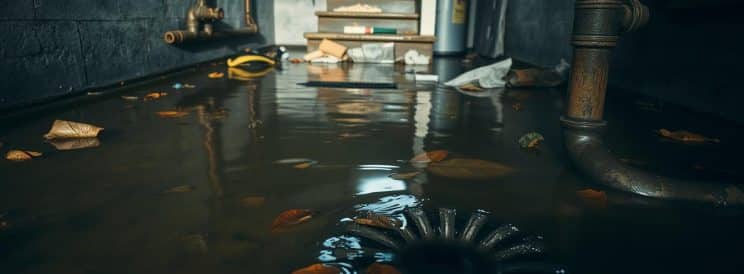
When wastewater reverses and enters living areas, the problem quickly becomes more than a plumbing annoyance. A backup happens when waste cannot flow away through the municipal or private sewer system and returns through toilets, tubs, sinks, or the lowest floor drain.
Typical pathways include toilets, shower drains, kitchen sinks, and floor drains. Check the lowest fixtures first — they show the earliest signs of reverse flow.
Property damage is real: porous materials absorb contaminated water, so carpets, drywall, and furniture can require professional sanitation or replacement. The longer waste sits, the greater the odor saturation, structural harm, and repair scope.
Health risks come from bacteria and viruses carried by contaminated water and the mold that grows when moisture remains. For safety, avoid contact, limit exposure, and plan for professional help rather than DIY fixes.
- Rapid action limits property damage and long-term mold.
- Main-line system failures often cause whole-house incidents, not just local clogs.
- Professional assessment protects your family and restores safe flow.
What causes sewage backups in homes?
Small blockages often start quietly, then turn into major plumbing trouble if left alone. We list the most common triggers first so you can spot likely issues fast and act with confidence.
Clogged pipes form when grease cools and hardens, wipes that don’t break down, hair, and soap scum narrow a drain until normal water flow stops. These are the everyday problems we see most.
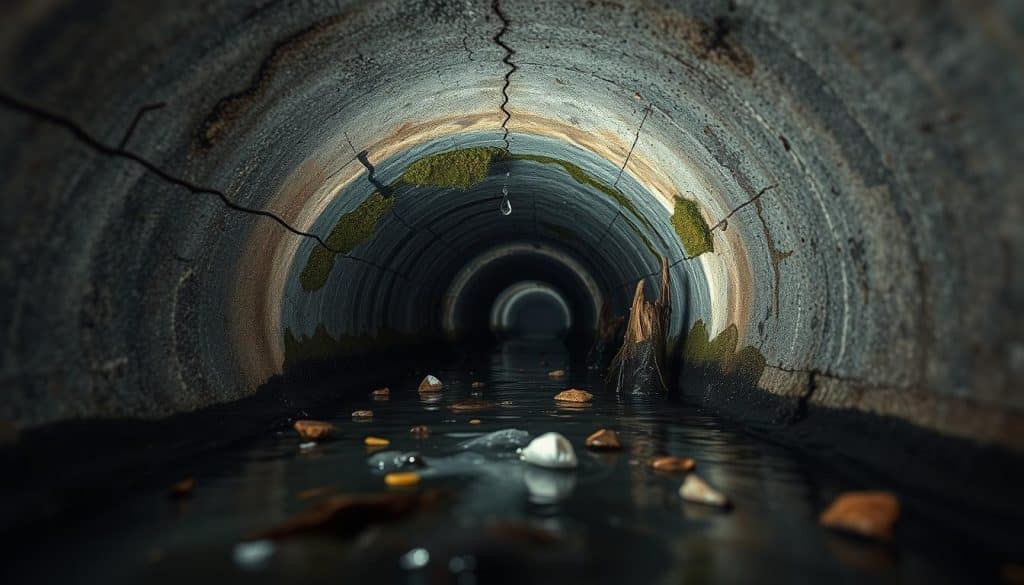
Tree roots seek moisture, enter tiny cracks in a sewer line, and expand into dense blockages that cause repeated trouble.
- Aging pipe: corrosion, shifting soil, misaligned joints, or collapse can break a system over time.
- Weather events: heavy rain and flooding can overwhelm the municipal sewer system and push wastewater back toward properties.
- Improper connections: sump pumps or downspouts tied into the sewer line add extra load and raise risk.
Broken pipes from construction or ground movement act like sudden obstructions, and city-side sewer failures can send flow the wrong way even when your own plumbing is fine.
Warning signs your sewer line or drains are backing up
Early warning sounds and slow drains often show a line problem before visible water appears. Notice these signs and act quickly to limit damage and cost.
Slow drains across sinks, tubs, showers, or toilets suggest a partial restriction. If more than one fixture drains slowly, the issue may be beyond a single trap.
Gurgling noises and bubbling
Gurgles or bubbles in fixtures mean trapped air is moving through the plumbing system. That often signals wastewater struggling to pass a clogged line.
Persistent odors near drains or floor drains
Smelly, recurring odors are a reliable sign of buildup or poor venting. Don’t ignore smells that linger after cleaning.
Active water return and yard clues
Wastewater coming up through fixtures or a wet floor drain is an immediate problem—call for help right away.
Outside, bright green patches, damp soil, sinkholes, or standing water can point to a broken pipe underground.
- Multiple clogs at once usually indicate a main line issue, not a single drain clog.
- Recognizing these signs early reduces repair time and cleanup scope.
How to pinpoint whether the backup is in your home or the city sewer system
A quick check of which fixtures show trouble tells us whether the issue sits inside your property line or farther down the municipal main. Start by noting where the return appears and whether neighbors report similar trouble after rain.
Single-fixture vs. whole-house signals
If only one sink or toilet is slow or overflows, the backup often stays local. That points to a clogged trap or branch line that a plumber can fix.
When multiple drains fail or the lowest fixtures flood, the main line or a public sewer line is likely blocked. The “lowest fixture wins” rule explains why basements and floor drains show first when flow cannot exit.
When heavy rain suggests public-system overload
After heavy rain, widespread problems usually mean the municipal systems are surcharged. If neighbors have the same symptoms, contact the municipality.
Who to call first: plumber or city?
- Call a plumber for isolated, probable private-line issues and quick diagnostics.
- Contact the municipality when multiple properties are affected or storm-driven surging sends sewage back into many properties.
What to do immediately when sewage backs up in your home
A backup can escalate fast; quick steps now limit water spread and property harm. First, stop all water use. No flushing, no showers, no laundry. Every added drop increases waste and raises the risk of greater damage.
Next, check the lowest drains and the floor drain first to see where standing water appears. The lowest fixtures show how far flooding has spread and help you describe the problem when you call for help.
Avoid chemical cleaning products. Harsh drain cleaners rarely clear major blockages and can harm pipes or create hazards for a plumber working later.
Protect your family and property while you wait. Keep kids and pets away from contaminated water, ventilate if safe, and limit traffic through affected areas to reduce further damage and mold risk.
- Stop water use immediately to prevent more waste from spreading.
- Check lowest drains and floor areas to gauge flooding and contain the issue.
- Do not use chemical cleaners; they can harm pipes and waste time.
- Avoid contact with contaminated water to protect health and limit property loss.
If multiple drains are affected or sewage is actively rising, call a professional right away. We’re here to help Chicago, IL and nearby areas—call J Sewer & Drain Plumbing Inc. at (773) 231-8869 (Monday to Saturday: 24 hours Open) or email [email protected]. Prompt service saves time and reduces repair costs.
How professional plumbers find the root cause fast
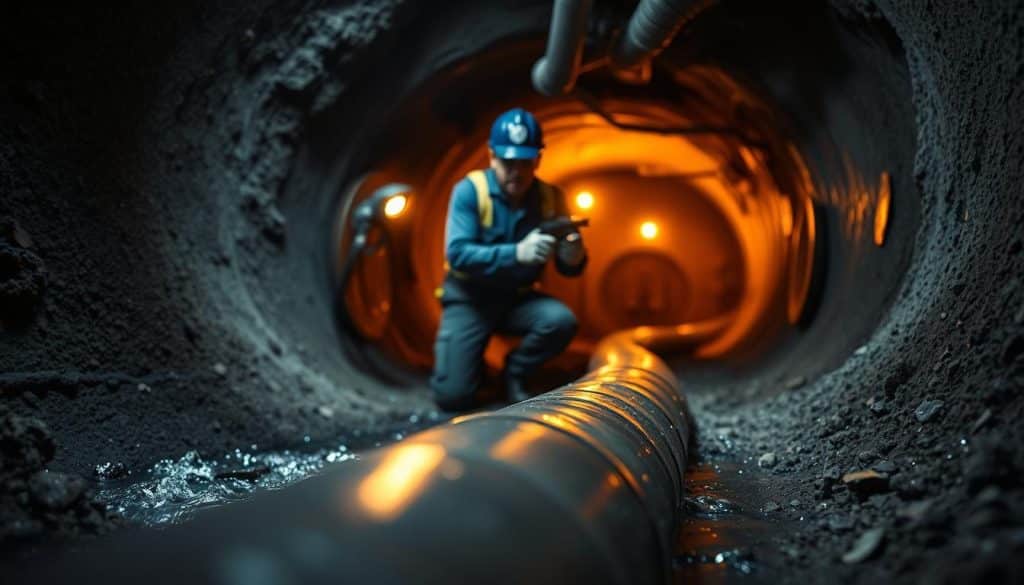
A clear view inside the pipe removes uncertainty and points the repair team to the right solution. We use proven tools to locate the exact problem so repairs are faster and less invasive for your property.
Drain and sewer camera inspection
Technicians feed a flexible camera into the sewer line to record video of the interior. That visual check shows clogs, tree root intrusion, offsets, and broken pipes without guessing.
Seeing the issue helps us pick the safest clearing method and avoids needless digging or repeat visits.
Testing and isolating sections of the system
We also test and isolate sections of the plumbing system to confirm whether the problem sits in a branch, the main line, or near your property connection.
- Faster answers: focused inspection gives a clear repair plan.
- Less disruption: accurate location reduces excavation and cost.
- Long-term fix: diagnosis guides whether clearing, repair, or replacement prevents repeat problems.
Our goal is simple: protect your home, restore reliable flow, and prevent the same problem from returning to your areas. Call us when you need clear, professional diagnosis and repair.
How to prevent sewer line backups with routine maintenance
A few routine habits keep your sewer line working and your basement dry. Prevention costs far less than emergency repair and gives you steady peace of mind.
Smart habits: what not to flush or pour down drains
Don’t pour grease down the sink. Let it cool and toss it in the trash instead.
Avoid flushing wipes, feminine products, and other non-degradable items. These materials build up and slow water flow.
Routine drain cleaning to reduce grease and debris buildup
Schedule light cleaning every 6–12 months to remove grime that narrows pipes. Regular service keeps drains moving and helps spot weak spots early.
Root control when trees sit near your line
Have us inspect lines near trees. Early root pruning or targeted treatments prevents intrusive roots from creating blockages.
Repairing or replacing aging pipe before collapse
Older line materials and shifting soil raise risk over time. Proactive repair or replacement avoids sudden failure and costly property damage.
- Smart use habits reduce common causes of clogs.
- Routine maintenance keeps flow steady and limits surprises.
- Inspections spot root intrusion and aging pipe before they fail.
Combined with periodic inspections, these steps cut the chance of backups and improve your system’s lifespan. For many Chicago properties, adding backflow protection is a sensible next upgrade to layer defense and reduce potential damage.
Backflow protection and upgrades that reduce future backup damage
A backflow device gives you a reliable stop-gap when public systems get overwhelmed by heavy rain. It sits near the property connection and acts like a one-way portal for waste flow.
How a sewer backflow valve works to stop reverse flow during system overload
The valve opens for normal flow and closes when pressure pushes the wrong way. That closing action prevents sewage and storm water from re-entering lower levels, especially floor drains and basements.
When backflow preventers make the most sense for Chicago-area homes
Good candidates include older properties, houses with basement plumbing, and areas that have seen rain-driven flooding before. Installing a backflow preventer reduces repair scope and limits contamination of the lowest floors.
- Added layer: a valve does not replace routine maintenance, it complements it.
- Targeted benefit: protects floor drains where damage starts first.
- Smart investment: helps prevent costly water and structural damage when the municipal system surges.
Conclusion
A timely response keeps a minor drain issue from turning into major property damage.
Summary: a sewer event can start small and spread fast. Common signs, simple triage, and quick action limit harm to your property and reduce long-term damage.
Stop water, check the lowest drains, and avoid harsh cleaners; these steps buy you valuable time. If multiple fixtures show trouble, call for professional plumbing help right away.
Professional diagnosis, like a camera inspection of the line and system, saves time and cuts guesswork. That approach protects your home and lowers the chance of repeat problems.
Prevention wins: smart drain habits, routine cleaning, root control, and planning for aging lines reduce the odds of another sewage incident. Consider a backflow device where flooding or overload is a known risk.
We’re J Sewer & Drain Plumbing Inc. Family-owned since 2017, two-generation care, and we treat every customer like family. Call (773) 231-8869 (Monday–Saturday: 24-hour open) or email [email protected]. Offices: 3343 N Monticello Ave, Chicago, IL 60618; 809 Ridge Rd, Wilmette, IL 60091; 3017 N Elston Ave, Chicago, IL 60618.
FAQ
What is a sewer backup and how does wastewater end up back in your home?
A sewer backup happens when waste or wastewater flows the wrong way and enters living spaces. Blocked or damaged lines, overloaded municipal systems, or improper connections can stop normal flow and force water back through floor drains, toilets, and fixtures.
What kinds of property damage and cleanup issues should I expect if sewage reaches floors, walls, or furniture?
Contaminated water can ruin drywall, flooring, insulation, and personal items. It also soaks subfloors and can warp wood or delaminate laminate. Prompt professional cleanup limits structural harm and reduces long-term repair costs.
What health risks come from contaminated water and how does mold factor in?
Sewage carries bacteria, viruses, and parasites that pose immediate health hazards. Moisture left behind promotes mold growth within 24–48 hours, worsening air quality and triggering allergic or respiratory reactions.
What household clogs commonly restrict water flow and lead to backups?
Grease, wet wipes, paper towels, hair, soap scum, and accumulated debris create stubborn blockages in kitchen and bathroom drains, slowly reducing capacity until a backup occurs.
How do tree roots get into sewer lines and why are they a problem?
Roots seek water and can enter small pipe cracks or joints. Once inside, they expand and tangle with waste, causing severe blockages, pipe fractures, and recurring backups.
How does pipe age, corrosion, or collapse cause backups?
Older materials like clay, cast iron, or early plastics deteriorate, shift, or crumble over time. That creates gaps, misalignment, or pinch points that trap debris and stop flow, eventually causing overflow into the home.
Can heavy rain or flooding force sewage into a home?
Yes. During heavy storms, municipal systems can surcharge and push water back through private laterals. Basement flooding often follows when public infrastructure is overwhelmed.
How do improper connections like sump pumps or downspouts affect the sewer line?
Tying foundation drainage, sump pumps, or roof downspouts into the sanitary sewer increases volume and stress on the line. That can overload pipes designed for wastewater only, contributing to backups.
What warning signs indicate a sewer line or drains are backing up?
Watch for slow draining sinks, tubs, and toilets, gurgling or bubbling sounds, persistent sewage odors, wastewater emerging from floor drains or fixtures, multiple clogs at once, or unusual wet spots and sinkholes in the yard.
How can I tell if the problem is one fixture or the whole house?
A single slow or clogged fixture usually points to a localized blockage. If multiple drains or the lowest fixture back up together, the main sewer line or the public system is likely involved.
When does heavy rain indicate a municipal sewer issue rather than a private line problem?
If backups start during or immediately after storms across multiple nearby homes or coincide with city alerts, the public system is often overloaded. Your municipality should be contacted when community-wide issues appear.
Should I call the city or a plumber first when a backup happens?
If multiple homes are affected or there’s visible street flooding, call the city first. For single-home blockages, especially persistent or recurring, call a licensed plumber like J Sewer & Drain Plumbing Inc. to diagnose and repair the private lateral.
What immediate steps should I take when wastewater appears in my home?
Stop using water to limit more inflow, check lowest drains to assess spread, and avoid stepping into contaminated water. Call a professional quickly and keep children and pets away from affected areas.
Are chemical drain cleaners safe to use during a backup?
No. Harsh chemicals can damage pipes, harm technicians, and often fail to clear deep or root-related blockages. We advise avoiding DIY chemicals and calling a plumber for safe, effective solutions.
How do plumbers locate the root cause of a backup quickly?
Professionals use drain and sewer camera inspections to see blockages, roots, and breaks inside the pipe. They also perform flow tests and isolate sections to determine whether the issue is on private property or in the public system.
What routine maintenance helps prevent line failures and backups?
Regular drain cleaning, avoiding grease and non-flushable items, scheduled camera inspections for aging lines, and root treatment when trees are nearby all reduce the chance of future problems.
What are effective root-control strategies when trees are close to sewer lines?
Mechanical root cutting combined with targeted herbicide treatments and replacing damaged pipes with root-resistant materials helps. In some cases relocating a tree or its root zone is a practical long-term fix.
When should a sewer line be repaired or replaced before it collapses?
Consider repair or replacement if camera inspection shows repeated breaks, severe corrosion, shifting joints, or frequent backups. Proactive replacement can prevent emergency repairs and water damage.
How does a sewer backflow valve work to stop reverse flow?
A backflow valve sits in the building lateral and closes automatically when flow reverses, preventing sewage from entering the home during municipal overloads. It’s a mechanical barrier that protects low-level fixtures.
Are backflow preventers a good option for Chicago-area homes?
For many Chicago homes prone to basement backups or located in flood-prone neighborhoods, backflow preventers provide valuable protection. We evaluate property risk and recommend the right device and installation for your situation.
Who should I contact for inspection, repair, or installation of backflow devices?
Contact a licensed, insured plumbing professional. For residents of Chicago and nearby suburbs, J Sewer & Drain Plumbing Inc. provides camera inspections, repairs, and backflow valve installation with transparent estimates and experienced service.