When your main line shows trouble, the debate over relining sewer pipe vs replacement raises the question: should you patch it from the inside or dig up and put in new sections? That question sits at the heart of every homeowner’s choice in Chicago.
We explain both paths in plain language, showing how each affects your plumbing, home schedule, cost, and long-term value. Our goal is to help you pick the right solution, not push a quick fix.
As a family-owned, two-generation company serving Chicago and nearby areas since 2017, J Sewer & Drain Plumbing Inc. treats every customer like family. We work across the city, from Monticello to Wilmette and our new Elston location, and we are here Monday–Saturday, 24 hours.
In the sections that follow, we map damage severity, access limits, total costs, timeline, and impact on your property and system. Save our number—(773) 231-8869—and reach out when a sudden issue needs clear, caring guidance.
Key Takeaways
- Both methods are valid; the right choice depends on condition, access, and budget.
- Internal repair minimizes disruption and can save time on restoration.
- Full replacement may be necessary for severe damage or collapsed sections.
- Consider total costs: work, restoration, and future maintenance on your property.
- We provide transparent guidance and 24-hour support, so you can decide with confidence.
Why This Choice Matters for Chicago Sewer Lines Right Now
Aging lines and shifting soils in Chicago mean the decision you make today affects tomorrow’s comfort. Many properties in the city face cumulative wear from older materials, seasonal freeze-thaw, and movement in the ground over the years.
Common causes of damage include corrosion, general wear, and tree root intrusion. Roots seek moisture and can wedge into small cracks, turning minor clogs into major issues quickly.
What’s at stake goes beyond a slow drain. Left unchecked, these problems can cause backups into living spaces, repeated service calls, and heavy disruption to your daily routine. We advise inspection-first decisions so you don’t guess at the root cause.
- Why now: older materials + seasonal stress = more failures.
- Common causes: corrosion, wear, and intrusive roots.
- What we protect: your property, system reliability, and daily routine.
We treat each call with care, offering clear next steps and responsive service across Chicago, Monday–Saturday, 24 hours, to help you choose what your home truly needs.
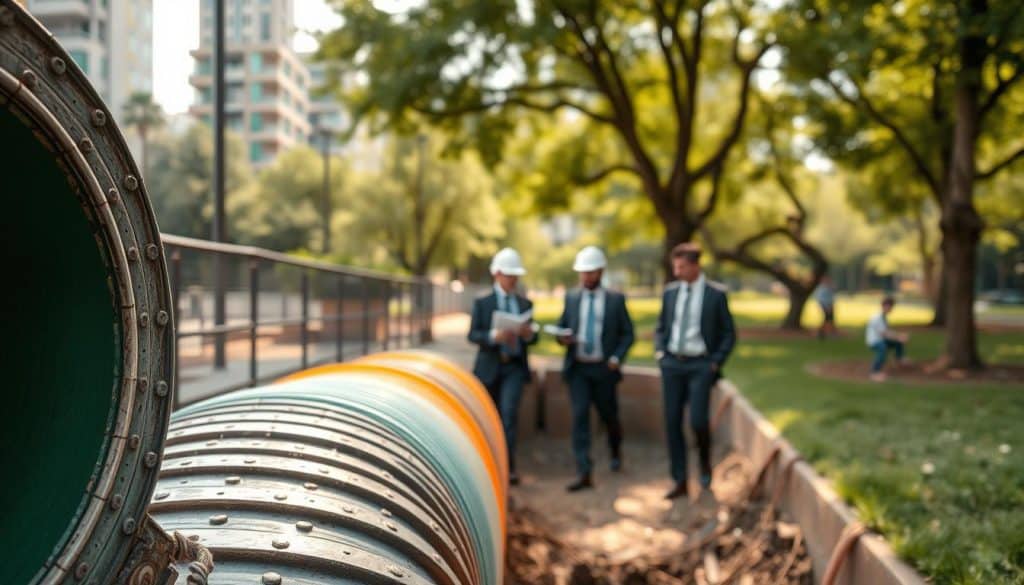
Relining sewer pipe vs replacement: Quick Comparison of Both Methods
We give a short, clear comparison so you can see what each method does and why one might suit your home better.
What pipe relining is
Pipe relining is a repair method that installs a resin-impregnated liner inside the existing pipe to form a seamless, durable new interior. The liner cures in place and restores flow with minimal digging. This approach keeps surface disruption low and shortens project time for many common defects.
What full pipe replacement is
Pipe replacement removes the damaged section and installs new material along the route. That usually requires excavation, trenching, and site restoration. It’s a complete overhaul and often chosen when structural collapse or widespread failure exists.
How to choose based on the condition
Condition drives the decision: if the original pipe holds shape and alignment, relining can be a smart repair method. If it’s collapsed, badly offset, or crumbling, full replacement is often the safer long-term choice.
- Less disruption: relining preserves landscaping and hardscape.
- Full renewal: replacement gives a new, predictable system.
- Access matters: narrow yards, alleyways, and basements in Chicago can make the disruption factor decisive.
How Sewer Pipe Relining Works
Below, we detail the careful, on-site workflow that protects your home and restores flow quickly.
1. Camera inspection. We begin with CCTV drain cameras to map alignment and locate the exact area needing attention. This video step helps us avoid unnecessary work and explains findings clearly to you.
2. Cleaning and prep. Technicians remove debris, clogs, and root intrusion so the new liner can bond to a clean surface. Proper prep prevents future blockages and helps the repair last.
3. Liner installation. A resin-impregnated liner is fed into the existing pipe and inflated to conform tightly. The controlled installation creates a continuous interior with no seams or joints.
4. Curing and verification. The resin cures to form a durable barrier against leaks and cracks. We run a final camera check to confirm alignment and finish, then return your system to service—often within hours.
- Materials and versatility: The method works across many pipe diameters, materials, and configurations, making it suitable for older sewer lines in tight Chicago yards.
- Homeowner benefits: Less excavation, limited disturbance, and a clear, documented repair process that we explain every step of the way.
How Traditional Sewer Pipe Replacement Works
Sometimes the safest answer is to remove the failing run and install new sections from the ground up. We explain the steps so you can plan the timeline, budget, and restoration work with confidence.
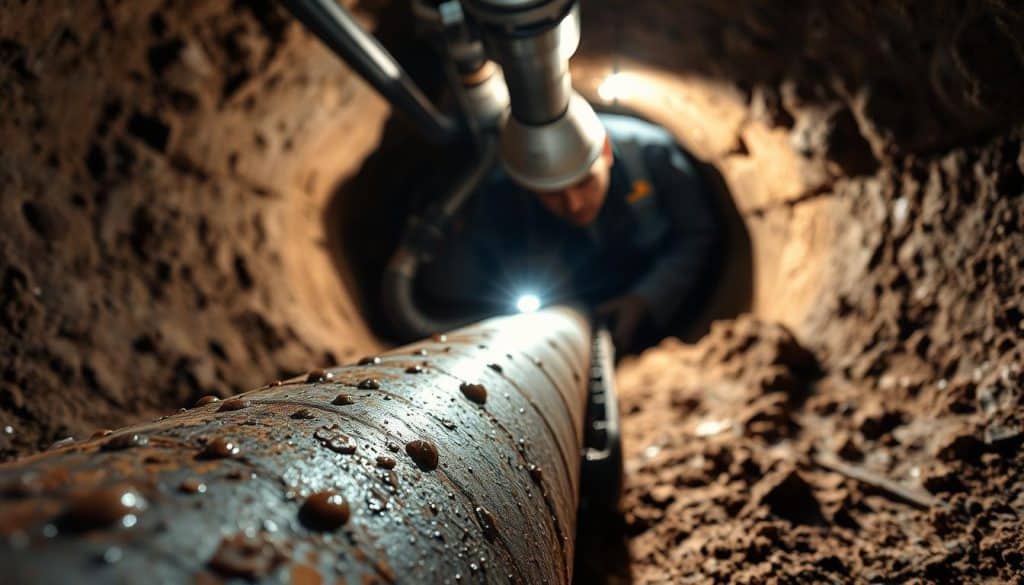
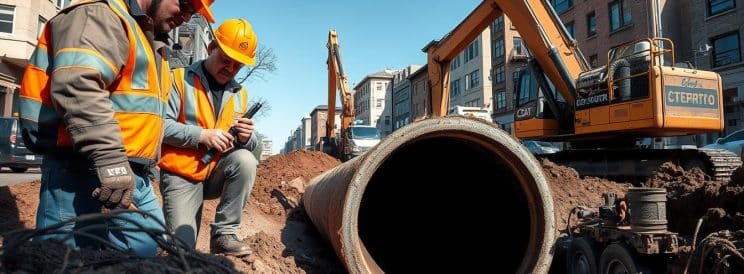
Digging and excavation to access the damaged line
This phase often requires trenching through yards, driveways, or parkways. Excavation and digging let crews expose the affected area so old material can be removed safely.
Installing new pipes and reconnecting the system
We remove the degraded sections and set new pipes to restore full function. Technicians reconnect lateral lines and test flow to confirm the line is sound before backfilling.
Site restoration, landscaping, and infrastructure repair
After installation, the visible work begins. Restoring landscaping, concrete, or pavers can add time and costs to the project, but it protects safety and long-term drainage.
- When chosen: this traditional approach is the big fix for severely compromised runs.
- Realities: excavation and digging are labor-intensive and extend the schedule.
- Costs: equipment, hauling old material, labor, and restoration raise total project costs.
- Outcome: a new, predictable line that often justifies the disruption when conditions demand a full replacement.
We support Chicago homeowners with clear timelines, transparent estimates, and dependable scheduling so your property returns to normal as smoothly as possible.
Cost, Time, and Disruption Differences Homeowners Notice Most
When a line needs attention, the practical questions are simple: what will it cost, how long will it take, and how disruptive will it be?
We break down upfront price versus total project cost so you can compare bids fairly. An initial quote may look low until excavation and property restoration are added. That extra work often raises the final bill.
Time matters. In-place fixes can return systems to service quickly, sometimes within hours. Full dig work usually takes longer because trenching, installation, and restoration add days or weeks.
- Upfront vs total cost: include excavation and landscape repair when comparing estimates.
- Project timeline: faster fixes reduce active work time and inconvenience.
- Disruption factors: trenching, concrete slabs, retaining walls, and driveways drive restoration costs and time.
In dense Chicago neighborhoods, excavation can also affect alley access, parking, and traffic flow. We emphasize transparency and planning so your place and schedule stay protected. Choose the approach that fits your systems and property constraints—not just the lowest number.
Durability, Service Life, and Long-Term Value
We compare how each repair method delivers lasting protection, and what that means for your home’s future maintenance and confidence.
How an in-place liner extends service life
A seamless liner forms a consistent interior barrier that resists corrosion, cracks, and leaks. That added layer can extend a run’s service life by many years and reduce repeat repairs.
When new material offers a true fresh start
Installing new sections gives a predictable, long-term solution when older pipe material is failing. A full renewal often lowers root entry risk and simplifies future upkeep.
Monitoring and maintenance expectations
Both approaches benefit from routine attention. We recommend a video inspection about every two years, or annually for heavy-use or older systems.
- Fewer surprises: durable work means fewer backups and less frequent repair calls.
- Planned maintenance: scheduled inspections protect life and value over the years.
- Right choice matters: picking the proper method now reduces repeat disruption later.
We stand by long-term protection, not short-term patches. As a family-owned team serving Chicago, we guide you to the option that protects your property and delivers the best life for your plumbing investment.
When Relining Is the Best Solution and When Replacement Is Necessary
Picking the proper approach depends on how much of the line is intact and how the damage behaves. We aim to find a plan that protects your home, limits disruption, and avoids repeat work.
Ideal candidates for repair in place
We often recommend an in-place repair method when damage is localized. Small cracks, root intrusion, and aging sewer lines that keep their alignment are strong candidates.
Red flags that call for full renewal
Some situations need a full replacement. If a section is severely damaged, badly deformed, or collapsed, a liner cannot restore structural integrity safely.
How video inspection decides the plan
We use CCTV to confirm the exact condition and location of a damaged pipe. The camera shows whether the run holds shape, the extent of root intrusion, and where repairs in place are feasible.
- Best fit checklist: localized defects, intact alignment, and limited cracking make in-place repair a smart choice.
- Replacement triggers: collapse, major deformation, or sections where material is crumbling require removal and new material.
- Inspection matters: a professional video exam moves you from guesswork to a confident plan that protects your home long-term.
We stand ready to inspect your system, explain the findings in plain terms, and recommend the repair method that meets your needs and reduces future risk.
Environmental Impact and Community Considerations
Choosing the right fix affects more than your bill; it shapes neighborhood impact and resource use.
Preserving existing runs can cut material demand and reduce waste. When the structure supports rehab, keeping the original sections lowers the need for new materials and saves on hauling old material away.
How in-place work reduces waste and resource use
Less digging often means less disturbance to green areas and a smaller carbon cost from trucks and deliveries.
We favor an approach that conserves materials and limits waste when it meets structural needs.
Why excavation can increase area disruption
Full digs require heavy excavation, more new materials, and extensive restoration. That adds noise, truck traffic, and site disruption for neighbors and managers.
- Simple view: less digging = less waste and fewer hauled loads.
- Community impact: excavation can block access, affect parking, and slow nearby systems.
- Balanced choice: sometimes full renewal is the right approach for failing runs, despite a larger footprint.
We assess each job with care, advising the option that protects your property, reduces materials use, and respects your Chicago area community.
Conclusion
Deciding the right path starts with a clear inspection and an honest read of your home’s condition. We help you weigh the core factors—damage, budget, and acceptable disruption—so you choose a plumbing solution that fits.
Costs, time, and long-term maintenance matter. A focused exam removes guesswork and points to the correct option for your pipe and system. Regular checks cut emergency repairs and protect value.
When you need help, you’re not alone. J Sewer & Drain Plumbing Inc. is family-owned, two-generation, established 2017. We treat every customer like family and serve Chicago, IL and nearby areas.
Contact: Phone (773) 231-8869 | Email [email protected]. Hours: Monday–Saturday: 24 hours open.
Locations: 3343 N Monticello Ave, 3017 N Elston Ave, Chicago, IL; 809 Ridge Rd, Wilmette, IL.
FAQ
What are the most common causes of damage to Chicago sewer lines?
Corrosion from old cast-iron, gradual wear, ground shifting, and invasive tree roots top the list in Chicago. Heavy traffic loads, freeze-thaw cycles, and decades-old clay or clay-tile systems also contribute to cracks, offsets, and joint failure.
How do we decide between repairing in place and doing a full replacement?
We base the choice on a video inspection, the extent of structural damage, and site constraints. If the pipe has localized cracks or root intrusion but retains structural integrity, repair in place is often practical. If it’s collapsed, severely crushed, or extensively compromised, a full replacement with excavation is usually necessary.
What does a camera inspection reveal, and why is it essential?
A CCTV drain camera shows pipe alignment, joint separation, root intrusion, corrosion, and exact failure locations. It lets us recommend the least disruptive, most cost-effective solution while avoiding guesswork and unnecessary digging.
How does a repair in place create a new flow path inside an existing line?
Technicians clean the line, then install a resin-saturated felt or epoxy liner that’s inflated to conform to the host pipe. After curing, that liner forms a seamless, corrosion-resistant interior barrier that restores hydraulic capacity and seals cracks.
When is excavation and full pipe replacement the right approach?
Replacement is best when the main line is collapsed, severely sagged, missing large sections, or misaligned beyond repair. Properties with repeated failures, poor soil conditions, or older utilities requiring regrading may also need full replacement for long-term reliability.
How disruptive is each method to my property and daily routine?
In-place repairs minimize digging, so landscaping, driveways, and concrete remain largely intact. Full replacement requires trenches, heavy equipment, and site restoration, which can disrupt access, landscaping, and traffic for several days to weeks depending on scope.
What should homeowners expect for timelines and getting lines back in service?
Smaller repair-in-place projects can often finish in a day or two, with the line returned to service quickly after curing. Replacement projects may take several days to a few weeks, accounting for excavation, pipe installation, backfill, and surface restoration.
How do costs compare between in-place repair and full replacement?
Upfront costs for in-place work tend to be lower because they avoid excavation and major restoration. However, when damage is extensive, replacement can be more cost-effective long term. We provide transparent estimates showing trade-offs in materials, labor, and restoration costs.
What materials do we use for liners and new pipe installations?
For liners, we use industry-standard resin systems and high-strength felt or epoxy materials selected for compatibility with your existing line. For replacements, we install durable materials like PVC or HDPE where appropriate, chosen for longevity and soil conditions.
How long will a repaired or replaced line last?
A properly installed liner can last decades, resisting corrosion and roots when the host pipe remains structurally sound. New replacement pipe provides a fresh start and long service life, often several decades depending on material and installation quality.
Will tree roots come back after a repair in place?
A seamless interior liner eliminates entry points for roots at cracks and joints, greatly reducing regrowth. Ongoing landscape management and root barriers can help prevent future intrusion for properties with aggressive root systems.
How do we handle restoration after excavation in Chicago neighborhoods?
We follow best practices for backfill, compaction, and surface repair to restore concrete, driveways, and turf. In busy Chicago areas, we coordinate traffic control, permits, and neighbor communication to minimize impact.
How does environmental impact differ between the two approaches?
Repair in place conserves materials and reduces waste by preserving the existing line, so it often has a smaller environmental footprint. Replacement uses more new material and generates excavation waste, but it can be necessary for long-term system integrity.
What signs should prompt a homeowner to call for an inspection?
Slow drains, recurring backups, foul odors, unusual lawn wet spots, or soggy patches near utilities are red flags. We recommend a prompt camera inspection to diagnose the issue before damage worsens.
Why choose J Sewer & Drain Plumbing Inc. for this work in Chicago?
We combine local experience with modern video diagnostics and proven installation methods. We prioritize transparent estimates, family-style care, and durable results tailored to Chicago’s soil and infrastructure conditions.