Have you ever wondered why some blockages return again and again, no matter what you try?
We are J Sewer & Drain Plumbing Inc., a family-owned, two-generation team serving Chicago and nearby areas since 2017. We treat every customer like family and focus on clear, honest answers for your drains and sewer system.
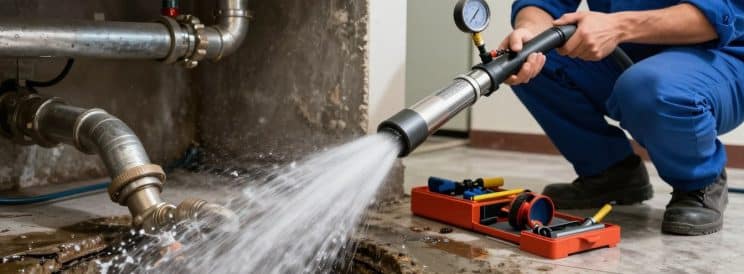
Hydro jetting plumbing is a powerful, professional option we use to restore flow fast. It uses high-pressure water to scour pipe interiors, not just poke a hole through a clog. That means more thorough cleaning and longer-lasting results.
We pair this approach with camera evaluation to pick the right pressure and protect your pipes. We are available Monday to Saturday, 24 hours Open for urgent needs and planning. Reach us at (773) 231-8869 or [email protected].
Key Takeaways
- We use high-pressure water to remove buildup and restore flow effectively.
- J Sewer & Drain Plumbing Inc. is family-owned and locally trusted in Chicago.
- Camera checks guide the right pressure and protect your system.
- Available Monday–Saturday, 24 hours open; call (773) 231-8869 for service.
- Locations on Monticello Ave, Elston Ave, and Wilmette mean faster scheduling
What Is Hydro Jetting and How High-Pressure Water Jetting Works
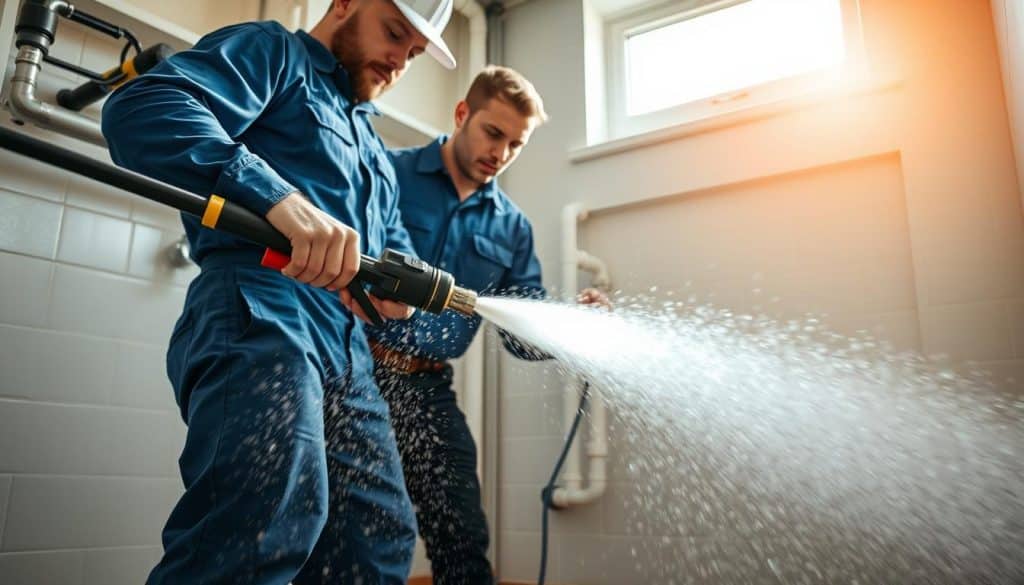
We use a professional jetter machine to send high-pressure water through drains and sewer lines to break apart clogs and wash away buildup. This method cleans the full pipe diameter, not just the center, so results last longer and reduce repeat backups.
How the equipment creates pressurized water
A typical jetter includes a water tank, a motorized pump, a long hose, and a specialized nozzle. The pump pressurizes the water to roughly 3,500–4,000 psi so it can cut through grease, scale, and compacted debris.
Nozzles, hose direction, and scouring action
Nozzles shoot jets forward to attack a clog and backward to propel the hose. That backward spray scrubs pipe walls as the hose advances, delivering a power-wash style cleaning inside the line.
- Where it works: kitchen drains, main lines, and sewer lines with recurring buildup.
- Why it matters: scoured walls hold less grease and residue, lowering future clogs.
- Professional control: we adjust pressure and use video inspection to target the right area and confirm results.
Why Hydro Jetting Plumbing Is Used for Stubborn Clogs and Sewer Line Cleaning
Stubborn blockages often need more than a quick fix — they require a thorough clean that removes buildup, not just opens a path.
Common targets include grease and sludge, wipes, silt and sand, hair, and mineral scale that narrows a pipe over time.
Tree roots and root intrusion: roots enter at joints or damaged sections and trap debris. When the pipe is structurally sound, water jetting can cut and wash away roots to restore flow.
Hydro jetting vs. snaking: a snake may bore a hole through a clog, but residue often stays on the walls. Hydro jetting flushes the full interior diameter, leaving less residue and reducing repeat clogs.
- Home benefits: fewer recurring clogs and longer intervals between services.
- Business and restaurant benefits: removes heavy grease buildup to protect operations and sanitation.
- Sewer line outcomes: improved flow, less lingering buildup, and clearer passage for sewage away from your property.
We evaluate each line before we use hydro jetting to set the right pressure and confirm the pipe can handle the process. That keeps results effective and safe for your system.
How to Prepare for a Hydro Jetting Service in Chicago
Before we arrive, a few simple steps can help us locate and fix stubborn blockages faster. Note which sinks, toilets, or floor drains show slow flow. Track how often backups happen and whether issues follow heavy use or storms.

Spotting warning signs
Watch for:
- Slow drains or multiple drains backing up
- Recurring clogs that return after clearing
- Overflows or frequent backups during high use
Why a video inspection comes first
We start with a video inspection to pinpoint the clog, check for tree roots, and assess pipe condition. That inspection tells us if the line can safely handle high-pressure water or if a different approach is safer.
When a plumber may snake the line first
If dense roots or compacted material appear, our plumber may snake the line before we use high-pressure equipment. This step breaks the mass into pieces and lowers risk during cleaning.
Give us access to a cleanout or utility space and clear the area near the main line. That helps the appointment stay efficient and respectful of your home.
The Step-by-Step Hydro Jetting Process Plumbers Use
Our crew starts every service by locating the best access point so cleaning targets the exact problem area. We most often open the cleanout to insert the hose and position the nozzle for the affected run.
Choosing the right nozzle
We select a nozzle that matches your drain size and the clog type. The right tip directs pressurized water where it will break up compacted debris without overloading the pipe.
Running the jet and flushing the line
With equipment set, we run the jetter to cut and push debris downstream. That action flushes the sewer line and restores normal flow while scouring the pipe walls.
Verification and final inspection
After cleaning, we perform a follow-up video inspection to confirm the full pipe diameter is clear. This post-jet check proves the cleaning worked and reduces repeat problems.
- Access: cleanout entry and setup.
- Nozzle: match to drain and clog.
- Jet: run with controlled pressurized water.
- Clean: scour full diameter, remove residue.
- Inspect: video verification for quality.
Safety, Pipe Condition, and When Hydro Jetting Is Not the Right Solution
Before we reach for high-pressure equipment, we check whether the line can safely handle it.
When we do not recommend hydro jetting: if a pipe is broken, collapsed, severely deteriorated, or otherwise fragile, high pressure can worsen cracks and collapse the line.
Why a full inspection matters: our camera inspection shows pipe condition and joints. That step guides safe choices and prevents compounding issues.

Risks of DIY work
Untrained attempts can harm pipes, create backflow, or cause injury from uncontrolled pressure. Improper nozzle use and poor access points raise repair costs.
Professional standards and alternatives
Our plumbers set pressure correctly, pick the right nozzle, and use safe access to protect your property. If jetting is unsafe, we recommend targeted repairs or safer cleaning methods to resolve blockages without risking the entire sewer system.
Eco-friendly value
Water-based cleaning often replaces harsh chemicals, reducing exposure in your home and limiting environmental impact if leaks exist. We prioritize long-term pipe care over one-size-fits-all fixes.
- Inspect first
- Choose safe alternatives when needed
- Trust trained plumbers for pressurized water work
Conclusion
Solving persistent clogs starts with the right diagnosis and a method that cleans the whole line. We pair video inspection with professional hydro jetting and water jetting when it makes sense, so your sewer lines and drains get a lasting result.
We put safety first, choosing the best approach for your pipes and avoiding high-pressure work on damaged lines. The benefits include cleaner pipe walls, improved flow, and fewer repeat clogs.
Call J Sewer & Drain Plumbing Inc. at (773) 231-8869 or email [email protected] for honest advice or fast service. Monday–Saturday, 24 hours Open. Locations: 3343 N Monticello Ave, 3017 N Elston Ave, and 809 Ridge Rd, Wilmette.
FAQ
What is hydro jetting and how does high-pressure water jetting work?
Hydro jetting is a professional drain cleaning method that uses a machine to force pressurized water through pipes, scouring the interior walls to remove grease, sludge, scale, and other buildup. The jetter raises water pressure to the proper range (commonly several thousand psi) and sends it through a specialized hose and nozzle. The nozzle directs high-velocity water backward to propel the hose while forward-facing jets cut and flush debris, leaving the full pipe diameter clean.
What types of blockages can this service remove?
This method clears tough blockages like grease and fat, accumulated sludge, flushable wipes, hair, silt and sand, and mineral scale. It’s also effective at dislodging compacted debris in kitchen drains, main sewer lines, and commercial systems that face heavy buildup, helping restore normal flow without relying on repeated chemical treatments.
Can it remove tree roots from sewer lines?
Yes. Specialized nozzles and high-pressure streams can cut through small to moderate root intrusions and flush the pieces downstream. Larger root masses or roots that have grown into cracked pipe sections may require repair or replacement, so we always follow up with a video inspection to assess pipe integrity after cutting roots.
How does this compare to traditional snaking (augering)?
An auger breaks through a blockage at one point, which can allow partial flow but often leaves residue on the pipe walls. High-pressure water cleaning removes build-up from the entire circumference of the pipe, reducing the chance of recurring clogs and improving long-term flow. In some cases, we snake first to create a path, then run the pressurized cleaning to finish the job safely and effectively.
How should we prepare our home or business for a service in Chicago?
Look for warning signs—slow drains, recurring backups, gurgling, or sewer smells—and call us for an assessment. We start with a video inspection to locate the clog and evaluate pipe condition. Please clear the work area around the cleanout or access point and avoid using water just before the tech arrives so we can get accurate inspection results.
What is the step-by-step process your technicians follow?
First, we perform a video inspection to locate the issue and check pipe condition. Next, we access the line through the cleanout. If needed, we may use an auger to open a path. Then we select the correct nozzle and run pressurized water through the hose to break up debris and scour the pipe walls. After jetting, we flush and perform a follow-up video inspection to confirm the line is clear and the pipes are sound.
Are there risks to my pipes, and when is this not recommended?
High-pressure cleaning is safe for sound, modern sewer lines made of cast iron, PVC, or clay in good condition. It is not recommended for broken, collapsed, or severely deteriorated pipes, or for vulnerable older materials where the pressure could cause further damage. We always inspect first and will recommend alternative repairs when jetting isn’t the right option.
Is this safe to try as a DIY project?
No. The equipment operates at very high pressures and requires trained operators to choose proper nozzles, set pressure levels, and manage hose control. DIY attempts risk personal injury and pipe damage. This is a professional-only service that we perform using industry-grade machines and safety protocols.
Does the process use harsh chemicals and is it eco-friendly?
The cleaning action relies on pressurized water, not caustic chemicals, so it’s an eco-friendlier way to remove buildup and roots. That reduces chemical runoff and is safer for landscaping and local sewer systems while delivering fast, effective results.
How long does the service usually take and when will we see results?
Most residential jobs are completed in a few hours, including inspection and follow-up video. You’ll usually notice improved flow immediately after we finish. Larger commercial or severely blocked lines may take longer, and we’ll provide a time estimate when we assess the situation on-site.
Why is video inspection part of the service?
Video inspection lets us pinpoint the clog, confirm pipe material and condition, and document the results after cleaning. It ensures we choose the right approach, avoid making hidden damage worse, and verify that the entire pipe diameter is clear when the job is done.
Do you offer this service in Chicago and surrounding areas?
Yes. J Sewer & Drain Plumbing Inc. provides professional high-pressure sewer and drain cleaning throughout Chicago and nearby communities. We combine family values, transparent pricing, and expert technicians to protect your home or business from costly backups and recurring clogs.