
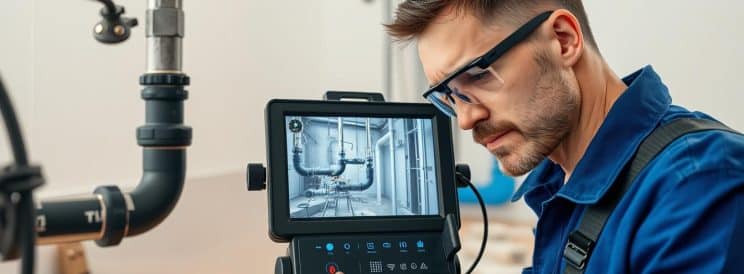
Curious whether a pipe check will eat your whole day or finish before dinner? How long does a typical camera inspection take? We answer that question up front so you can plan with confidence.
At J Sewer & Drain Plumbing Inc., we are a family-owned, two-generation team founded in 2017. We treat every customer like family and focus on evidence, not guesswork. Our service area covers Chicago, IL and nearby areas, and we are available Monday to Saturday: 24 hours Open.
For most residential jobs, a straightforward video pipe review runs around an hour. Many standard inspections fall between 30 minutes and a couple of hours, depending on layout, access, obstructions, and the overall condition of your sewer and drain system.
We protect your home by keeping the process efficient and minimally disruptive. To schedule or ask questions, call (773) 231-8869 or email [email protected]. Offices: 3343 N Monticello Ave, 3017 N Elston Ave, Chicago, IL; 809 Ridge Rd, Wilmette, IL.
Key Takeaways
- Straightforward residential checks often finish in about an hour.
- Complex layouts or obstructions can extend the time to a few hours.
- We are family-owned, serving Chicago and nearby areas with care.
- Available Monday–Saturday, 24 hours open for flexible scheduling.
- Call (773) 231-8869 or email [email protected] to connect.
What a sewer camera inspection is and why homeowners schedule one
A direct look inside your lines removes mystery and helps us protect your landscaping and floors.
At J Sewer & Drain Plumbing Inc., we use a small, high-resolution camera on a flexible rod to view the inside of sewer and drain lines. The video feeds back in real time so you see what we see.
Video inspections evaluate pipes without tearing up yards or floors. That means faster answers and less disruption for your family or tenants.
- Common findings: root intrusion, grease and scale buildup, sediment and corrosion.
- Broken joints, cracks, and blockages that cause recurring backups.
- Exact location and severity, so repairs are targeted and clear.
When you call us in Chicago, we prioritize transparency. A clear diagnosis reduces guesswork and prevents unnecessary digging. That protects your property and helps you choose the right fix, not just the first guess.
How long does a typical camera inspection take?
We know your schedule matters, so we give clear time expectations for an in-line pipe review in Chicago. Most residential jobs finish near the one-hour mark, which helps you plan around work, tenants, or family needs.
The typical time range for a residential inspection in Chicago
For many homes, an inspection runs between 30 minutes and a couple of hours. When entry is simple and lines are accessible, the process moves quickly while we view live footage.
Why many inspections take about an hour
Once we open a cleanout, the camera travels the line efficiently. Real-time viewing lets us spot issues without repeated passes, which saves time and keeps disruption low.
When the inspection can take longer than expected
Obstructions like roots, heavy grease, or collapsed sections slow progress and require careful navigation. That extra care ensures we don’t miss damage that would lead to wrong repairs.
How pipe length, layout, and access points affect total time
- Long runs or many bends add minutes as the reel feeds deeper.
- Older configurations and tight access points need careful setup.
- Clear cleanouts on your property speed the job and reduce disruption.
We serve Chicago, IL and nearby areas, and we’ll show you what we see so you can plan with confidence.
What happens during the camera inspection process from start to finish
We guide you through each step so you know what to expect, and we protect your home while we work. Our crew begins by choosing the safest, cleanest entry point.
Entry point setup
Technicians typically locate a cleanout or, when needed, remove a trap for safe access. We set up gear near the access point and explain each step in plain language.
Running the line and viewing live footage
A flexible camera travels the pipe while we watch live footage. This lets us spot changes in pipe condition as they happen and avoid repeated passes.
Pinpointing location and severity
We mark the exact location and depth of any issue. That clarity lets us recommend targeted options, not guesswork.
Review and next steps
We review findings with you, answer questions, and outline a clear plan for cleaning or repair. Our communication is transparent and family-focused.
- Deliverables: saved footage and a written summary
- Above-ground markings of problem spots
- Clear recommendations for repairs or next services
To schedule follow-up or ask about repairs, call J Sewer & Drain Plumbing Inc. at (773) 231-8869 or email [email protected].
Factors that can extend the inspection time and what they indicate
Extra time on the reel often tells us more than a quick pass ever could. It means something inside the line is restricting movement or view, and that additional care helps us document the issue fully.
Root intrusions and buildup that slow progress
Roots enter at joints and seams seeking moisture. A root mass can snag the cable and create repeat blockages that cause ongoing problems.
Grease and mineral buildup narrow pipes over time. That buildup slows water flow and can prevent the head from passing cleanly.
Collapsed, misaligned, or cracked lines
When we find offsets, cracks, or partial collapse, we move slowly to avoid worsening damage. Careful navigation helps us assess the true condition and spot hidden damage.
Documenting cracks matters because it shows whether repair or replacement is the right step, not just a temporary fix.
Heavy sediment and recurring blockages
Heavy sediment often signals deeper problems, especially in older lines or systems with poor pitch. Recurring blockages can mean the root cause lies beyond a single clog.
Identifying these signs during the review is the safest way to choose the right fix and reduce costly surprises later.
- What extra time gives you: precise location, clear footage, and a reliable plan.
- We protect your property and recommend targeted repairs, not guesses.
- Our goal: fix the problem, prevent repeat issues, and preserve your home.
How to prepare your property so the inspection goes faster
Simple steps you take today help us work faster and protect your property.
Avoid heavy water use before arrival
Stop major water use about two hours before our team arrives. Less flow means clearer footage and fewer false readings. Small, steady use is fine, but avoid laundry, dishwashing, and extra showers during that window.
Clear access to cleanouts and work areas
Remove obstacles near cleanouts, basement drains, and outdoor lids so our technicians can set up quickly.
Keep pathways clear and unlock utility areas. That reduces setup time and protects your flooring and landscaping.
Share prior repairs or recurring notes with technicians
Tell us about past repairs, recent remodeling, or patterns of backups. Those details help us target the most likely problem spots in your system and avoid unnecessary passes.
- Coordinate tenant access and leave keys or codes ready.
- Gather any repair receipts or photos to share on arrival.
- Tell us about odd smells, slow drains, or repeated clogs.
If you have questions before your appointment, call (773) 231-8869 or email [email protected]. We serve Chicago, IL and nearby areas and will guide you through simple prep that saves time and protects your property.
What to do after the inspection: choosing the right fix without overpaying
With recorded video evidence in hand, we help you pick smart, cost-effective solutions. Our goal is clear: match the remedy to the footage, not a sales pitch.
Matching the solution to the evidence
Use the video as proof so repairs align with real problems. That prevents unnecessary digging and keeps costs down.
When cleaning is enough vs. when sewer line repair is needed
Cleaning often fixes grease, scale, or sediment that restrict flow.
Repair is needed for cracks, offsets, active leaks, or advanced corrosion that threaten structure and function.
How targeted repairs protect your home long-term
Spot repairs limit yard or basement disruption and focus budget on the damaged segment.
This approach reduces repeat backups, water damage, and gives you lasting peace mind.
- Video-backed choices reduce guesswork and upsells.
- Cleaning solves buildup; repairs address structural faults.
- Targeted work avoids large-scale digging and saves time.
- Severe blockages may extend how long the inspection take and guide next steps.
We recommend proactive camera inspections for homes over 20 years old or lots with large trees. That helps spot corrosion, root intrusion, and early leaks before they escalate.
Conclusion
Seeing the issue on screen helps you choose the right repair with certainty.
Most residential inspection appointments finish near the one-hour mark, but layout, access to cleanouts, and obstructions can extend time. Video technology gives visual proof and a clear plan, so repairs target the exact problem inside your pipe and system.
Our plumbing team treats your home with care, explains findings in plain terms, and recommends only what the footage supports. We are family-owned, two generations strong, founded in 2017, and focused on community trust.
Schedule service today with J Sewer & Drain Plumbing Inc.: call (773) 231-8869 or email [email protected]. Monday to Saturday: 24 hours open. Service area: Chicago, IL and nearby areas.
Locations: 3343 N Monticello Ave, Chicago, IL 60618; 3017 N Elston Ave, Chicago, IL 60618; 809 Ridge Rd, Wilmette, IL 60091.
FAQ
What is a sewer camera inspection and why should homeowners schedule one?
A sewer camera inspection, also called video pipe inspection, uses a waterproof camera on a flexible cable to view the inside of your drain and sewer lines. Homeowners schedule it to diagnose recurring backups, locate leaks, spot root intrusion, check pipe condition before buying or selling, and avoid unnecessary digging during repairs.
What does “video pipe inspection” mean for my sewer and drain lines?
Video pipe inspection means real-time footage of your pipes, showing blockages, cracks, misalignment, corrosion, grease buildup, and foreign objects. The camera gives technicians clear visual evidence so we can recommend targeted cleaning or repairs with confidence.
What types of problems can the camera reveal inside pipes?
The system reveals tree roots, scale and grease, collapsed or broken sections, offset joints, bellies where sediment collects, and small leaks. That footage helps determine if a simple cleaning, localized repair, sectional replacement, or full-line replacement is needed.
How do camera inspections reduce guesswork and unnecessary digging?
By pinpointing the exact location and depth of an issue, video inspection avoids exploratory excavation. We can plan a precise repair, saving time, lowering costs, and minimizing disruption to landscaping and hardscapes.
What is the typical time range for a residential inspection in Chicago?
Most single-line residential inspections in the Chicago area take about 30 to 90 minutes from setup to review. Factors like pipe length, complexity, and blockages affect the final duration.
Why do many inspections take about an hour?
An average appointment includes locating the access point, running the camera through the main line, recording footage, and reviewing results with you. That workflow generally fits into an hour for straightforward systems.
When can the inspection take longer than expected?
Inspections extend when dense root masses, heavy grease, collapsed sections, or long lateral runs slow the camera or require careful navigation. Access complications and safety checks also add time.
How do pipe length, layout, and access points affect total time?
Longer lines and multiple laterals require more cable feed and review time. Tight bends, offset joints, or blocked cleanouts slow progress. Easy access through a clear cleanout shortens the process significantly.
What happens during the camera inspection process from start to finish?
We locate a cleanout or access the trap, set up equipment, run the camera through the line while recording, and note problem locations and severity. Afterward, we review footage with you and recommend a plan for cleaning or repair.
How is the entry point set up using a cleanout or trap?
Technicians open a cleanout or remove a trap cover, clear the entry area, and insert the camera cable with proper seals to protect the system. Good access lets us work faster and capture higher-quality footage.
What happens when the camera runs through the line and we view footage in real time?
As the camera advances, we watch live video on a monitor, pause to capture images, and mark problem locations. That real-time view lets us see root intrusion, cracks, and blockages as they appear.
How do technicians pinpoint location, depth, and severity of issues?
We use built-in footage markers and locating transmitters to map the problem relative to surface features. Depth and distance measurements help us estimate excavation points when needed.
What happens when findings are reviewed and a plan is provided?
We explain what the footage shows, outline repair or cleaning options, estimate costs, and recommend the least invasive solution that protects your home and budget.
What may I receive after the inspection?
You typically receive video clips and still images, a written report with marked locations, and our repair recommendations. Those records help with insurance, resale disclosure, and future maintenance planning.
Which factors can extend inspection time and what do they indicate?
Root intrusions, heavy grease and scale, collapsed or misaligned pipes, and thick sediment slow the camera and signal more serious issues. These conditions often point to recurring blockages or structural failure needing deeper repair.
How do root intrusions, grease, and scale buildup affect progress?
Dense roots and hardened grease can trap or slow the camera, require sectional cleaning, and increase inspection time. Their presence suggests ongoing maintenance or root removal followed by root inhibition treatment.
What do collapsed, misaligned, or cracked pipes require during inspection?
Damaged sections need careful navigation to avoid further harm to the camera and to document the extent of failure. That documentation guides choices between spot repairs, pipe lining, or full replacement.
How does heavy sediment and recurring blockages change the inspection?
Sediment and recurring clogs may obscure visibility and force repeated passes or pre-cleaning. They can be a sign of downstream issues or structural problems that need more comprehensive solutions.
How should I prepare my property so the inspection goes faster?
Avoid heavy water use before the appointment, clear access to basement drains and cleanouts, and move obstacles away from work areas. Sharing records of prior repairs helps our technicians plan efficiently.
Why avoid heavy water use before the appointment?
Dry lines improve camera visibility and reduce flow that could hide blockages. Low flow lets us see buildup and defects more clearly, speeding the inspection.
How does clearing access to cleanouts, basement drains, and work areas help?
Easy access reduces setup time and allows technicians to work safely. Clearing the area also protects your belongings and lets us complete the inspection sooner.
What should I tell technicians about prior repairs or recurring issues?
Share any past root treatments, pipe repairs, frequent backups, or structural work. That history helps us focus the inspection and recommend the most appropriate solution.
How do I choose the right fix after the inspection without overpaying?
Match the recommended repair to the documented problem. For example, routine blockages usually need cleaning, localized defects may need spot repair or lining, and structural failure could require replacement. We’ll explain cost-effective options that protect your home long-term.
When is cleaning enough versus when is sewer line repair needed?
Cleaning is enough when footage shows buildup, grease, or roots without structural damage. Repair or replacement is needed when pipes are cracked, collapsed, heavily misaligned, or repeatedly failing despite cleaning.
How do targeted repairs help protect my home and property long-term?
Targeted repairs minimize excavation, control costs, and address the root cause. Properly chosen fixes extend pipe life, reduce future backups, and preserve landscaping and hardscapes.
When should I schedule an inspection for older homes or properties with large trees?
We recommend inspection for older Chicago homes, properties with mature trees near sewer lines, recurring clogs, or any unexplained sewer smells. Regular checks catch problems early and prevent costly damage.
Who provides these services in Chicago and surrounding areas?
J Sewer & Drain Plumbing Inc. performs professional video pipe inspections and offers cleaning, repair, and replacement options tailored to your home, with clear reports and caring service.