
Curious how a single pipe failure can halt an entire business and cost hours of revenue? Or been asking what is commercial plumbing?
We answer that concern clearly. Commercial plumbing covers the specialized work that keeps large buildings running under heavy daily use. These systems carry more fixtures, more demand, and tighter compliance than typical home setups.
J Sewer & Drain Plumbing Inc. is a trusted, family-owned, two-generation team in Chicago since 2017. We treat every customer like family and bring a passion for plumbing to every job.
Our local service area includes Chicago, IL and nearby communities. We operate Monday to Saturday, 24 hours open for urgent needs. Call (773) 231-8869 or email [email protected] for guidance.
Offices: 3343 N Monticello Ave, 3017 N Elston Ave, Chicago, IL; 809 Ridge Rd, Wilmette, IL. We make complex systems simple, so you can spot risks early and plan service before problems disrupt staff and customers.
Key Takeaways
- Commercial plumbing supports larger, higher-use buildings and demands precise care.
- Correct installation and maintenance reduce downtime and protect revenue.
- J Sewer & Drain Plumbing Inc. offers local, family-led service in Chicago and nearby areas.
- We are available Monday–Saturday, 24 hours for urgent needs and advice.
- Contact us at (773) 231-8869 or [email protected] for help with your system.
Commercial plumbing explained for beginners
When a restroom or kitchen stops serving people, operations stall and costs climb quickly. We explain these systems in plain terms so you can spot risks early and plan service with confidence.
What these systems cover in modern buildings
Commercial plumbing covers design, installation, repair, and maintenance of plumbing systems built for high-use, multi-use buildings. That includes water supply and distribution, drainage and waste, gas lines, stormwater controls, and backflow prevention.
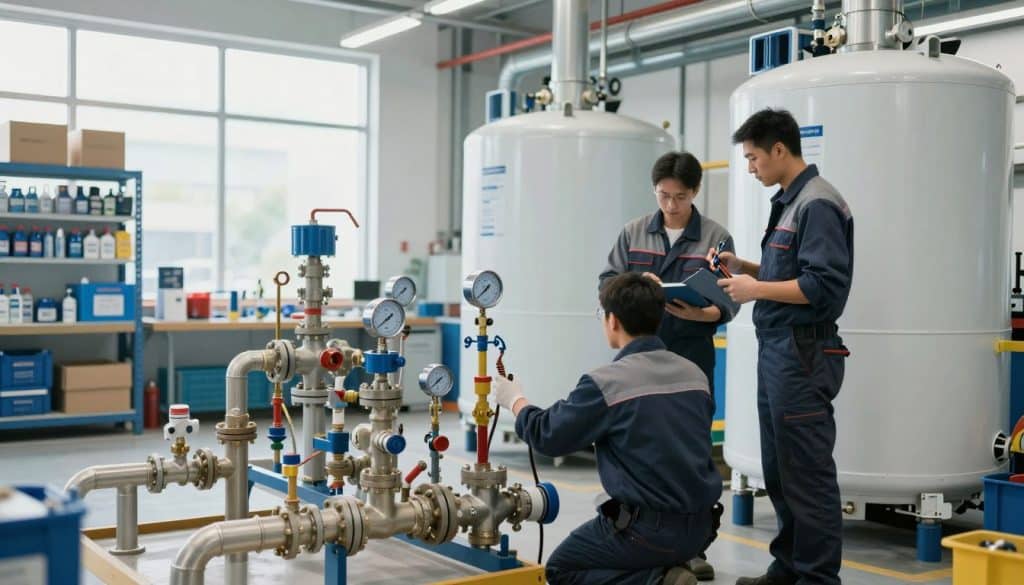
Modern buildings combine restrooms, kitchens, mechanical rooms, and specialty equipment that must work together. Coordinated systems reduce recurring issues and meet stricter codes.
Examples of properties that need service
- Offices and retail spaces
- Restaurants and hotels
- Schools, medical facilities, and large multi-unit properties
Why work here carries higher stakes for businesses
Higher daily usage accelerates wear and can create urgent problems like leaks, backups, or hot-water failures. These failures can shut down operations, cause sanitation concerns, and lead to costly damage.
Safety matters: protecting potable water, preventing slips from flooding, and avoiding contamination in public areas keeps clients and staff safe. In Chicago, IL and nearby areas, we guide property owners and managers from beginner questions to service decisions.
What is commercial plumbing
A single design choice can make the difference between steady operations and constant emergency calls. Here we define a purpose-built plumbing system that supports reliable water supply, safe waste removal, and steady performance under heavy demand.
The core purpose of these systems
The main goal is simple: deliver clean water where staff and customers need it, then move waste away quickly and safely. Smart separation, vents, and controls protect public health and limit contamination.
How scale, usage, and complexity shape design
Larger buildings add floors, longer runs of pipes, and many fixtures that run at once. That raises pressure, routing, and redundancy needs and changes material and installation requirements.
- Multiple restrooms and kitchens increase peak demand.
- Food service and high occupancy change waste loads and drain sizing.
- Proactive design and service cut emergency calls and long-term costs.
We help you plan and maintain systems so your Chicago, IL property stays open and safe. Better design and timely service keep operations running smoothly and reduce surprises.
Key components of commercial plumbing systems
Behind every open restroom or busy kitchen sits a group of essential systems designed for heavy use. We break these parts down so you can spot risk and plan service for your building.
Water supply and distribution across floors
Supply networks use pressure zones, pumps, and carefully sized pipes to keep consistent water flow to every fixture. Copper remains common for durability and code compliance in multi-floor layouts.
Drainage, waste removal, and high-volume management
High-volume waste from restrooms and kitchens needs correct slopes, vents, and larger drains to prevent backups and odors. Regular maintenance reduces clogs and costly downtime.
Backflow prevention and potable protection
Backflow devices protect drinking water from contamination when irrigation, boilers, or specialized equipment tie into a system. Testing and certified installs keep you code-compliant.
Water heaters, stormwater, and gas lines
Businesses often require large, high-efficiency water heaters with fast recovery for peak use. Stormwater systems keep foundations safe during heavy Chicago rains, while gas lines and specialty piping demand strict permits and safety checks.
- Systems are sized for demand, not guesswork.
- Proper pipe choices and routine checks protect operations.
- We focus on safe, code-aware work for Chicago-area properties.
Commercial plumbing vs. residential plumbing
Scale and daily load change how we design, install, and maintain piping systems in big properties.
Differences in scope, size, and daily demand
Large properties have many more fixtures and longer runs of pipe. That higher use raises wear, so design must match the building’s size and scope.
Layout complexity, pressure, and venting needs
Multi-floor layouts need pressure zones, pumps, and careful venting. Those extra controls meet stricter code requirements and keep flows steady during peak hours.
Fixtures, equipment, and durability
Commercial-grade fixtures and heavy-duty equipment resist constant use. They differ from home models in capacity and materials.
Clients, project management, and timelines
We coordinate with property managers, contractors, and facility teams. Projects take more time, phased work, and clear updates so daily operations stay open.
Maintenance, emergency response, and service agreements
Planned maintenance and service agreements cut downtime. Our plumbers treat emergencies with urgency because a single failure can affect many people.
- Clear communication with clients
- Longer project timelines and inspections
- Routine service to reduce costly downtime
Common commercial plumbing services you may need
Your facility runs smoothly when installation, ongoing maintenance, and rapid repairs work together. We outline the main services so you can match needs—new build, upkeep, or urgent response—to the right next step.
New installation and commercial construction work
We handle full installation packages for new construction, coordinating routing, tie-ins, and permits. Our team schedules with contractors to minimize disruption and size pipes and equipment for real-world demand.
Preventive maintenance programs to reduce downtime
Planned checks extend equipment life and catch small issues before they escalate. Regular service visits keep drains flowing, test backflow devices, and document system condition for owners.
Emergency repairs for leaks, clogs, and backups
Leaks and backups can stop operations fast. Our on-call plumber availability (Monday–Saturday, 24 hours Open) gives quick response across Chicago, IL and nearby areas to protect your schedule and property.
Inspections, diagnostics, and problem isolation
Complex buildings need staged testing and targeted isolation to find recurring problems. We use specialized equipment to diagnose faults and recommend focused repairs or upgrades.
- Work planned well controls costs.
- Right installation and routine maintenance reduce surprises.
- We bring family values and clear communication to every job.
Codes, permits, and safety requirements in the United States
Rules and permits shape every upgrade, repair, and new install for larger properties. Local, state, and national codes set a higher bar for public spaces so occupants stay healthy and operations remain steady.

Why codes are stricter for larger buildings
Codes are tougher because more people use fixtures and systems at once. Higher daily use raises risk, so standards focus on durability, redundancy, and clear documentation.
Permits, inspections, and health safeguards
Permits and inspections protect owners by verifying work meets minimum requirements for safety and reliability. Proper paperwork helps avoid fines and unexpected closures.
Health and sanitation rules for restaurants, schools, and hospitals emphasize prevention of contamination, safe hot water, and robust drainage to support hygiene.
ADA and accessible fixtures
Accessible fixture placement matters. ADA rules set heights, clearances, and controls so restrooms work for everyone. That planning affects layouts and project timelines.
Water efficiency and modern expectations
Efficiency standards, like EPA-aligned programs, encourage high-performance fixtures that cut water use while keeping service levels for busy facilities. Upgrades often save money and protect supply over time.
- We explain why stricter codes protect more people and reduce risk.
- Permits and inspections keep your building inspection-ready and compliant.
- ADA and water rules improve access and lower utility costs.
We prioritize safe, code-conscious work in Chicago-area properties and help you navigate compliance confidently. Our plumbers coordinate code-aware work so your system stays functional, inspection-ready, and reliable.
Materials, tools, and technology used by commercial plumbers
Durable materials and modern tools keep busy buildings open and safe under heavy daily demand.
Industrial-grade materials
We rely on strong metals like copper for many runs because it handles heat and pressure well. Durable fixtures and larger-diameter pipes last longer under heavy use.
Specialized equipment
Heavy-duty machines cut, join, and support large pipe work safely. Pro tools speed work, reduce mess, and lower the chance of repeat repairs.
Planning and coordination
CAD and BIM let us map routes, spot clashes, and plan penetrations before crews arrive. That coordination with contractors and facility teams keeps your system running and limits disruption.
- Better materials mean fewer failures and longer service life.
- Right equipment restores operations faster and cleaner.
- Smart planning reduces surprises during a project.
Common commercial plumbing problems and how maintenance prevents them
Small signs—slow drains, odd sounds, or pressure drops—often warn of deeper strain on your systems.
Recurring issues from high usage and wear
High usage produces recurring clogs, leaks, pressure fluctuations, and occasional backups tied to heavy waste loads. Fixtures and pipes used all day wear faster than in a home, so faults repeat more often.
How routine service keeps your business running
Routine maintenance catches early warning signs and prevents costly damage to floors, walls, and equipment. Scheduled inspections and targeted work reduce emergency calls, shorten downtime, and protect water quality across interconnected systems.
- Inspections and testing to spot leaks and pressure issues
- Drain cleaning strategies to reduce clogs and backups
- Targeted repairs based on real system behavior
We take a preventive approach because planned service costs less than surprise failures. If your building has recurring issues, we can design a maintenance rhythm that fits your schedule in Chicago, IL and nearby areas.

Conclusion
Planned checks and prompt repairs keep hot water, drains, and heaters working when you need them most. Commercial systems serve larger buildings and heavier daily use than most homes, so good installation and regular maintenance protect people, property, and business time.
We treat every client like family. As a two-generation, family-owned company since 2017, J Sewer & Drain Plumbing Inc. offers trusted plumbers across Chicago, IL and nearby areas.
Call (773) 231-8869 or email [email protected] to schedule service, maintenance, or a project review. Offices: 3343 N Monticello Ave, Chicago, IL 60618; 809 Ridge Rd, Wilmette, IL 60091; 3017 N Elston Ave, Chicago, IL 60618. Mon–Sat, 24 hours Open — we stand ready for planned work or urgent repairs.
FAQ
Understanding What is Commercial Plumbing? – J Sewer & Drain Plumbing
Commercial plumbing covers the design, installation, and maintenance of water, waste, and gas systems in business properties. At J Sewer & Drain Plumbing Inc., we focus on reliable supply, high-capacity drainage, backflow prevention, and commercial-grade equipment to keep buildings safe and operational.
Commercial plumbing explained for beginners
Commercial work differs from residential service by scale and demand. It includes larger pipes, higher pressure needs, specialized fixtures, and coordinated systems for multi-floor buildings. We explain options clearly and tailor solutions to each property’s usage and code requirements.
What commercial plumbing covers in modern commercial buildings?
Coverage includes water distribution, hot-water systems, drainage and sanitary sewers, stormwater management, gas piping, backflow assemblies, and preventive maintenance programs to protect business operations and health standards.
Examples of properties that need commercial plumbing services
Offices, retail centers, restaurants, hotels, schools, hospitals, manufacturing sites, and multi-family buildings all require commercial plumbing. Any facility with public restrooms, kitchens, or high hot-water demand benefits from commercial-grade systems and service.
Why commercial plumbing work is higher-stakes for businesses?
Interruptions cause lost revenue, safety risks, and reputational damage. Systems often serve many users at once, so failures escalate fast. We prioritize fast diagnostics, emergency response, and preventive maintenance to minimize downtime.
The core purpose of commercial plumbing systems
The core purpose is to deliver safe potable water, remove waste and stormwater efficiently, control pressure and temperature, and protect public health through compliant, durable installations.
How scale, usage, and complexity shape the plumbing system design?
Design depends on peak flow, occupancy, number of fixtures, vertical distribution, and equipment like boilers or rooftop units. We size pipes, choose materials, and plan layouts to handle real-world loads and future needs.
Water supply and distribution across multiple floors
Multi-floor distribution uses risers, pressure-regulating valves, booster pumps, and isolation zones. Proper planning prevents pressure loss and balances water delivery to all fixtures throughout the building.
Drainage, waste removal, and high-volume wastewater management
Commercial drainage uses larger drains, interceptor traps, grease removal units for kitchens, and dedicated sewer connections. We design systems to prevent backups and handle sustained high volumes.
Backflow prevention and protecting potable water
Backflow assemblies and air gaps keep contaminants out of the potable supply. We install, test, and certify backflow devices per local codes to safeguard water quality for occupants and clients.
Commercial water heaters and hot water demand
Commercial water heating requires larger tanks or high-capacity tankless systems, often with recirculation loops to maintain temperature at distant fixtures. We size and install heaters to meet peak demand efficiently.
Stormwater systems and flood prevention around buildings
Storm systems include roof drains, leaders, catch basins, and underground piping sized for local rainfall. Proper grading and drainage protect foundations, parking areas, and lower floors from flooding.
Gas lines and specialty piping in commercial projects
Commercial gas piping serves kitchens, boilers, and process equipment. Installations follow strict code, use approved materials, and require leak testing and certified workmanship to ensure safety.
Differences in scope, size, and daily usage demands
Commercial systems face higher fixture counts, continuous use, and variable loads. Materials and components are more robust, and planning accounts for business hours and peak service periods.
System layout complexity, pressure needs, and venting requirements
Layouts must manage flow paths, maintain adequate pressure, and ensure proper venting to avoid traps siphoning. Complex buildings often need CAD/BIM coordination and staged installation plans.
Fixtures and equipment differences in commercial settings vs homes
Commercial fixtures include sensor-operated faucets, heavy-duty toilets, grease interceptors, water softeners, and rooftop equipment. These items are chosen for durability, code compliance, and high-frequency use.
Client communication, project management, and longer timelines
Commercial jobs require clear timelines, permits, phased shutdowns, and coordination with contractors. We assign project managers to keep stakeholders informed and work around business operations.
Maintenance expectations, emergency response, and service agreements
Businesses benefit from scheduled preventive service, priority emergency response, and service contracts that define scope, inspection intervals, and response times to limit costly disruptions.
New installation and commercial construction plumbing
New installs start with code-compliant designs, material selection, and phased work to align with construction schedules. We coordinate with general contractors to deliver on time and on budget.
Preventive maintenance programs to reduce downtime
Regular inspections, drain cleaning, equipment tune-ups, and backflow testing prevent failures. Proactive service extends equipment life and reduces emergency calls.
Emergency repairs for leaks, clogs, and backups
We respond quickly to isolate problems, perform temporary measures if needed, and complete permanent repairs to restore full service while protecting property and business continuity.
Inspections, diagnostics, and problem isolation in complex systems
Advanced diagnostics use camera inspections, flow testing, and pressure analysis to pinpoint issues. Accurate isolation reduces repair scope and costs for building owners.
Why commercial plumbing codes are stricter than residential plumbing?
Codes are stricter because commercial buildings serve more people and present greater public-health risk. Compliance ensures sanitation, fire safety integration, and reliable operation under heavier use.
Health and sanitation requirements for restaurants, schools, and hospitals
These facilities demand specific grease control, trap seals, backflow prevention, and sanitary layouts. We design systems to meet health department and licensing standards.
ADA considerations for accessible plumbing fixtures
Accessible fixtures include correct heights, clearances, and controls. We install compliant sinks, toilets, and drinking fountains to meet ADA guidelines and local code.
Water efficiency standards and modern fixture expectations
Efficiency standards require low-flow fixtures, automatic controls, and efficient water heaters. Upgrading reduces utility costs and often complies with state or municipal mandates.
Industrial-grade pipe and fixture materials such as copper
Materials like copper, stainless steel, cast iron, and schedule 40/80 PVC are common in commercial work. Selection depends on chemical exposure, pressure, temperature, and longevity needs.
Specialized equipment for large pipes and heavy-duty systems
Commercial jobs use pipe threading machines, hydrostatic testers, video inspection cameras, and heavy winches. These tools allow safe handling and precise work on large systems.
Planning and coordination tools like CAD/BIM for complex buildings
CAD and BIM help map plumbing routes, avoid clashes with structural elements, and coordinate with electrical and HVAC teams. We use these tools to streamline installation and reduce rework.
Recurring issues from high usage, wear and tear, and system strain
High usage causes worn seals, clogged drains, scale buildup, and pump failures. Regular service and targeted replacements reduce the frequency of these problems.
How routine service helps avoid business disruption and property damage?
Routine service finds small issues early, prevents backups, improves efficiency, and extends equipment life. That lowers repair costs and keeps your business running smoothly.